Searching for geotextile woven fabric near me usually means one of two things. Either a project has already started and material is needed quickly, or a budget is being put together and somebody needs a realistic figure to work with. Both situations run into the same frustration: three quotes arrive for what appears to be the same product, and the difference between the highest and lowest is large enough to make you wonder whether you asked the right question in the first place.
You probably did ask the right question. The problem is that woven geotextile is not one product but a category, and the quote rarely tells you which member of that category you are looking at.
Why Quotes for the Same Product Vary So Much
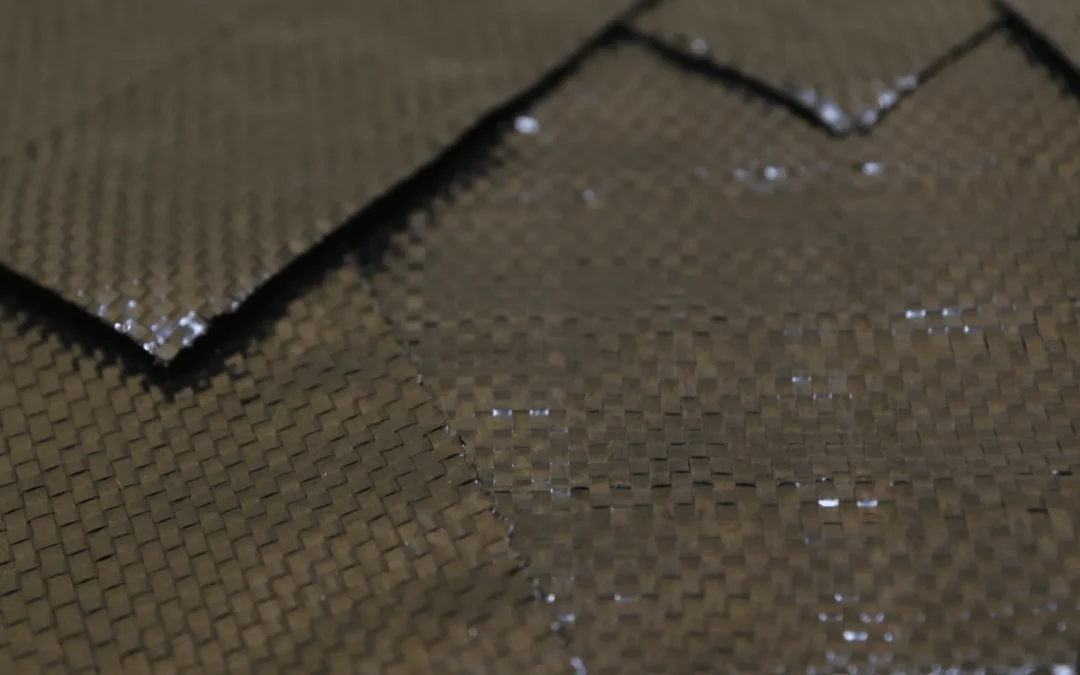
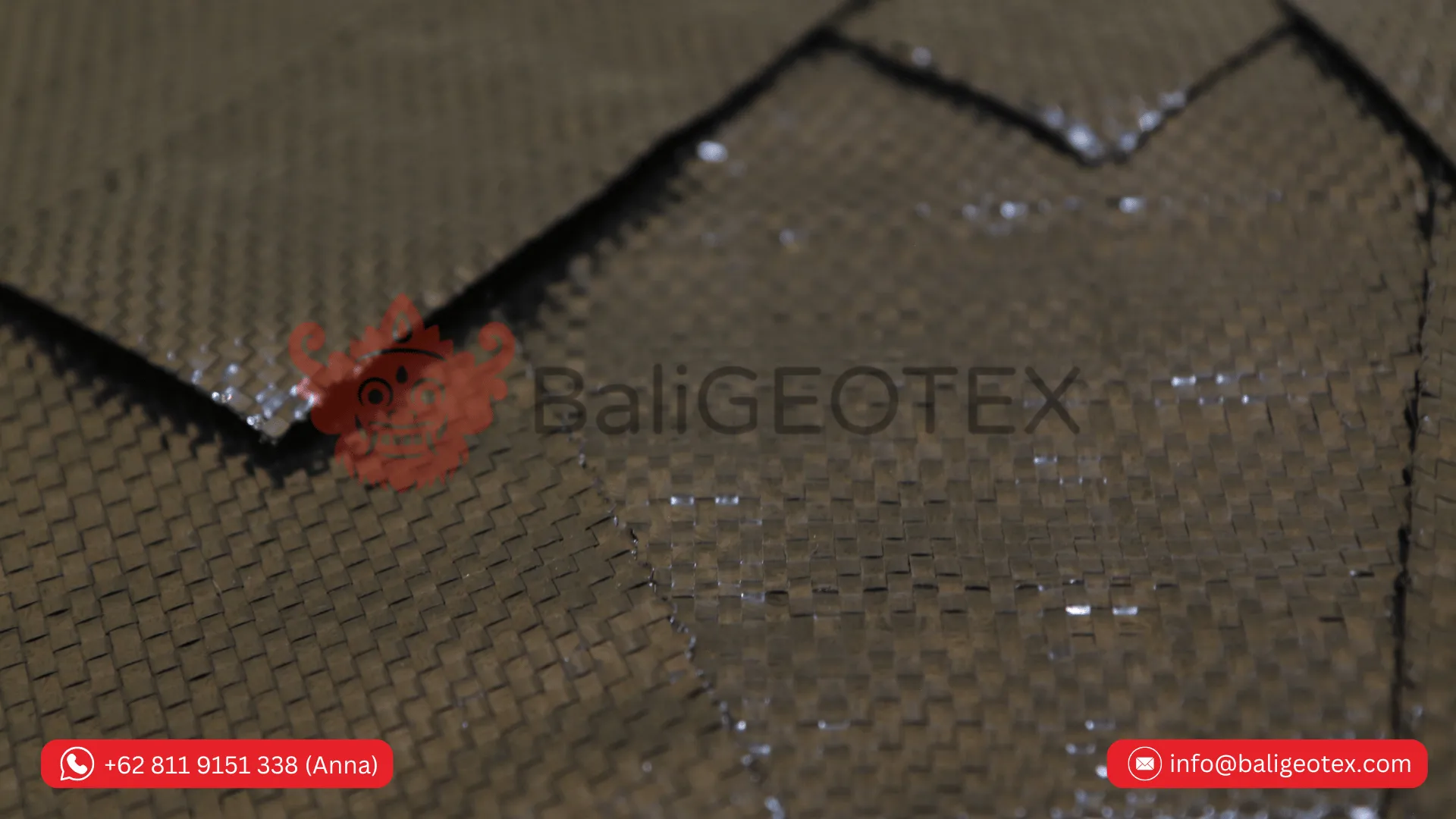
Woven geotextile covers a wide family of fabrics that share a construction method and very little else. They are all made by interlacing polypropylene tapes or yarns, but beyond that the differences are substantial. Two rolls sitting side by side in a warehouse, both correctly described as woven geotextile, can have tensile strengths that differ by a factor of three, and their prices will differ accordingly. This is why comparing quotes on price alone tells you almost nothing. Before the numbers mean anything, you need to know what each number is attached to.
What Determines Geotextile Woven Fabric Price
Fabric Weight and Tensile Strength
This is the largest single factor, and the two properties usually move together. Heavier fabric consumes more polymer per square meter, while higher tensile strength demands better raw material and tighter production control. A fabric intended for light separation duty beneath a pedestrian path and a fabric specified for reinforcement under a haul road carrying loaded trucks are both woven geotextile, and they belong in entirely different price brackets. If a quote arrives without a stated strength grade, there is nothing there to compare against anything else.
Raw Material Quality
Most woven geotextile is made from polypropylene tapes, and the proportion of virgin polymer relative to recycled content affects strength consistency, UV resistance, and long-term behavior in the ground. Recycled content is not automatically a problem for every application, but it should be something the supplier discloses rather than something you discover after installation.
UV Stabilization
This factor matters more than most buyers expect, because it depends on your installation schedule rather than on the fabric’s eventual function. Material without UV additives can lose a meaningful share of its strength after only a few weeks of direct sun, which is easily enough time for rolls to sit unrolled on site waiting for aggregate. If your programme leaves fabric exposed at all, this specification stops being optional and starts affecting the price.
Roll Width and Length
Roll dimensions influence cost in two directions at once. Wider rolls mean fewer seams and faster installation, but they also mean heavier rolls that need handling equipment on site. Width also determines how much material you throw away, since a roll width that does not suit your working area leaves offcuts you have paid for and cannot use.
Order Quantity and Lead Time
These behave much as you would expect, with larger orders reducing unit cost and urgent orders drawn from existing stock commanding a premium over material produced to schedule. This is precisely where the question of proximity stops being geographic and becomes financial.
Documentation and Freight
Testing and documentation carry a real cost that is easy to overlook. Test certificates, third-party verification, and compliance paperwork all add to production expense, and their absence is frequently what makes a surprisingly cheap quote possible in the first place. On public infrastructure work this documentation is usually mandatory anyway, so it belongs in the budget from the beginning rather than appearing later as an unwelcome extra.
The same applies to freight. Shipping, insurance, duties, and handling can represent a substantial share of landed cost on imported material, so a geotextile woven fabric price quoted ex-works may look considerably less attractive by the time the rolls reach site.
![Woven Geotextile BaliGEOTEX [1]](https://indonesiageotextilefabric.com/wp-content/uploads/2026/02/Woven-Geotextile-BaliGEOTEX_12_11zon.webp "Woven Geotextile BaliGEOTEX [1]")
How Quotes Are Calculated
Per Square Meter, Per Roll, or Per Kilogram
Woven geotextile is quoted in three different ways, and mixing them up is the most common source of confusion in procurement. Price per square meter is the most useful basis, because it relates directly to the area you actually need to cover. Price per roll is convenient for placing orders, but it only becomes comparable when roll dimensions are identical between suppliers, which they frequently are not. Price per kilogram is common at manufacturer level and deserves the most caution, because at the same figure per kilogram a lighter fabric covers more area than a heavier one. That makes it appear cheaper while delivering less strength, which is exactly the trap it looks like.
Converting Before You Compare
The practical approach is to convert everything to price per square meter at the same strength grade before comparing anything. Where a quote cannot be converted because the specification is missing, the right response is a question back to the supplier rather than a place in the comparison table.
Local Supplier or Direct Import?
When people search for geotextile woven fabric near me, they are usually weighing speed against cost without saying so out loud. Both routes are legitimate, and the better choice depends on the shape of the project rather than on any general rule.
When a Local Supplier Makes Sense
Buying nearby tends to work best when the project is already underway and material is needed within days, when quantities are modest enough that container-level shipping cannot be justified, or when specifications might still change and you need the flexibility to adjust. It also helps when your team has no appetite for managing import documentation, which is a real cost even when it never appears on an invoice.
When Buying Direct Makes Sense
Ordering straight from a manufacturer generally works better when volumes are large enough to fill a container, when the schedule leaves room for production and shipping time, and when specifications are fixed and well defined. It becomes the only sensible route when you need custom width, weight, or strength, or when test documentation has to come from the production source itself rather than from an intermediary.
Using Both
In practice many contractors run both routes at once. Direct import covers the bulk of a large project where the quantities justify it, while a local relationship handles contingency, late additions, and the inevitable areas that turn out larger than the drawings suggested.
What to Ask Before You Order
A short set of questions filters out most of the problems before they become expensive. Ask what the tensile strength is and by which test standard it was measured, what the fabric weighs in grams per square meter, and whether the material is UV stabilized and to what level.
Then confirm the roll width, length, and weight, whether a test certificate can be provided for the actual production batch, and whether the quoted figure is per square meter, per roll, or per kilogram. Finally, establish delivery terms, lead time, and minimum order quantity. Any supplier who cannot answer the first three questions should be treated with caution regardless of how attractive the price looks.
Warning Signs in a Cheap Quote
Some cheap quotes are genuinely good value, and it is worth knowing how to tell them apart from the rest. The clearest warning sign is a quote with no strength grade stated at all, because such a quote describes a category rather than a product. A price given only per kilogram deserves the same scepticism, since it can hide a lighter and weaker fabric behind an appealing unit figure. An unwillingness to provide test documentation should end the conversation outright for anything structural.
An unusually low price combined with immediate availability is more ambiguous, since it sometimes reflects genuine surplus stock and sometimes reflects material that has been sitting uncovered in a yard for months. A refused sample request settles the question fairly reliably, because a supplier confident in their material will send one without hesitation.
Conclusion
There is no single geotextile woven fabric price, because woven geotextile is not a single material. Strength grade, fabric weight, UV treatment, documentation, and delivery terms all move the figure, and a quote missing any of them cannot be compared in any meaningful way. The approach that works is to define the specification first, based on what the project genuinely requires, and then request quotes against that definition. Comparing three quotes for the same defined product is a straightforward exercise. Comparing three quotes for three unknown products is guesswork dressed up as procurement.
For urgent needs and modest quantities, a nearby supplier usually wins on total cost once downtime is counted properly. For planned work at volume, ordering directly from the manufacturer generally delivers better value and better documentation. For more information about Geotextile Woven please contact: Whatsapp/Mobile Phone: +62 8173 91338 (Ms. Agnes) or Email : info@baligeotex.com