Geotextile fabric has served Australian builders, landscapers, and home gardeners well for decades. This synthetic material separates soil layers, blocks weeds, and lets water drain through. Even so, many people now ask why to use instead of geotextile fabric Australia. Worries about microplastics, price, and sustainability drive that question across the country.
What Does Geotextile Fabric Actually Do?
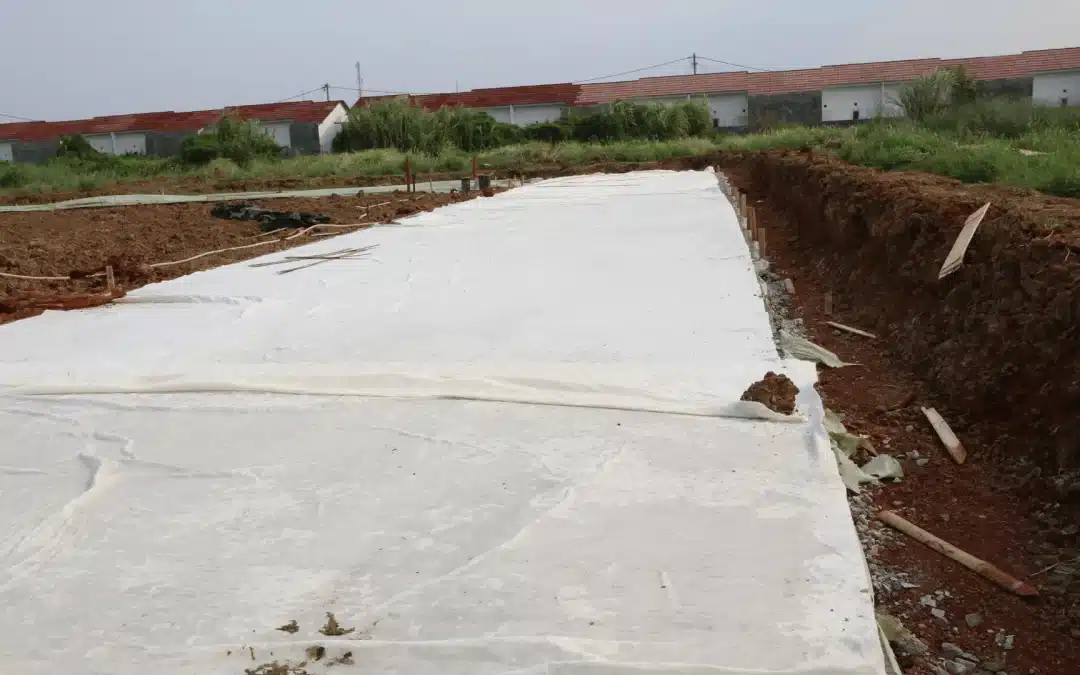
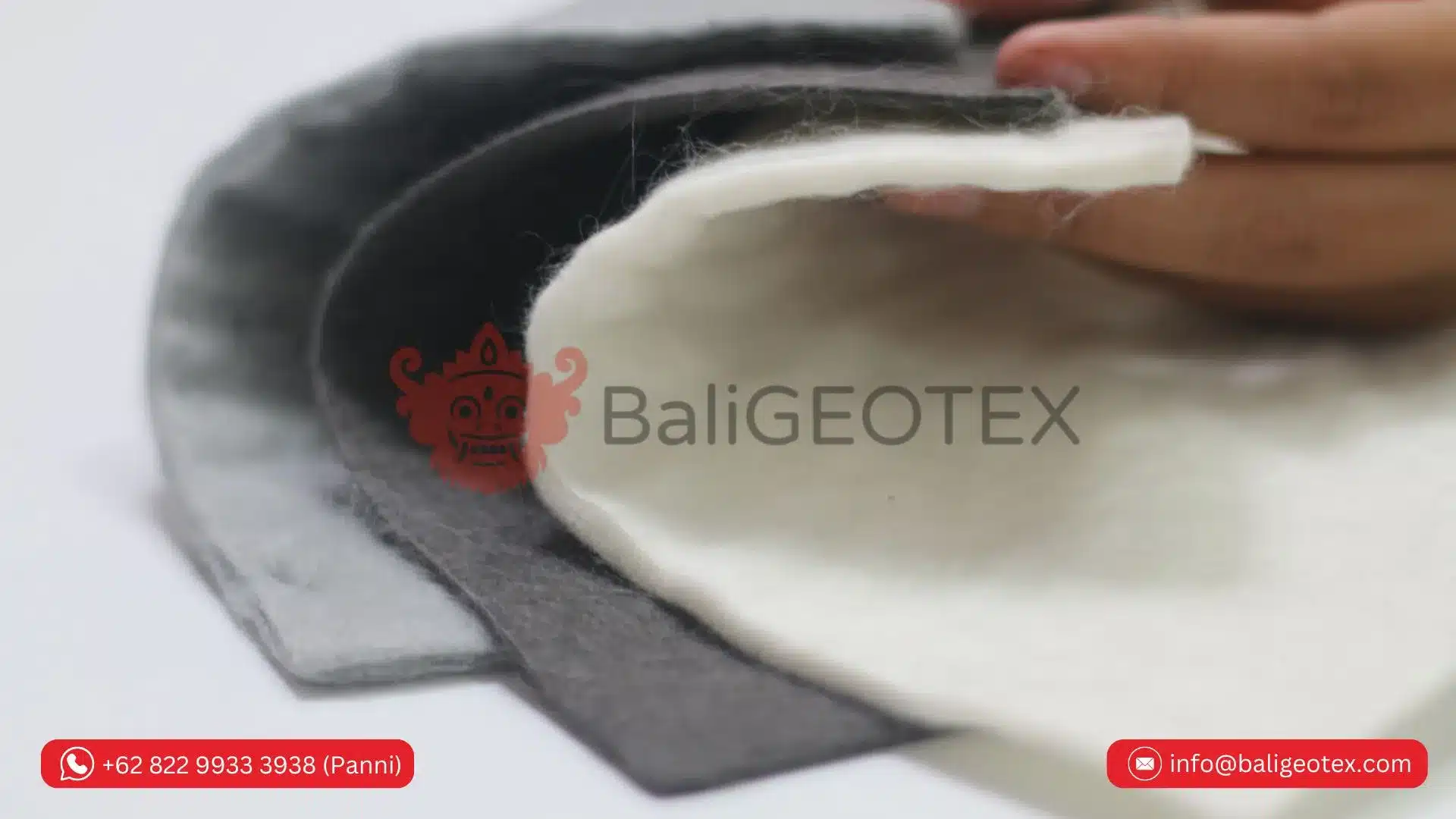
Before choosing a replacement, it helps to know what this material does. Suppliers of geotextile fabric Australia-wide sell it mainly for separation and drainage. The fabric sits between soil and gravel, stopping those two layers from mixing. It also filters water, controls erosion, and blocks weeds in gardens and driveways. Woven types suit heavy loads, while non-woven felt-like versions handle filtration best. Any decent substitute must handle at least one of those jobs properly.
Natural Fiber Mats
Jute matting ranks among the most popular natural swaps sold in Australia. This biodegradable cloth holds soil steady while new plants grow strong roots. Coir, made from coconut husks, works brilliantly on slopes and near waterways. Logs made from coir last two to five years, giving roots time to establish. Hemp and wool mats have also just arrived on the Australian market. Queensland company Vital Chemical distributes them under the VE Geo-Loc brand name. These mats break down within eighteen to twenty-four months and leave no plastic. Many geotextile fabric Australia retailers now stock these greener mats alongside synthetic rolls.
Compost Blankets and Revegetation Netting
Compost blankets such as EcoBlanket give bare ground instant cover from first rainfall. Unlike fabric, this sprayed layer feeds the soil and helps seeds sprout. Compostable revegetation netting like Vital Eco-Nett offers another clever choice. Both the mesh and its anchor pins break down safely underground. Some versions even carry slow-release fertiliser that feeds plants during decomposition. Councils and contractors across the country already use these systems on big sites.
Gravel, Mulch, and Other Simple Ground Covers
Sometimes the simplest fix is skipping fabric and laying thick mulch instead. A deep layer of wood chips blocks weeds and keeps soil moist. Gravel alone can stabilise firm, well-drained ground without any fabric underneath. Cardboard sheets also work as a cheap, compostable weed barrier in garden beds. Old wool carpet offcuts can even cushion paths, though they break down fast.
A Reliable Geotextile for Your Project
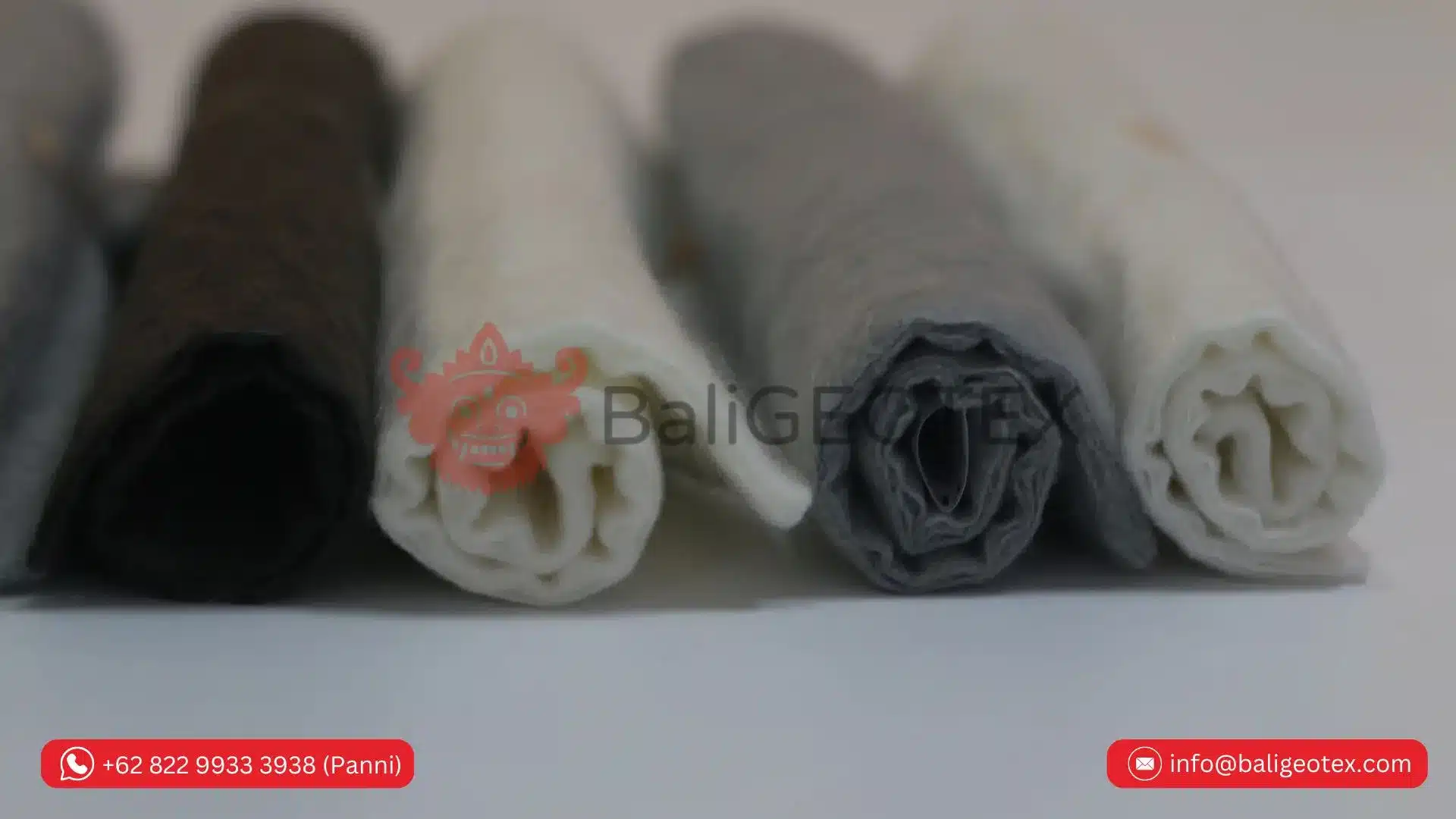
Looking for a geotextile fabric that can support better drainage, soil stability, and long-term project performance? BaliGEOTEX Non-Woven Geotextile provides a practical solution for construction, landscaping, drainage, and erosion control applications. Its non-woven structure allows water to pass through while helping retain soil particles, making it suitable for projects where effective filtration and separation are essential. Available in a range of GSM options, it can be selected according to your project requirements, from landscaping and drainage systems to roads, retaining walls, embankments, and other geotechnical applications.
There are plenty of reasons why to use instead of geotextile fabric. Jute, coir, hemp, wool, compost blankets, and mulch all perform brilliantly. Every option guards soil, fights erosion, and breaks down without harming nature. Geotextile fabric is still preferable for permanent, heavy-duty work like driveways and drains.
For more information about Geotextile Non Woven please contact: Whatsapp/Mobile Phone: +62 822 9933 3938 (Ms. Panni) or Email : info@baligeotex.com