Soil erosion damages roads, hillsides, and riverbanks every single year. Construction teams use special textiles to fight this. Woven geotextile fabric stands out among these materials. It provides strength, stability, and long-lasting soil protection. Knowing when to use woven geotextile fabric matters greatly.
What and When to Use Woven Geotextile Fabric
Woven geotextile fabric comes from polypropylene or polyester. Manufacturers weave these polymers together on large looms. The finished product looks like a strong plastic cloth. Its tight grid pattern resists stretching under heavy loads. This structure makes it ideal for supporting weak soils. Unlike felt-like nonwoven types, woven sheets offer less drainage. However, their toughness provides excellent separation and reinforcement.
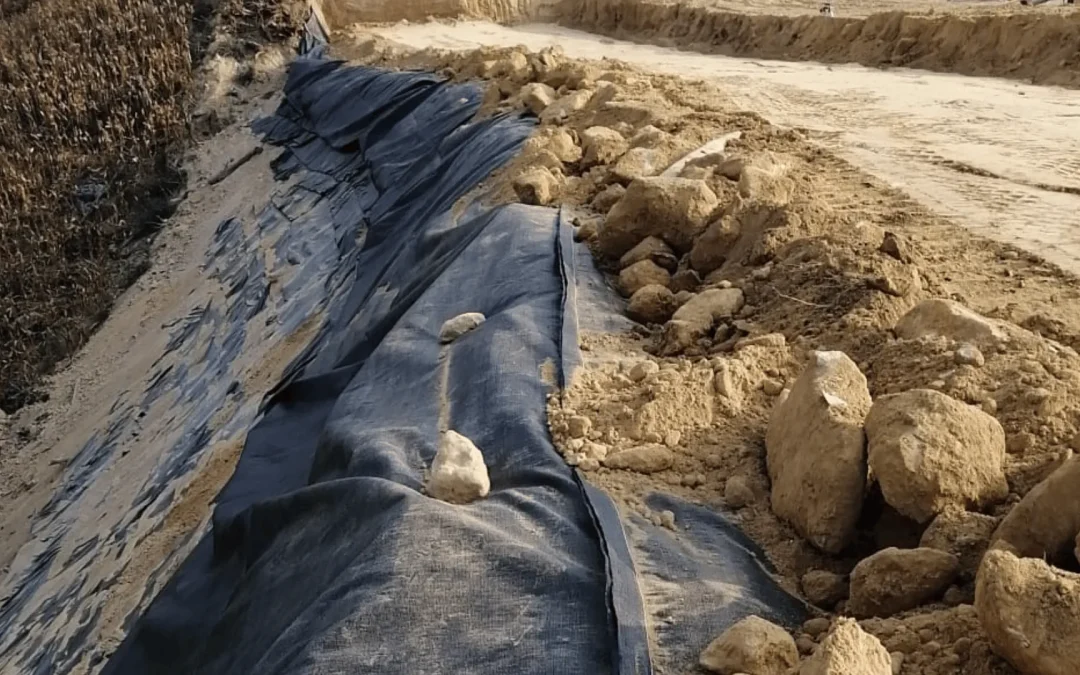
Steep slopes face constant threats from wind plus rain. Running water washes away loose dirt very quickly. When to use woven geotextile fabric becomes clear here. Place this material beneath rocks or gravel on hillsides. The layer keeps soil particles firmly within proper spots. Meanwhile, water filters through without carrying mud downhill. Shorelines and riverbanks also benefit from this protection method. Waves constantly pound these areas during stormy weather events. A woven barrier prevents undermining beneath riprap stone layers.
Woven Geotextile Fabric Application for Reinforcement
Soft ground creates big problems for construction crews. Heavy equipment sinks into muddy or weak subgrade soils. The fabric can be used to spreads weight across a broader surface area. This distribution stops ruts from forming on access roads.
Parking lots and driveways gain extra support too. Retaining walls need strong backing to resist lateral pressure. Woven geotextiles reinforce the soil behind vertical structures. Bridge approaches often settle without proper soil support. Geotextiles limit differential movement between abutments and fill
![Woven Geotextile BaliGEOTEX [1]](https://indonesiageotextilefabric.com/wp-content/uploads/2026/02/Woven-Geotextile-BaliGEOTEX_12_11zon.webp "Woven Geotextile BaliGEOTEX [1]")
![Woven Geotextile merk BaliGEOTEX[2]](https://indonesiageotextilefabric.com/wp-content/uploads/2026/02/Woven-Geotextile-BaliGEOTEX-3_9_11zon.webp "Woven Geotextile merk BaliGEOTEX[2]")
Woven vs. Nonwoven Geotextiles
Woven sheets handle heavier loads without stretching. Their low elongation keeps structures stable over decades. Choose nonwoven types for French drains or subsurface drainage. Pick woven products on roads, walls, and embankments. Cost differences is still small compared to overall project budgets. Long-term durability makes woven fabrics financially is smart choices. Both materials resist rot, chemicals, and biological damage.
The Correct Installation
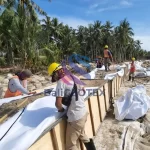
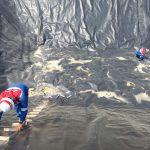
Proper installation is what makes maximum performance possible from every roll. First, clear all debris off the work area. Next, smooth out any bumps or sharp objects. Unroll the sheet directly over prepared subgrade surfaces. Overlap edges by several inches at seam locations. Pinning holds everything firmly against wind or shifting soils. Never drag heavy equipment across exposed fabric surfaces because tears or holes weaken the entire protective system. Finally, add aggregate layers above the installed barrier.
Built for strength and long-term performance, woven geotextile from Baligeotex offers a reliable solution for demanding construction and civil engineering needs. Made from high-quality polypropylene or polyester yarns that are tightly woven into a stable structure, this material delivers exceptional tensile strength, durability, and resistance to harsh environmental conditions, including UV exposure and chemical degradation.
Knowing when to use woven geotextile fabric solves many civil engineering challenges. It controls erosion on vulnerable slopes and shorelines. The same material reinforces soft soils beneath structures. Roads last longer with proper separation layers installed.
For more information about Geotextile Woven please contact: Whatsapp/Mobile Phone: +62 8173 91338 (Ms. Agnes) or Email : info@baligeotex.com