Walk along an eroding stretch of Australian coastline and you’ll often notice long, firm mounds running parallel to the water sometimes exposed, more often buried beneath sand and vegetation. Many of these are geotubes: large fabric tubes filled with sand or slurry that quietly hold the shoreline in place. They rarely draw attention, which is rather the point. A well-built geotube does its job without looking like a concrete wall.
This guide answers a straightforward question what is the purpose of a geotube and then looks at how these tubes are used to build seawalls, and what separates an ordinary installation from the best geotube seawall for a given site.
What Is a Geotube?
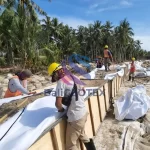
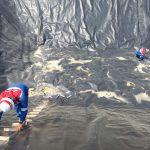
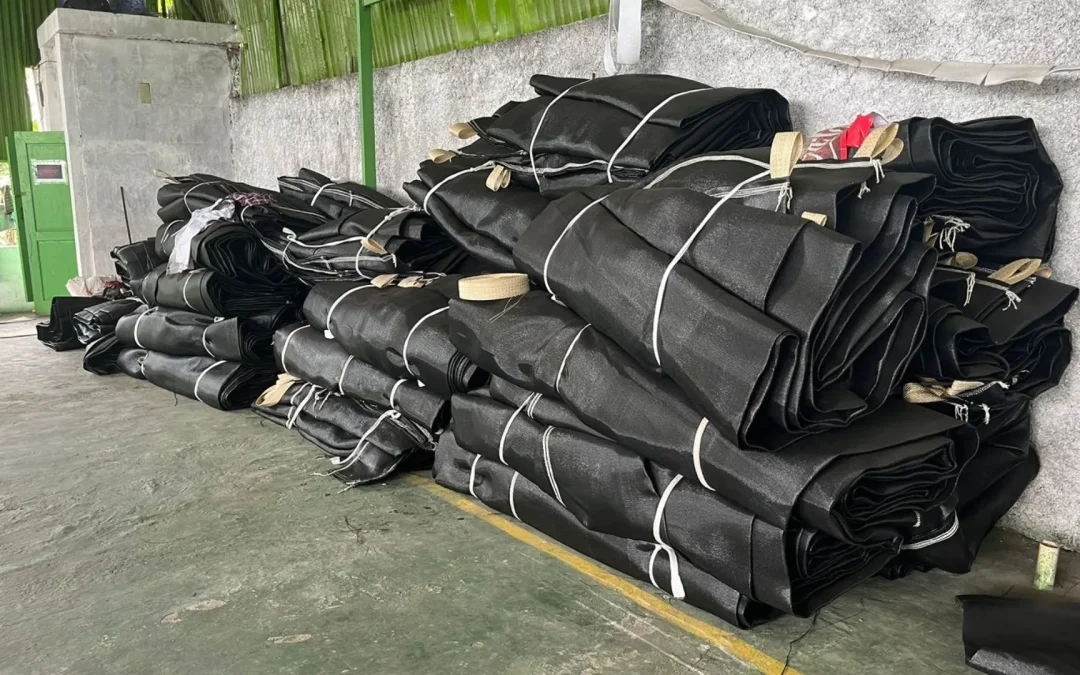
A geotube, also called a geotextile tube, is a large tubular container made from high-strength woven geotextile fabric. On site, it’s pumped full of a sand-and-water slurry. The fabric is engineered to be permeable in a very specific way: water drains out through the weave while the sand particles stay trapped inside. As the water escapes, the tube consolidates into a firm, heavy, stable structure that holds its shape for years.
Think of it as a giant, purpose-built sandbag except far larger, far stronger, and designed with an engineered pore structure that ordinary bags simply don’t have. Individual tubes can run tens of metres long and over a metre high, and they’re often stacked or laid end-to-end to form a continuous barrier.
What Is the Purpose of a Geotube?
So, what is the purpose of a geotube? At its core, a geotube exists to contain material and resist the forces of water and from that single idea flow several practical uses.
Coastal and Shoreline Protection
This is the most visible role. Placed along a beach or dune, a geotube absorbs and deflects wave energy, protecting the land behind it from erosion. Because it’s flexible and settles with the sand, it works with the natural movement of the coast rather than fighting it the way a rigid wall does. Along Australia’s exposed eastern and southern coastlines, where storm surges chew away at dunes, geotubes are a common erosion-control tool.
Building Breakwaters and Groynes
Geotubes can be arranged offshore or perpendicular to the shore to break up wave action and manage the movement of sand along a beach. This helps keep sand where it’s wanted and reduces scouring in vulnerable spots.
Dewatering and Containment
Geotubes are also used well away from the coast, to dewater and contain fine sediments, sludge, and dredged material. The same fabric that holds sand while releasing water makes them ideal for drying out slurry in dredging and industrial projects a use worth a guide of its own.
Land Reclamation and Bunding
In reclamation works, rows of geotubes form the retaining bund that holds fill material in place while it settles. They provide a fast, flexible perimeter without the cost and rigidity of concrete or rock walls.
In short, the purpose of a geotube comes down to one versatile principle separate solids from water, hold a shape, and resist erosive force applied to whichever problem the site presents.

Using Geotubes to Build a Seawall
A seawall’s job is to hold a line between land and sea, protecting the ground behind it from waves and tides. Traditionally that meant rock revetments or concrete. Geotubes offer a different approach that suits many sites better.
A geotube seawall is built by laying filled tubes along the shoreline, often in a stacked pyramid arrangement a wider base with narrower tubes above and then covering the structure with sand and, ideally, planting it out with dune vegetation. Once buried, the seawall looks like a natural dune while the tubes inside do the structural work.
The reasons this approach has grown popular include:
- Lower cost and faster build than importing large volumes of rock or pouring concrete.
- Soft, natural finish once covered with sand and vegetation, which suits residential beaches and tourism areas where a concrete wall would be an eyesore.
- Flexibility the structure settles and flexes with the beach instead of cracking.
- Local fill tubes are usually filled with sand sourced on or near the site, reducing haulage.
- Reduced wave reflection a gently sloped, sand-covered geotube reflects less wave energy back onto the beach than a vertical concrete wall, which can help reduce scouring at the base.
What Makes the Best Geotube Seawall?
There’s no single “best geotube seawall” that suits every location the best design is the one matched properly to its site. That said, the strongest installations tend to share a few things in common.
1. The right fabric for the wave climate.
The best geotube seawall starts with a geotextile specified for the actual wave energy, UV exposure, and design life of the site. An exposed ocean beach demands a heavier, stronger fabric than a sheltered estuary.
2. A sound foundation and scour protection.
Waves attack the base of any seawall. The best installations include a scour apron an extra layer of fabric or a buried toe tube at the front to stop water from undermining the structure.
3. Proper burial and vegetation.
UV light is a geotube’s main long-term enemy. The best geotube seawalls are fully covered with sand and stabilised with deep-rooted dune plants, which protects the fabric and helps the whole structure knit into the landscape.
4. Sound engineering and consenting.
Coastal works in Australia generally require assessment and approval. The best outcomes come from designs prepared with coastal engineering input and the correct permits, not ad-hoc builds.
5. Quality manufacturing and seams.
A geotube is only as strong as its weakest seam. Well-made tubes with reinforced, factory-welded or stitched seams and properly engineered fill ports hold up far better under repeated wave loading.

Frequently Asked Questions
How long does a geotube seawall last?
When properly specified, installed, and kept covered from sunlight, geotube structures can last many years often 10 to 25 years or more depending on the fabric grade and exposure. UV damage from being left uncovered is the main factor that shortens their life.
Are geotubes better than a rock seawall?
Neither is universally better it depends on the site, budget, and appearance you’re after. Geotubes are usually cheaper, faster, and blend into the landscape once buried; rock revetments can handle extreme wave energy and are fully exposed to the elements from day one. Many projects use them together.
Can geotubes be damaged by vandalism or debris?
The fabric can be cut or punctured, which is another reason burying the structure matters it’s protection as well as camouflage. Modern geotextiles are tough, and minor damage to a buried, sand-filled tube usually has limited effect, but exposed tubes are more vulnerable.
Do geotube seawalls need approval in Australia?
In most cases, yes. Coastal protection works typically require assessment and consent from the relevant state or local authority. It’s best to confirm requirements early and involve a coastal engineer.
Bringing It Together
So, what is the purpose of a geotube? It’s a strong, permeable fabric container that separates solids from water and resists erosion, a simple idea that stretches across shoreline protection, breakwaters, dewatering, and land reclamation. When those tubes are laid, stacked, and buried along a coastline, they form a seawall that protects the land while blending into the beach.
And the best geotube seawall isn’t about a single product it’s about matching the right fabric, foundation, and finishing to the conditions of the site, ideally with proper engineering behind it. Done well, it’s a form of coastal defence that holds firm for decades while barely announcing that it’s there at all.
For more information about Geotube please contact: Whatsapp/Mobile Phone: +62 822 9933 3938 (Ms. Panni) or Email : info@baligeotex.com