The use of geotextile fabric under gravel in gardens is becoming increasingly popular in the gardening world. Originating from technology that has been developing since the early 20th century, its use is now widespread, particularly to improve the quality and strengthen the structure of garden soil. Installing non-woven geotextiles in gardens requires an understanding of how they work to enhance the garden’s benefits and durability, not simply placing a layer of material under the soil.
Understanding Geotextile Fabric Under Gravel
Geotextile under gravel is a synthetic sheet material made of polyester or polypropylene. It has pores that function as a separator and filter. This construction material is placed between the subgrade and the gravel layer to prevent the gravel from sinking into the soil and to suppress weed growth.
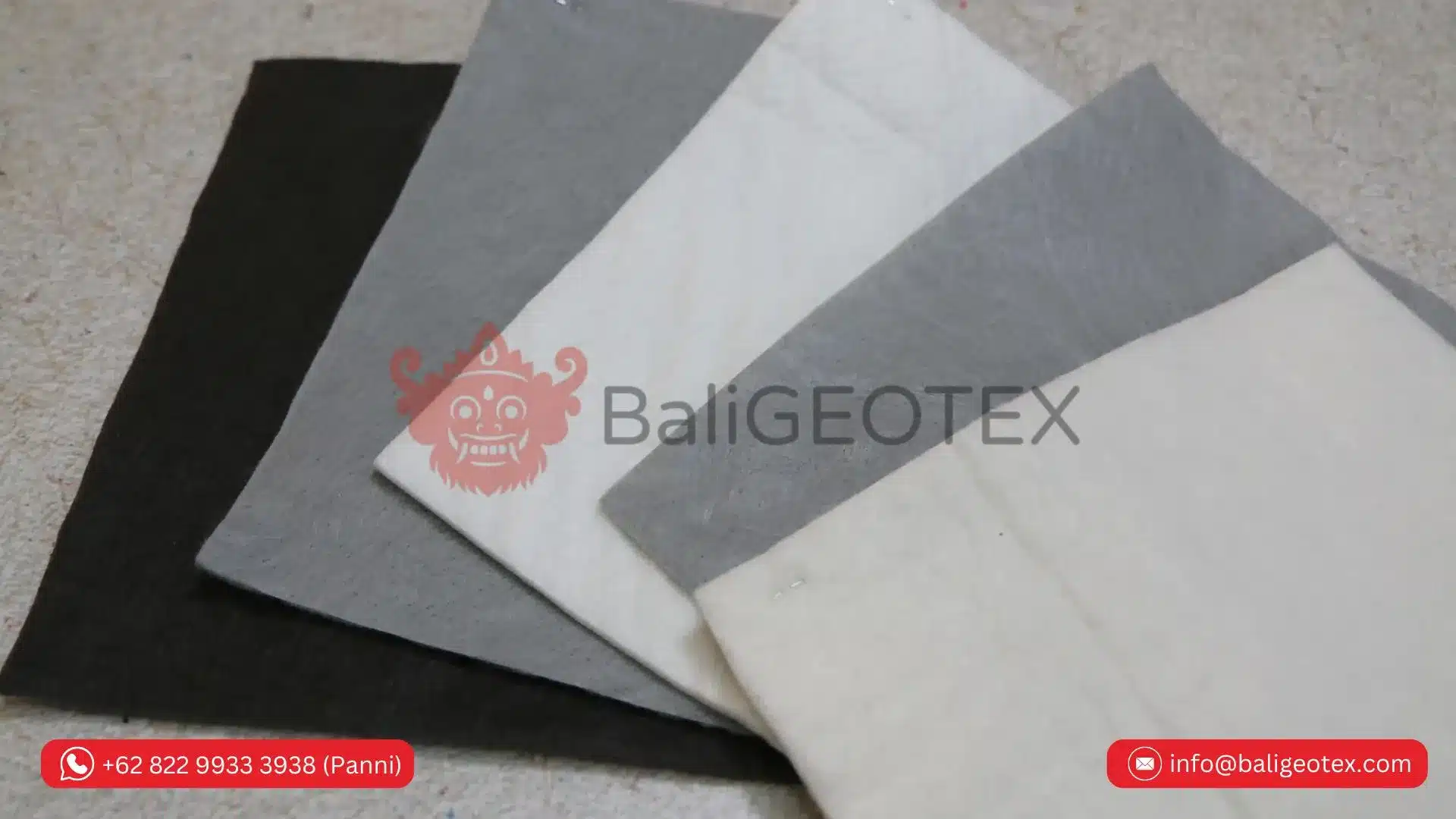
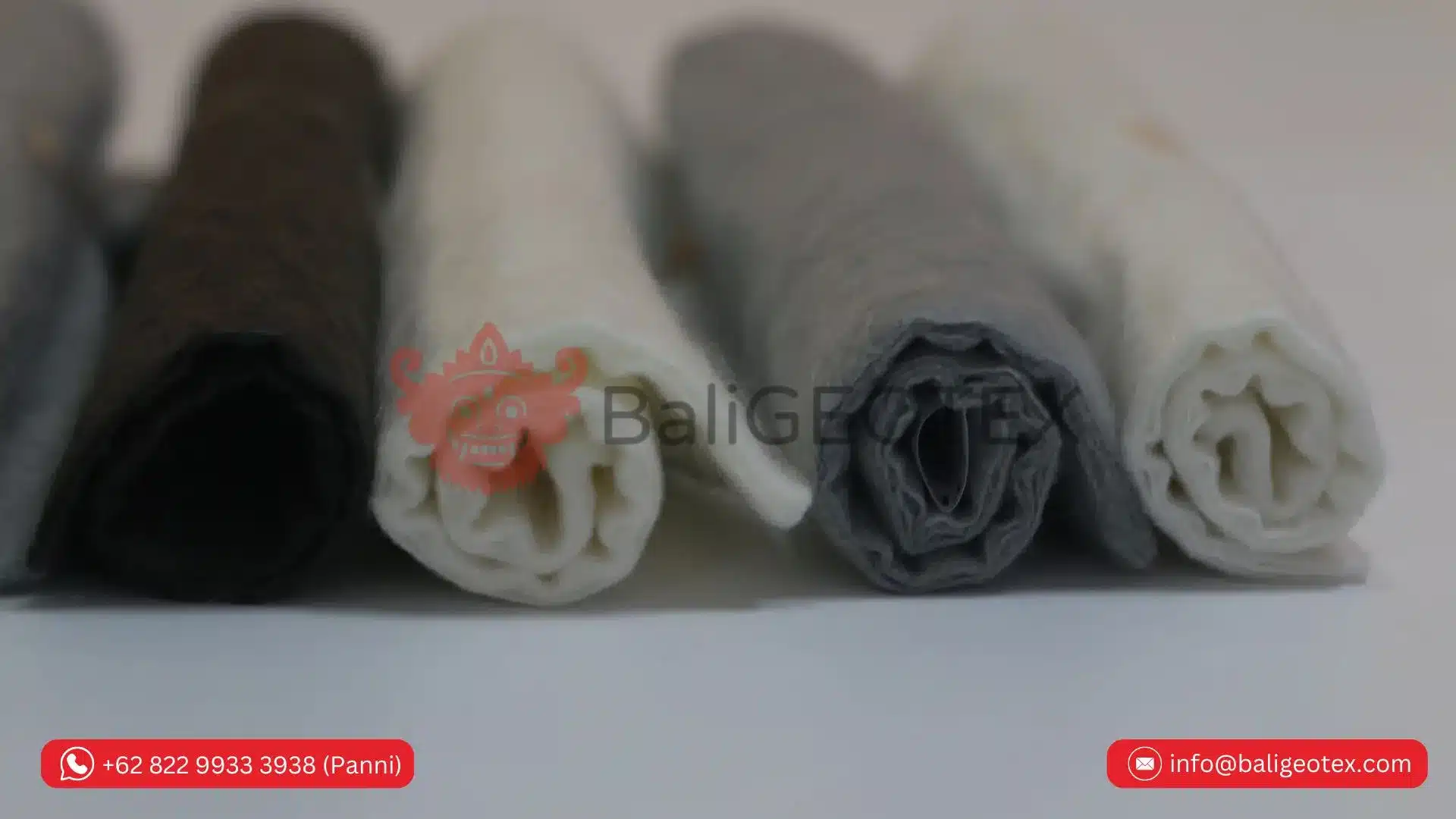
Non-woven geotextile is a type of geosynthetic product made from knitted textile sheets, woven using sophisticated machinery. It is made from polypropylene (PP) or polyester (PET) fibers, either staple fiber or continuous filament. Each sheet produced is not woven at all, but is instead joined together through needle punching, bonding, and interlocking.
Non-woven geotextile material has high tensile strength and flexibility, making it suitable for use as a separator for soft soil and embankments. Its weight ranges from 150 grams/m2 to 600 grams/m2.
Non-woven Geotextile Functions
Both woven and non-woven geotextiles serve similar functions. However, when applied to gardens, there are several technical factors that determine the use of non-woven geotextiles under gravel. Their functions include:
- Soil Separator: Functions to separate the gravel layer from the subgrade. Non-woven geotextiles are used in gardens as a layer of soil and gravel to keep them separate.
- Water Filtration: Allows water to flow into the soil or drainage pipes. It retains fine soil particles, preventing them from clogging garden drains.
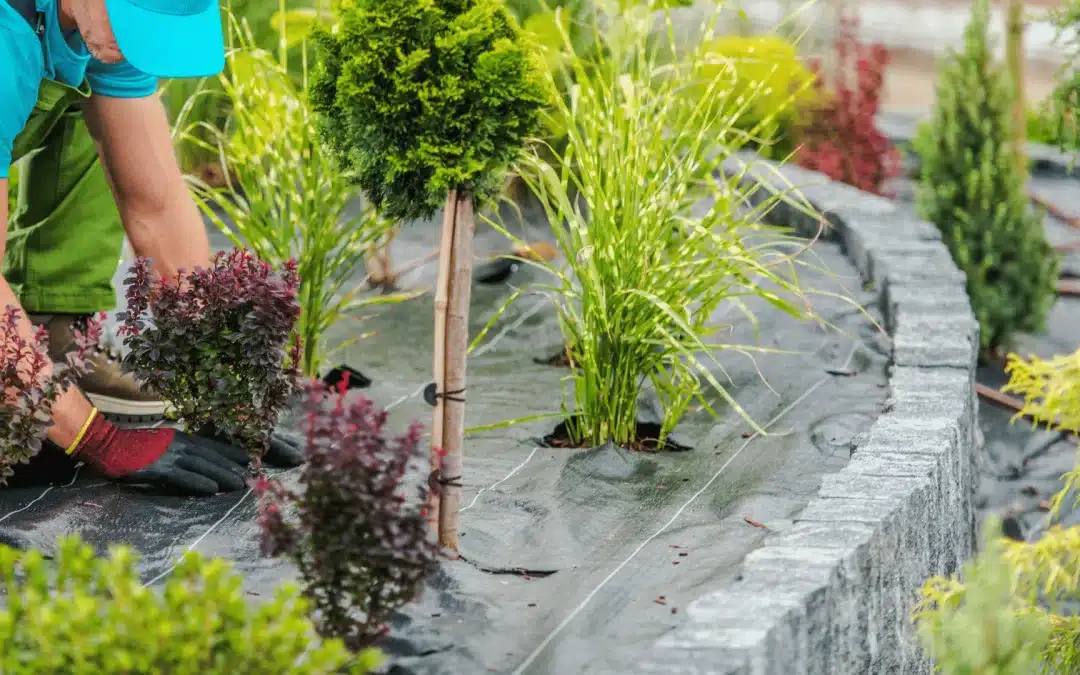
- Weed Control: In addition to protection, non-woven geotextiles are used as physical barriers to prevent weeds and grass from penetrating decorative stone layers and walkways in gardens.
- Vertical Garden Media: Due to its thick, flexible, and permeable carpet-like properties, geotextiles are ideal for use as plant bags in vertical gardens.
- Protection: Protects the waterproof membrane layer from the risk of friction from rocks and plant roots, preventing it from tearing or being damaged.
Installation Method
To install non-woven geotextiles under garden gravel, begin by cutting the geotextile to fit the size of the area. This ensures a neat cut. Don’t forget to measure the garden area first, then adjust the material size to the measurements of the application area. Avoid excessive cutting to reduce waste and increase installation efficiency.
When installing, spread the material flat on the ground, ensuring it’s neatly and securely installed without wrinkles or folds. Once installed, ensure it won’t shift or blow away easily, using U-shaped metal stakes or landscape nails at the edges and overlapping areas.
Using non-woven geotextiles in gardens is tantamount to creating a stable and healthy environment for every area. Geotextiles have numerous benefits in enhancing the beauty and sustainability of all types of gardens. They help prevent weeds and improve drainage and soil stability. Geotextile fabric under gravel helps make the garden more sustainable and well-maintained.
For more information about Geotextile Non Woven please contact: Whatsapp/Mobile Phone: +62 822 9933 3938 (Ms. Panni) or Email : info@baligeotex.com