Used geobags for dewatering or the dewatering process is one of the most efficient and economical methods for managing liquid waste and dredging sediment. This technique utilizes permeable textile technology specifically designed to separate solids from water effectively. In Indonesia, the demand for practical waste treatment systems continues to rise, particularly for industries and construction projects operating near water bodies or residential areas.
Why Choose Used Geobags for Dewatering Sediments?
Conventional drying methods often require vast areas of land and high operational costs. However, by choosing used geobags or Geotextile Bags from Indonesia Geotextile Fabric, the solid material separation process becomes significantly simpler.
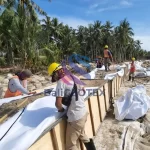
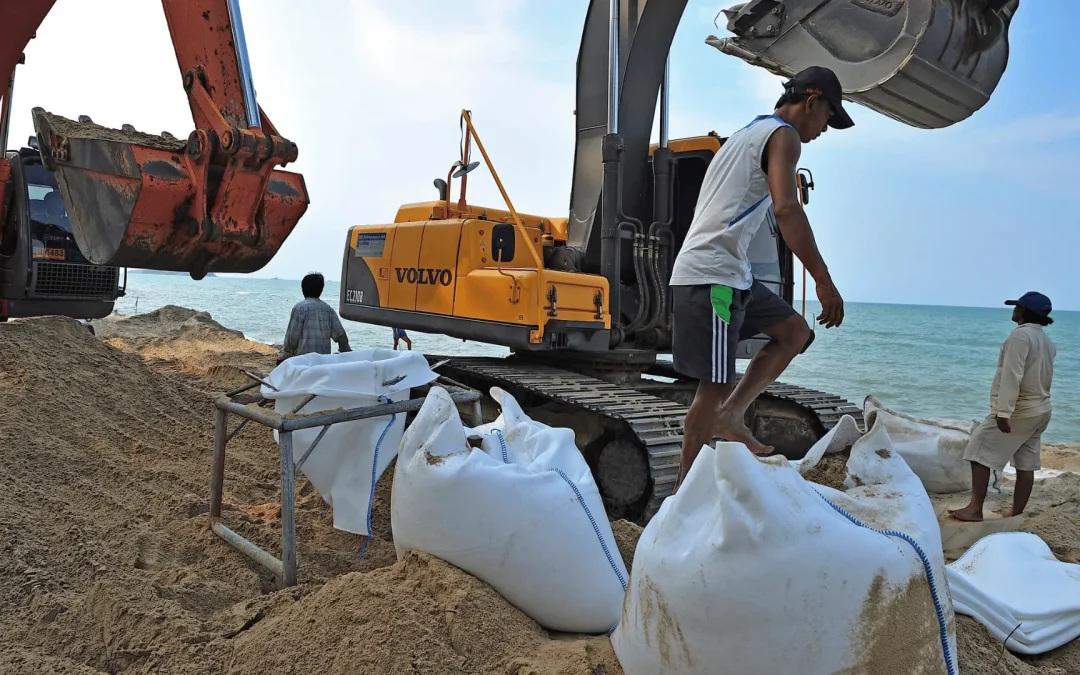
The geobag operates on the principle of mechanical filtration. Sludge or sediment is pumped into large bags made of high-quality Non-Woven Geotextile material. Water escapes through very small pores in the fabric, while solid materials are retained inside the bag. This process ensures that the effluent water is clearer and the material inside becomes dry and solid, making it easier to transport or dispose of.
Product Advantages from Indonesia Geotextile Fabric
The Geobag products available through indonesiageotextilefabric.com are designed for maximum durability. Some of the key advantages include:
- High Durability: The material is resistant to UV rays and chemicals, making it ideal for long-term outdoor use.
- Accurate Filtration: It features precise pore sizes to retain fine particles while still allowing water to flow smoothly.
- Large Capacity: Available in various sizes that can be customized to the volume of waste being treated.
![geobag merk BaliGEOTEX[1]](https://indonesiageotextilefabric.com/wp-content/uploads/2026/02/geobag-merk-BaliGEOTEX-16_26_11zon.webp "geobag merk BaliGEOTEX[1]")
![geotextile bag / geobag merk BaliGEOTEX[2]](https://indonesiageotextilefabric.com/wp-content/uploads/2026/02/geobag-merk-BaliGEOTEX-2_16_11zon.webp "geotextile bag / geobag merk BaliGEOTEX[2]")
Steps for Used Geobags Optimally
To achieve maximum results or performance in a dewatering project, which is the process of removing or separating water from a mass of soil, sediment, or liquid waste to reach a drier and more stable condition, the following technical stages are typically performed:
- Site Preparation and Placement Ensure the Geobag placement area has a sufficient slope so that the filtered water can flow toward the appropriate drainage channels.
- Sludge Pumping Process Sludge or sediment is channeled into the bag. At this stage, the addition of flocculants or chemical aids is often performed to accelerate the separation of water from solid particles.
- Consolidation and Drying Once the bag is full, allow the dewatering process to occur naturally. Water will continue to exit until the material inside reaches the desired density level.
Cost Analysis and Operational Efficiency
Compared to using expensive dewatering machinery such as centrifuges or filter presses, used geobags offers a much more affordable solution. There is no large continuous energy consumption, and mechanical maintenance is almost unnecessary. Additionally, once the material is dry, the Geobag can be opened and the material reused—for example, as soil fill or fertilizer, depending on the type of sediment treated. The use of Geotextile Bags also minimizes environmental impact because the risk of sludge leaking back into water bodies can be reduced to the lowest point. The strong fabric material ensures there are no tears even under high pump pressure.
Selecting the right dewatering method is crucial to the success of industrial and domestic waste management. By choosing used geobags for dewatering, you not only gain cost efficiency but also help preserve the environment through a clean filtration process. Ensure you obtain international standard quality Geobag products only through trusted partners like Indonesia Geotextile Fabric to guarantee the safety and durability of your project in the long term.
For more information about Geobag please contact: Whatsapp/Mobile Phone: +62 822 9933 3938 (Ms. Panni) or Email : info@baligeotex.com