Top-rated non woven geotextile products for erosion control are increasingly in demand. This is because they are truly effective in controlling erosion. For more information about these products, please see the description below.
Top-rated Non-Woven Geotextile Products for Erosion Control
Quality non-woven geotextiles can be relied upon to meet various needs. One of them is erosion control. As is well known, erosion is very harmful to residents and the surrounding environment.
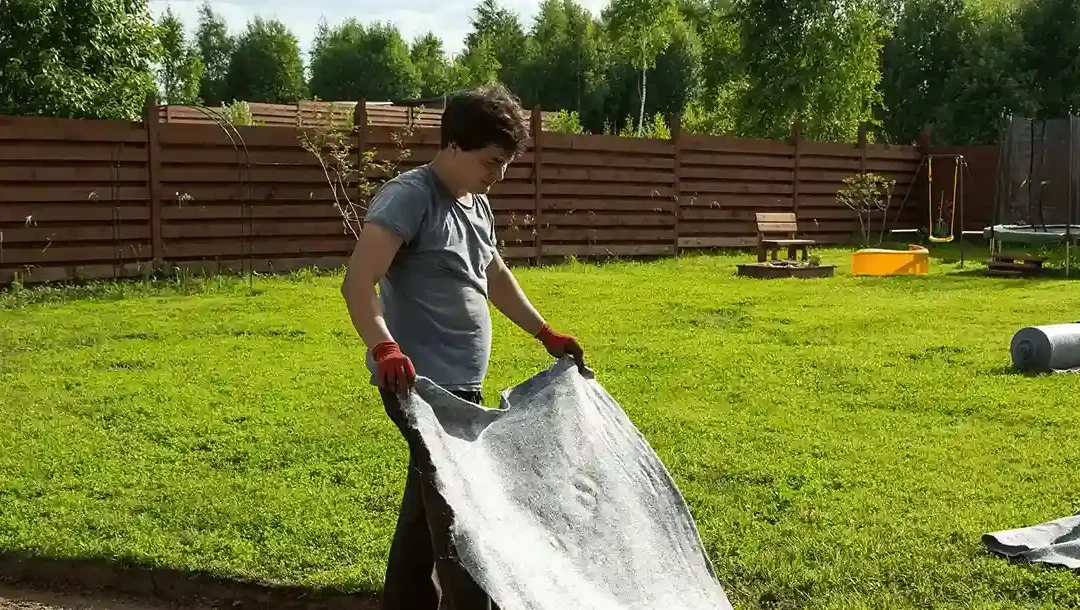
The reason for using non-woven geotextiles is none other than their manufacturing process. Non-woven geotextiles are made from synthetic fibers and then processed using a heat-bonded or needle-punched method.
As a result, this process creates a porous and flexible sheet. This is certainly different from woven geotextiles because these geotextiles lack a regular weave pattern.
Because of this, these geotextiles have higher tensile strength. Furthermore, their permeability is also excellent. Their durability is unquestionable.
Non-woven geotextiles remain strong because they use high-quality needles, ensuring a tight fit. This material will not leak or break suddenly. For these reasons, it can be used to support erosion control and prevention.
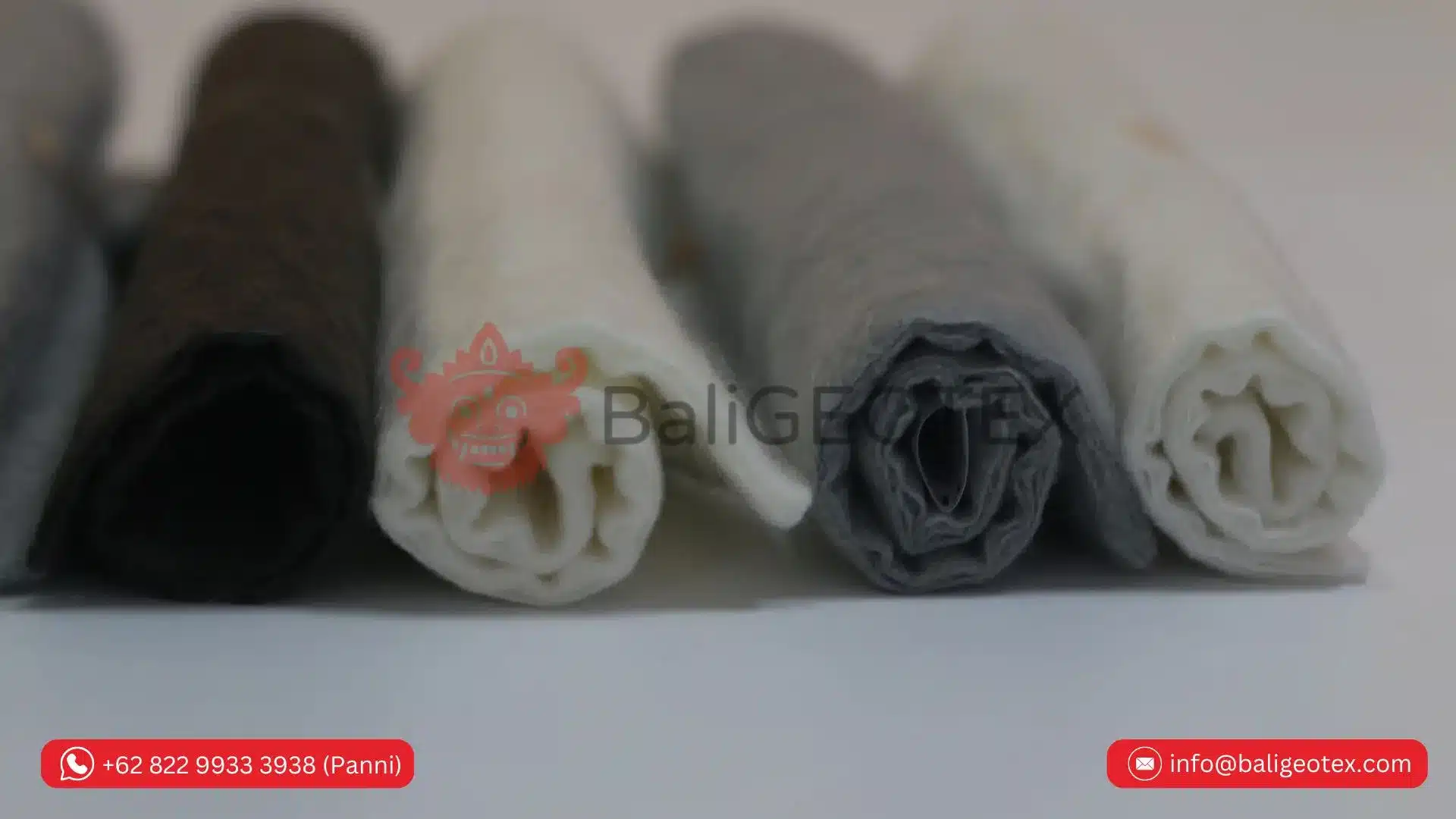
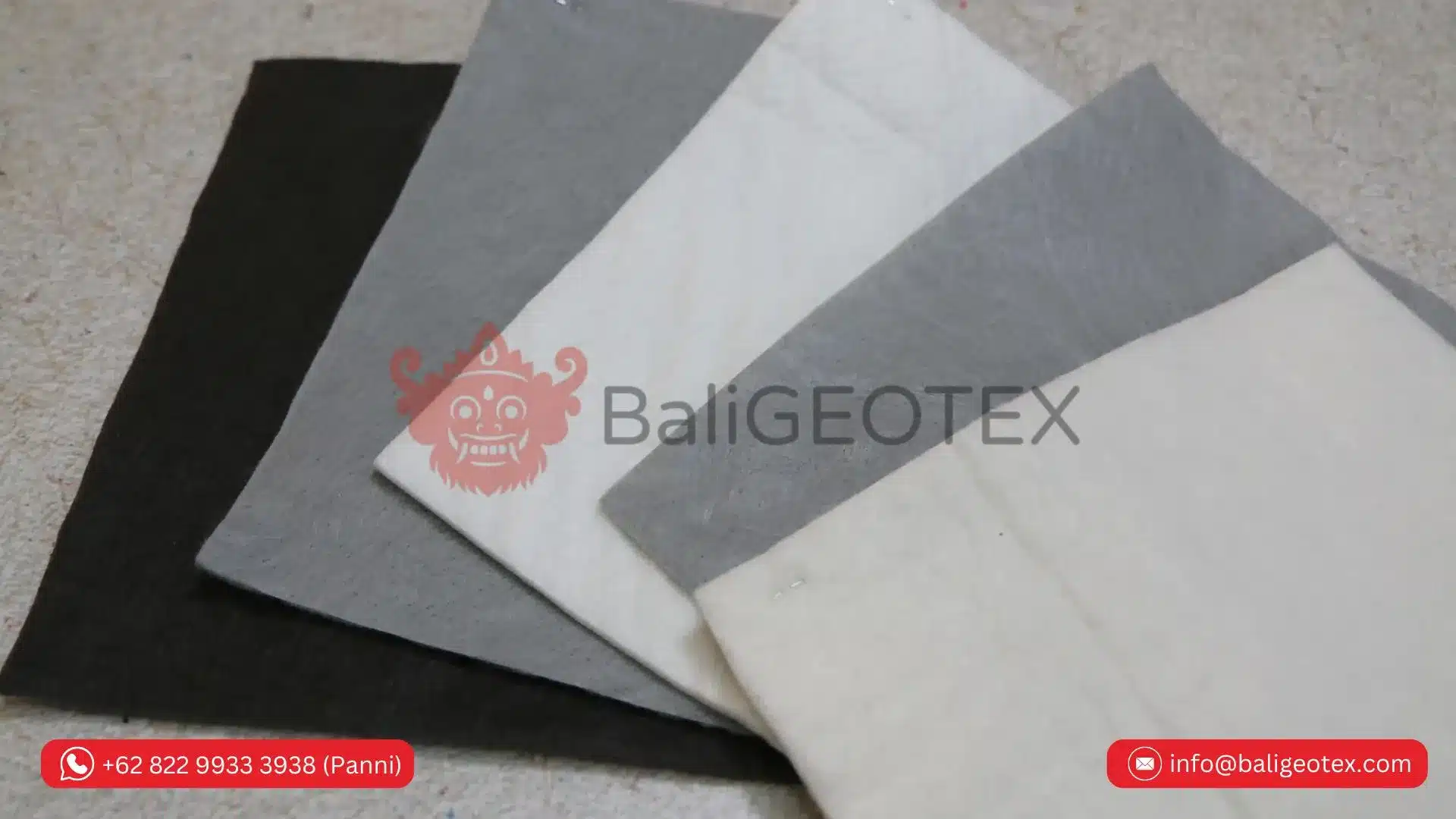
Non-Woven Geotextile Functions
In erosion control efforts, non-woven geotextiles have several important functions. Their primary focus is filtration, drainage, and protection. This effectively reduces the risk of erosion.
The filtration function allows water to flow through the geotextile while retaining fine soil particles. This is highly effective in preventing blockages in the drainage layer. This ensures long-term flow capacity.
Furthermore, there’s the drainage function. This allows water to flow horizontally and vertically through the geotextile sheet. This is crucial for erosion management. It can even be relied upon to manage water in retaining walls.
Furthermore, non-woven geotextiles also serve an effective protection function. In this case, they serve as a cushioning layer to protect geomembranes and other geosynthetic barriers. This protects against damage caused by the placement of gravel, sharp objects, and construction loads.
Physical and Mechanical Properties of Non-Woven Geotextiles
To better understand non-woven geotextiles, be sure to discuss their physical and mechanical properties. These are also the reasons why they are relied upon to control and prevent erosion.
Non-woven geotextiles’ physical properties encompass several factors, including weight, porosity, and thickness. Weight and thickness can affect the material’s strength. Furthermore, porosity determines the ability of water to pass through the material.
Mechanical properties include tensile strength, elongation, and compressive strength. Tensile strength indicates the material’s resistance to stress. Elongation also indicates how far the material can stretch before breaking.
Essentially, these physical and mechanical properties contribute to its effectiveness in various applications, including erosion control. Therefore, in areas prone to erosion, it is important to utilize non-woven geotextiles to their full potential.
Top-rated non woven geotextile products for erosion control are increasingly becoming a mainstay. This is because they are consistently strong, high-quality, and durable. This material is also functional, eliminating the risk of erosion from threatening residents and the surrounding environment. Its use is increasingly attractive because it is quite practical and saves time and effort. In this modern era, it is appropriate to use quality materials such as non-woven geotextiles.
For more information about Geotextile Non Woven please contact: Whatsapp/Mobile Phone: +62 822 9933 3938 (Ms. Panni) or Email : info@baligeotex.com