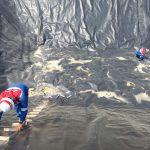
Geotextile fabric has become one of the most useful materials in modern construction and civil engineering. It is a strong, permeable fabric placed in or on the soil to improve its performance. Whether you are building a road, a retaining wall, or a drainage system, the right fabric can make the ground more stable and last much longer. Among the different options on the market, non-woven geotextile fabric is one of the most popular choices. Before we look closely at it, let’s answer a common question that many people ask when they start a project.
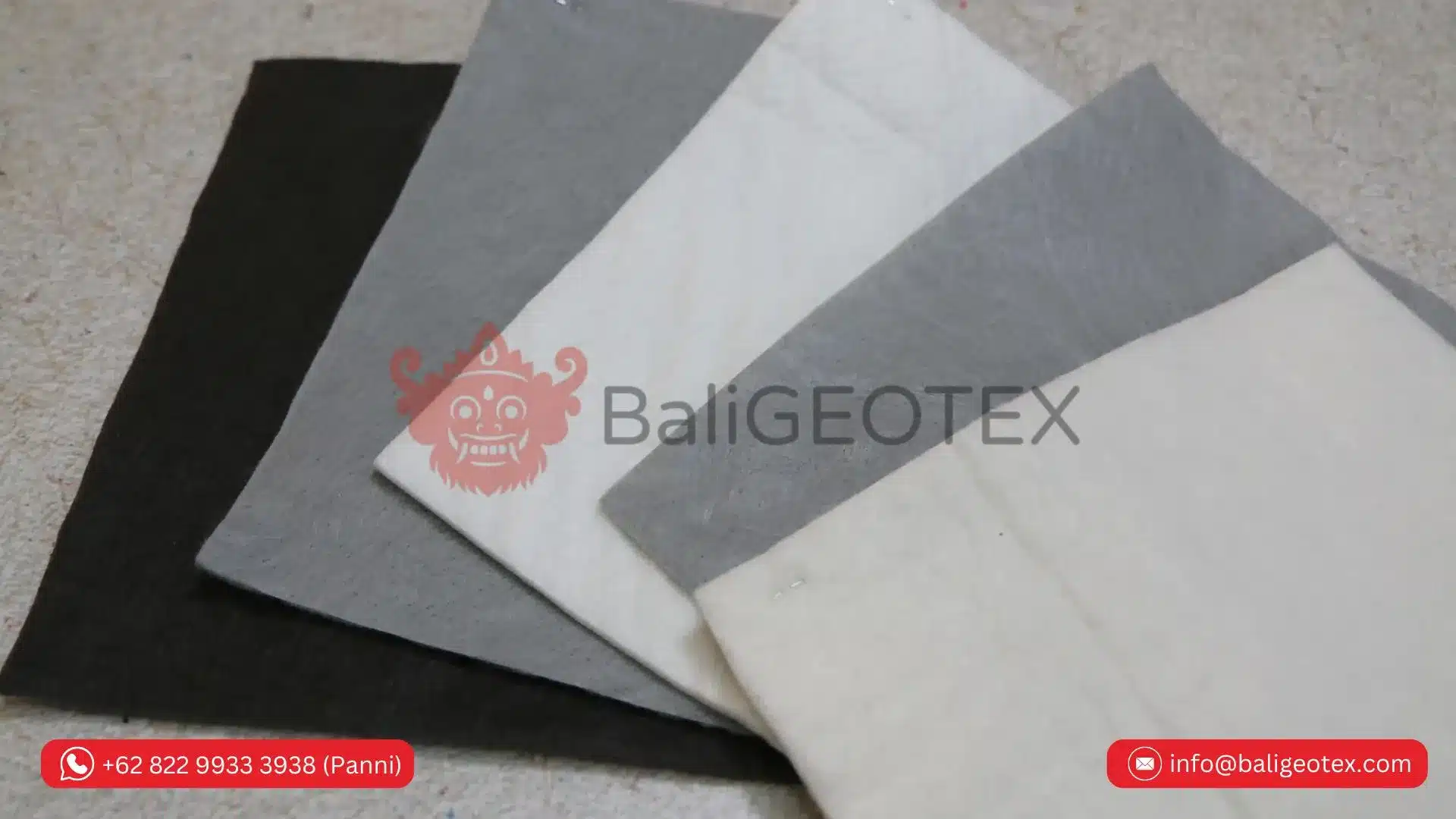
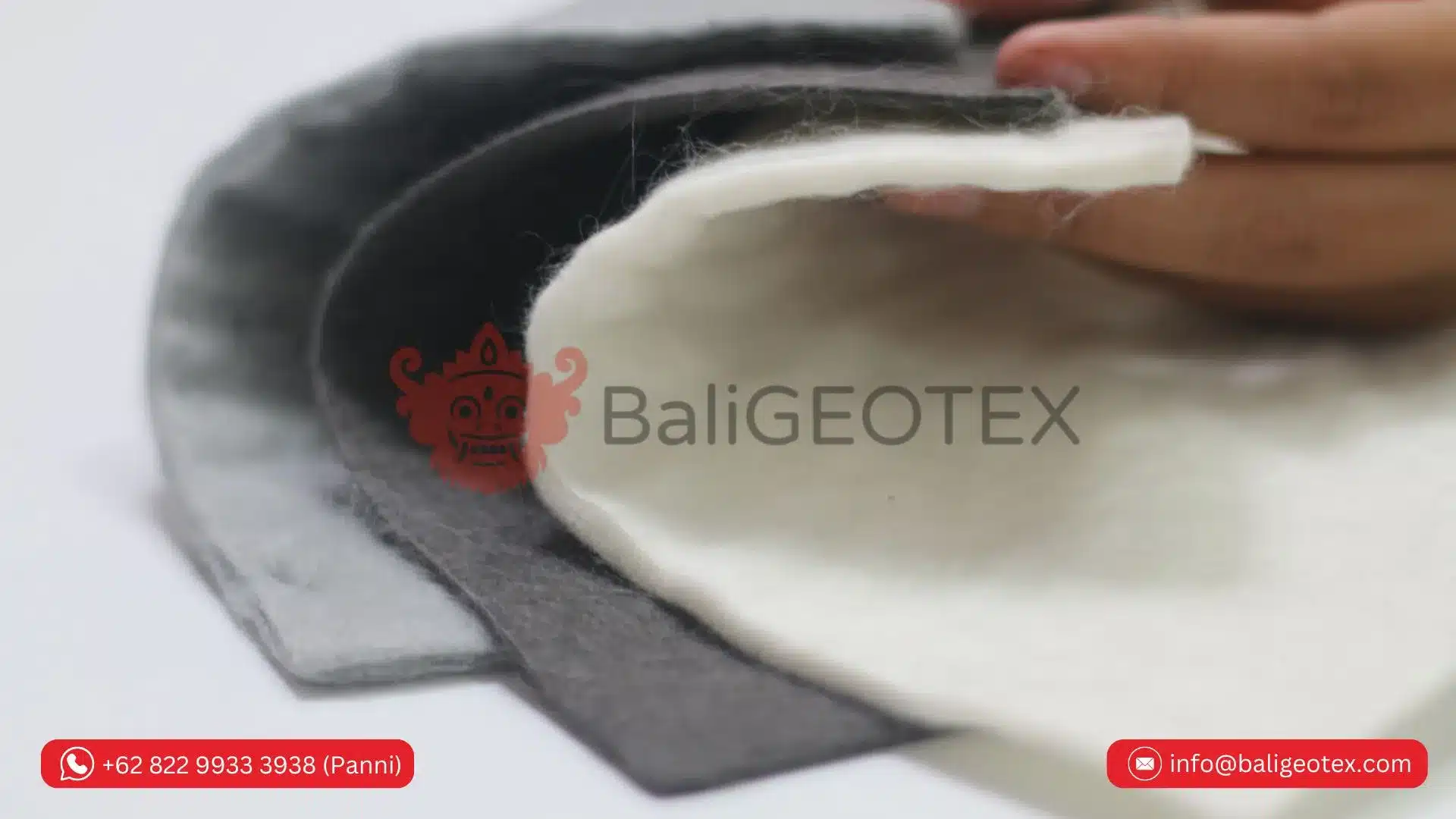
What Are the Three Types of Geotextile Fabric?
If you are new to this material, you may wonder what are the three types of geotextile fabric and how they differ. In general, geotextiles are grouped into three main types based on how they are made: woven, non-woven, and knitted.
Woven Geotextiles
Woven geotextiles are made by weaving threads together, much like fabric for clothing. They are strong and are often used for soil reinforcement and support under heavy loads.
Knitted Geotextiles
Knitted geotextiles are made by looping yarns together. They are less common than the other two types and are used for more specialized jobs.
Non-Woven Geotextiles
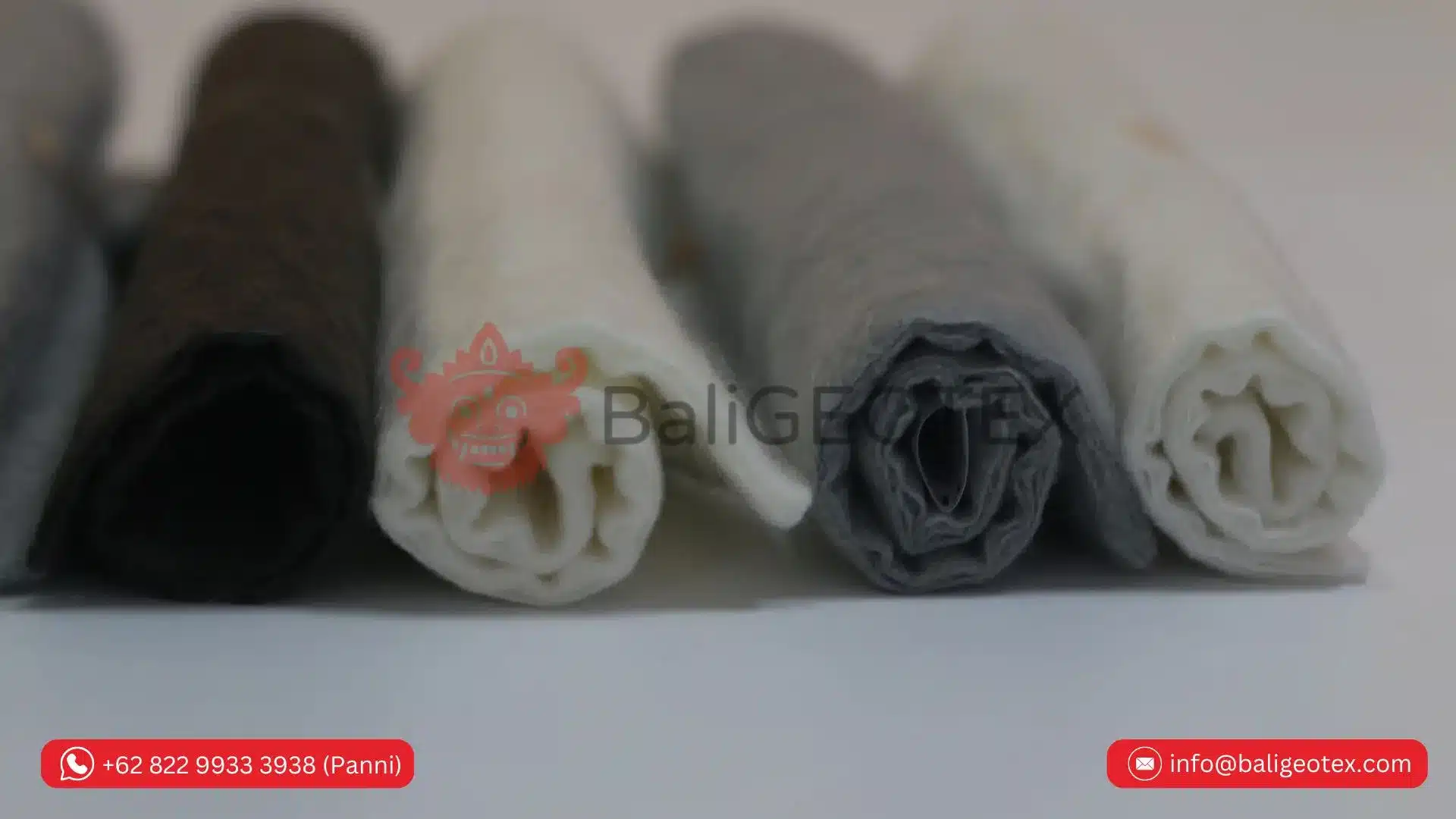
Non-woven geotextiles are made by bonding fibers together through heat, needle punching, or chemicals. This process creates a felt-like material that is excellent at letting water pass through while holding soil in place. For jobs that focus on drainage, filtration, and separation, non-woven geotextile fabric is usually the top pick.
Why Choose Non-Woven Geotextile Fabric?
Non-woven geotextile fabric stands out because it does several jobs at once. It is flexible, easy to install, and works well in many ground conditions. Below are the main functions that make it so useful.
Filtration
The fabric lets water flow through while stopping soil particles from moving with it. This keeps drainage systems clean and prevents clogging over time.
Separation
When you place different soil layers together, they can mix and weaken. A layer of non-woven fabric keeps materials such as gravel and clay apart, so each layer keeps doing its job.
Drainage
The open structure of the fabric helps water move freely toward drains or pipes. This lowers water pressure in the soil and protects structures from damage.
Erosion Control
On slopes and riverbanks, the fabric holds soil in place and reduces the loss of ground caused by rain and running water.
Common Uses in Construction
Non-woven geotextile fabric is used across a wide range of projects. You will often find it under roads and highways, where it separates the base layer from the soil below. It is also used in drainage trenches, behind retaining walls, in landfill liners, and in landscaping work. Because it is lightweight and comes in rolls, contractors can cut and place it quickly on site. Its long service life is another reason engineers trust it. Good quality fabric resists rot, mildew, and many chemicals found in soil, so it keeps performing for years with little maintenance.
Choosing the Right Fabric for Your Project
When picking a fabric, think about the main goal of your work. Consider the weight of the load, the type of soil, and how much water is present. It also helps to check the fabric’s strength rating and how well it lets water pass through. Knowing what are the three types of geotextile fabric gives you a good starting point, and from there you can match the material to your exact needs.
Frequently Asked Questions
How long does non-woven geotextile fabric last?
When installed correctly and protected from long-term sun exposure, non-woven geotextile fabric can last for decades. Its resistance to rot and many soil chemicals helps it stay strong underground for a very long time.
Can I install geotextile fabric myself?
Yes, for small projects such as garden drainage or a gravel path, many people install it on their own. You simply clear the area, roll out the fabric, overlap the edges, and add your fill material on top. Larger construction jobs are best handled by trained crews.
What is the difference between woven and non-woven geotextile?
Woven fabric is stronger and is mainly used to reinforce and support the soil under heavy loads. Non-woven fabric is better at filtration and drainage because its felt-like structure lets water pass through easily while holding soil in place.
Building on Solid Ground
Non-woven geotextile fabric is a simple but powerful material that solves everyday ground problems. It filters water, separates soil layers, supports drainage, and helps control erosion, all while being easy to install. By understanding the basic types and what each one does, you can make a smart choice and build projects that stay stable for many years.
For more information about Geotextile Non Woven please contact: Whatsapp/Mobile Phone: +62 822 9933 3938 (Ms. Panni) or Email : info@baligeotex.com