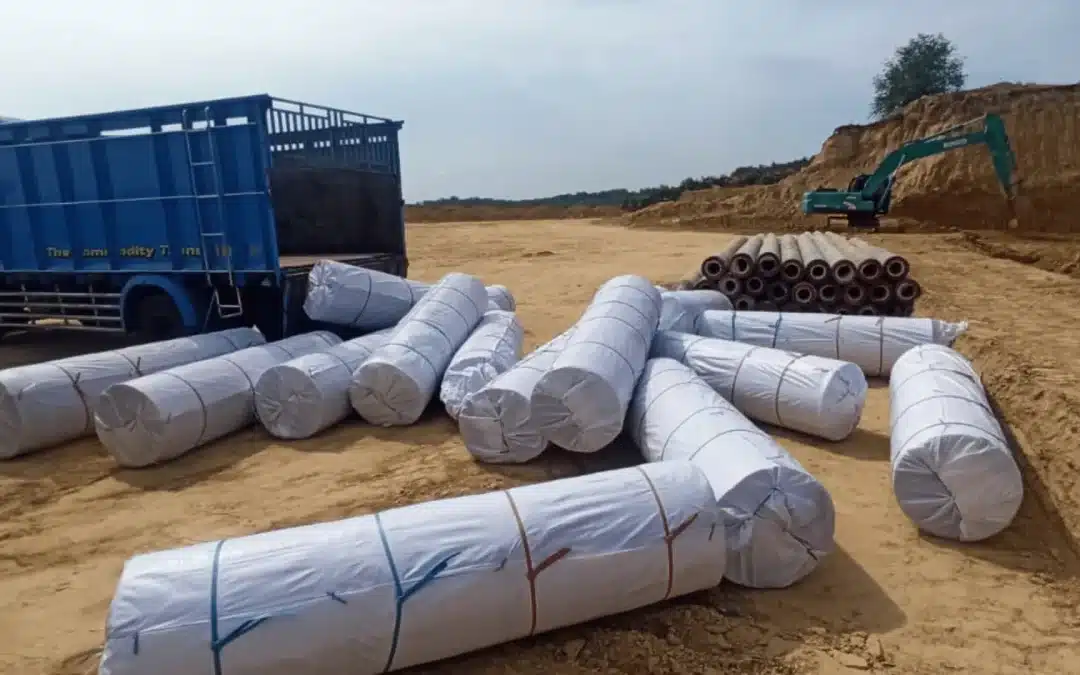
An installation guide for non woven geotextile drainage systems plays an important role in preventing drainage failures. Drainage channels that clog within a single rainy season often point to installation mistakes. Torn fabric, insufficient overlap, and mud contamination can all restrict water flow.
Therefore, workers must pay close attention to every installation stage. These stages include roll storage, trench preparation, fabric placement, and backfilling. Proper installation allows geotextile to perform its filtration function and keeps drainage aggregates clean.
Installation Guide for Non Woven Geotextile Drainage Systems Properly
Non woven geotextile is a geosynthetic material made from randomly arranged fibers rather than woven strands. Its porous structure allows water to pass through while retaining soil particles and preventing them from entering the aggregate layer.
In drainage systems, non woven geotextile helps maintain water flow and reduce the risk of clogging. However, its performance depends heavily on proper field installation. Workers must understand each installation stage, especially when using geotextile in drainage applications.
Check This Before You Start
Before starting the work, make sure all materials and equipment are available on-site. Proper preparation helps workers prevent fabric damage during installation.
First, keep geotextile rolls in their original packaging until workers are ready to use them. Place the rolls on pallets or protective supports rather than directly on the ground. Choose a dry storage area away from direct sunlight.
These storage practices follow the principles of ASTM D4873, which covers the identification, storage, and handling of geosynthetics. Intact packaging also protects the fabric from dust, mud, and physical damage.
Next, inspect the label on each roll. Check the product identification against the project specifications before installation. Make sure the selected product meets the project requirements to avoid material mismatches. If you are unsure whether the product suits your project, read our guide to choosing non woven geotextile for different project requirements.
In addition to geotextile, prepare clean, washed aggregates. Dirty aggregates may introduce mud and fine particles into the drainage system. Also prepare perforated pipes if the project design requires them.
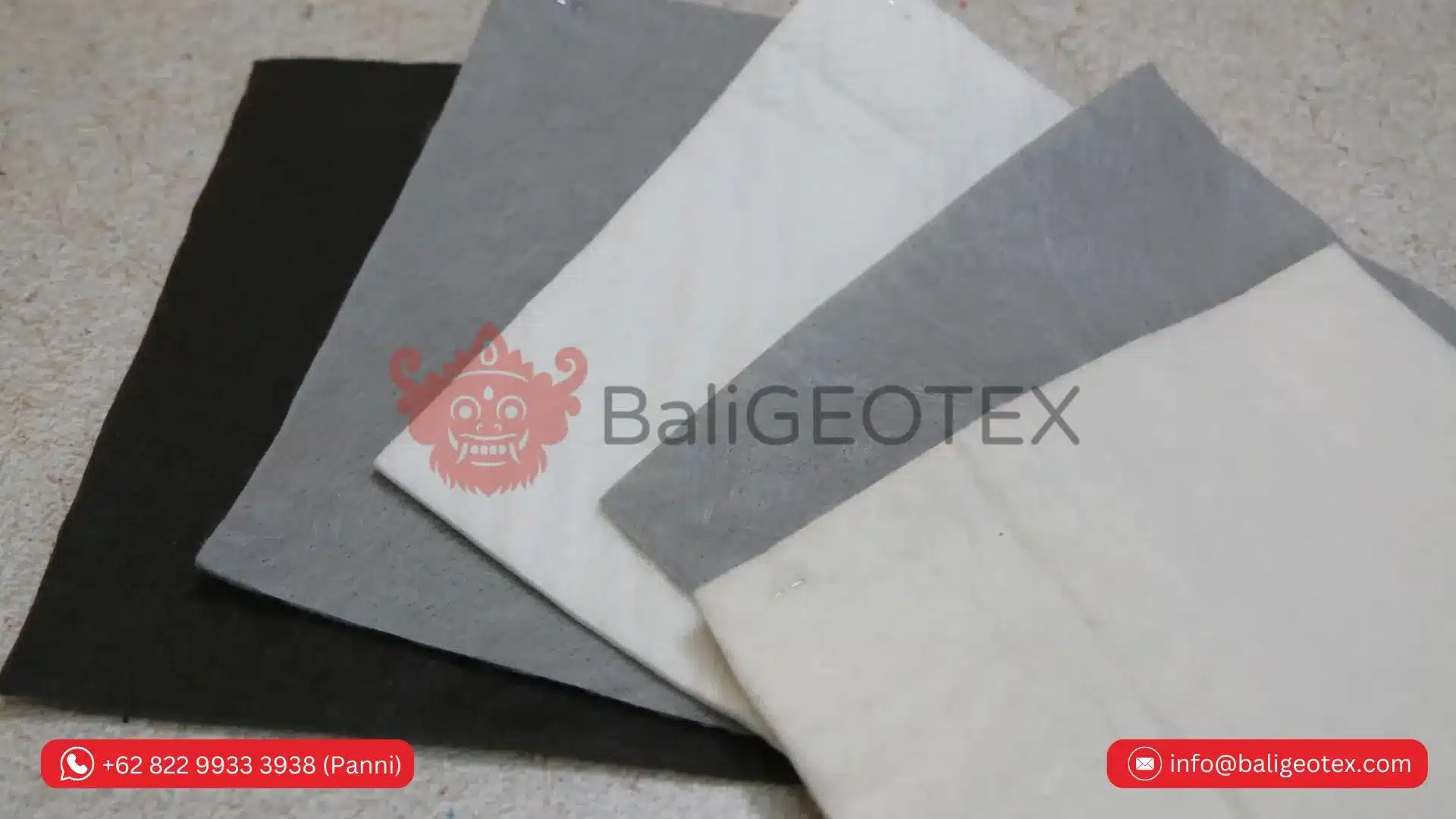
Step-by-Step Installation
Follow these steps to install geotextile properly and maintain drainage system performance.
- Dig the trench according to the width and depth specified in the construction drawings. Remove sharp stones, roots, branches, and other objects that could tear the fabric.
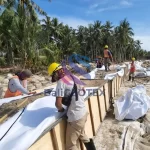
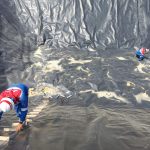
- Unroll the geotextile slowly along the trench without stretching it too tightly. Position the fabric against the trench bottom and sidewalls. Make sure it fits closely without gaps or large folds. Leave enough fabric on both sides of the trench to cover the aggregate later.
- When using multiple fabric rolls, provide a minimum overlap of 300 mm (12 inches). Arrange the longitudinal joints consistently in the direction of water flow. Make sure both fabric sheets cover each other without gaps.
- Spread clean aggregate across the trench bottom according to the planned elevation. If the project uses perforated drainage pipes, position them on top of the aggregate layer.
- Add aggregate gradually until it reaches the planned elevation. Use a low dumping height and avoid dropping materials directly from a high excavator bucket. Follow the maximum placement height specified in the product installation guidelines. Check the fabric position throughout the filling process to prevent shifting or tearing.
- Once the aggregate reaches the planned elevation, bring the remaining fabric from both trench sides toward the center. Cover the entire aggregate surface. Provide a minimum overlap of 300 mm between the fabric edges and make sure no gaps remain. This cover helps prevent soil from the backfill layer from entering the drainage aggregate.
- Use backfill materials that meet the project specifications. Compact the material gradually with suitable equipment. Never operate heavy machinery directly over exposed geotextile before placing a protective backfill layer. Inspect the covered fabric throughout the process to prevent shifting or tearing.
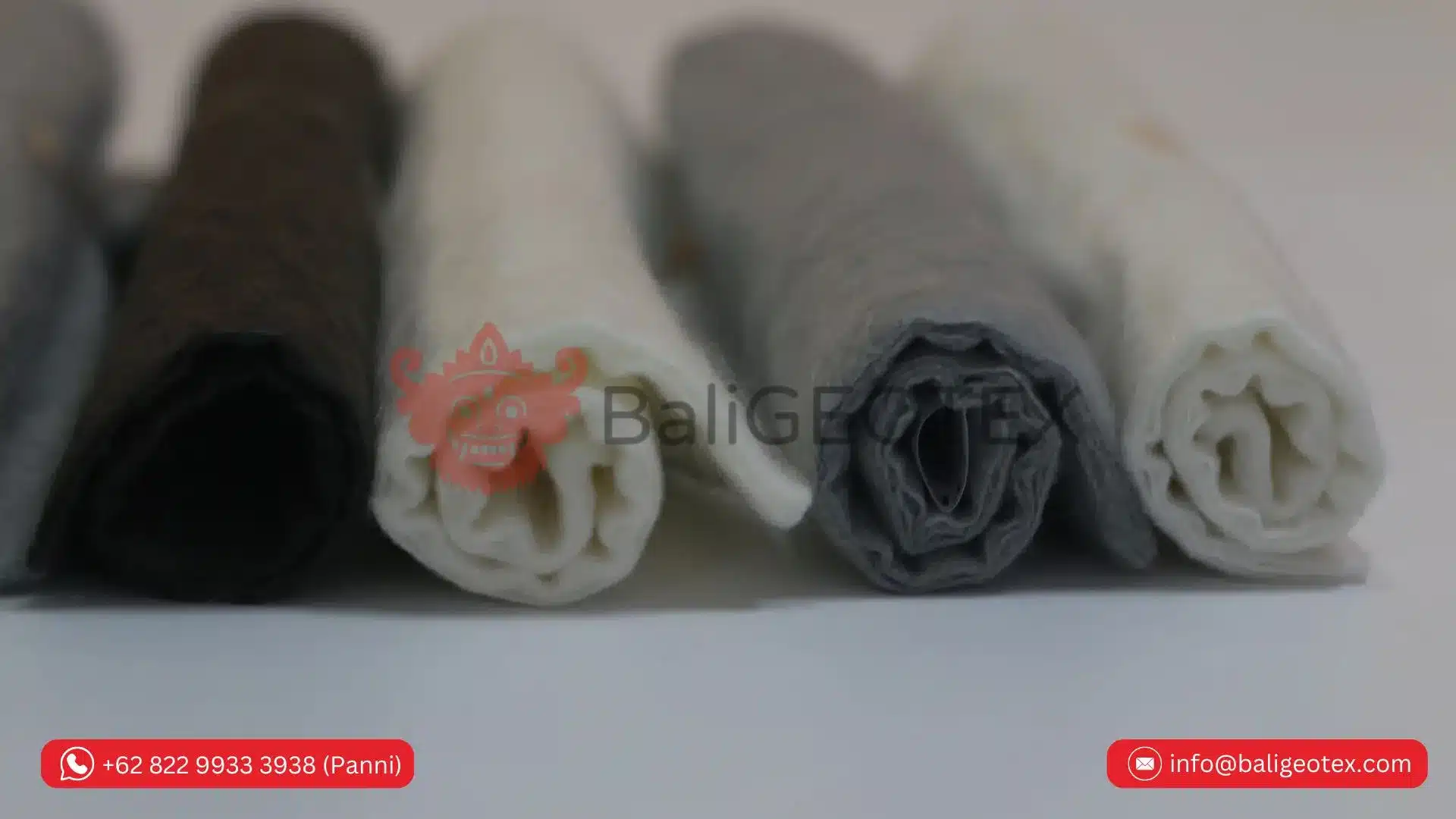
Common Installation Mistakes
Small installation mistakes can reduce drainage system performance. Therefore, site supervisors should check the following issues before completing the work.
- Mud contamination: Keep the geotextile surface clean throughout installation. If mud sticks to the fabric, clean the affected area according to the manufacturer’s instructions before covering it with aggregate.
- Insufficient overlap: Make sure every joint provides at least 300 mm of overlap or follows the product-specific requirements. Narrow joints may create openings that allow soil particles to enter the drainage layer.
- Prolonged sun exposure: Avoid leaving geotextile exposed to direct sunlight for several days. Continue installation and cover the fabric as soon as possible. Always follow the manufacturer’s UV exposure limits.
- Torn geotextile: Inspect the entire fabric surface before backfilling. If you find any tears, repair them using suitable materials and the manufacturer’s recommended repair method.
Careful inspections help workers identify and correct problems before backfill completely covers the geotextile layer. Successful non woven geotextile installation for drainage systems depends on careful fieldwork. Even high-quality materials require proper installation procedures to deliver optimal performance.
Before backfilling, check three essential points. The geotextile fits closely against the trench bottom and sidewalls, all overlaps meet the required width, and the fabric has no tears. By following this installation guide for non woven geotextile drainage systems, workers can reduce the risk of damage and clogging from the beginning of construction.
For more information about Geotextile Non Woven please contact: Whatsapp/Mobile Phone: +62 822 9933 3938 (Ms. Panni) or Email : info@baligeotex.com