Water causes most retaining wall failures, not heavy soil or weak blocks. Rain soaks the ground behind the structure and pushes hard against it. Geotextile fabric retaining wall layers stops fine soil from clogging drainage stone. That simple filter keeps water moving and protects the wall for decades.
What Is Geotextile Fabric Retaining Wall?
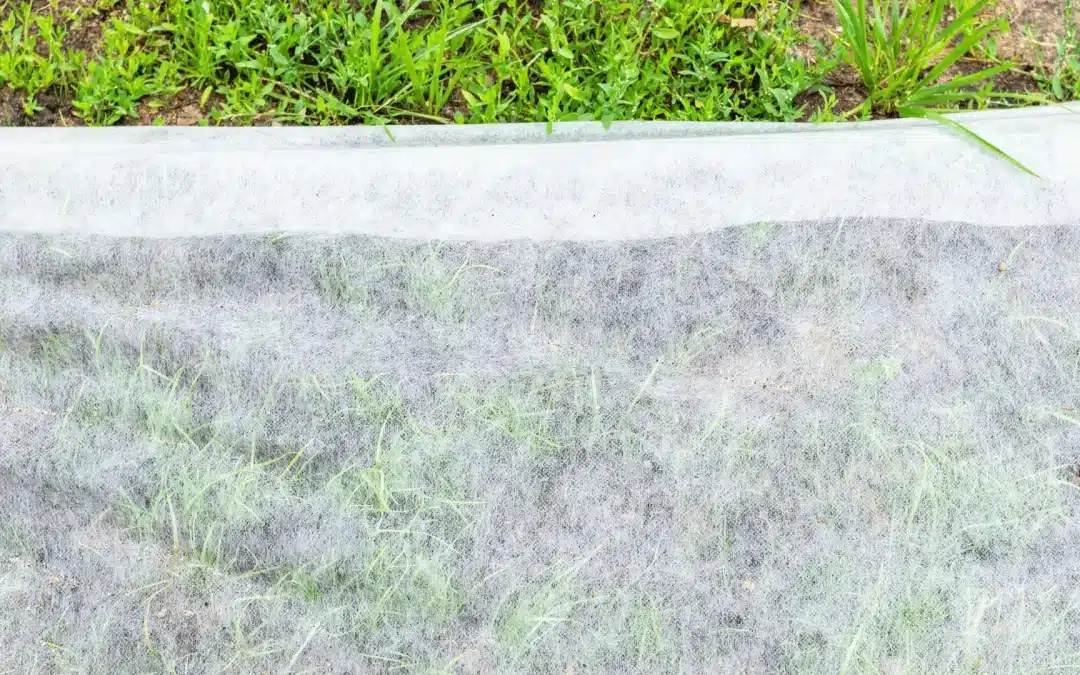
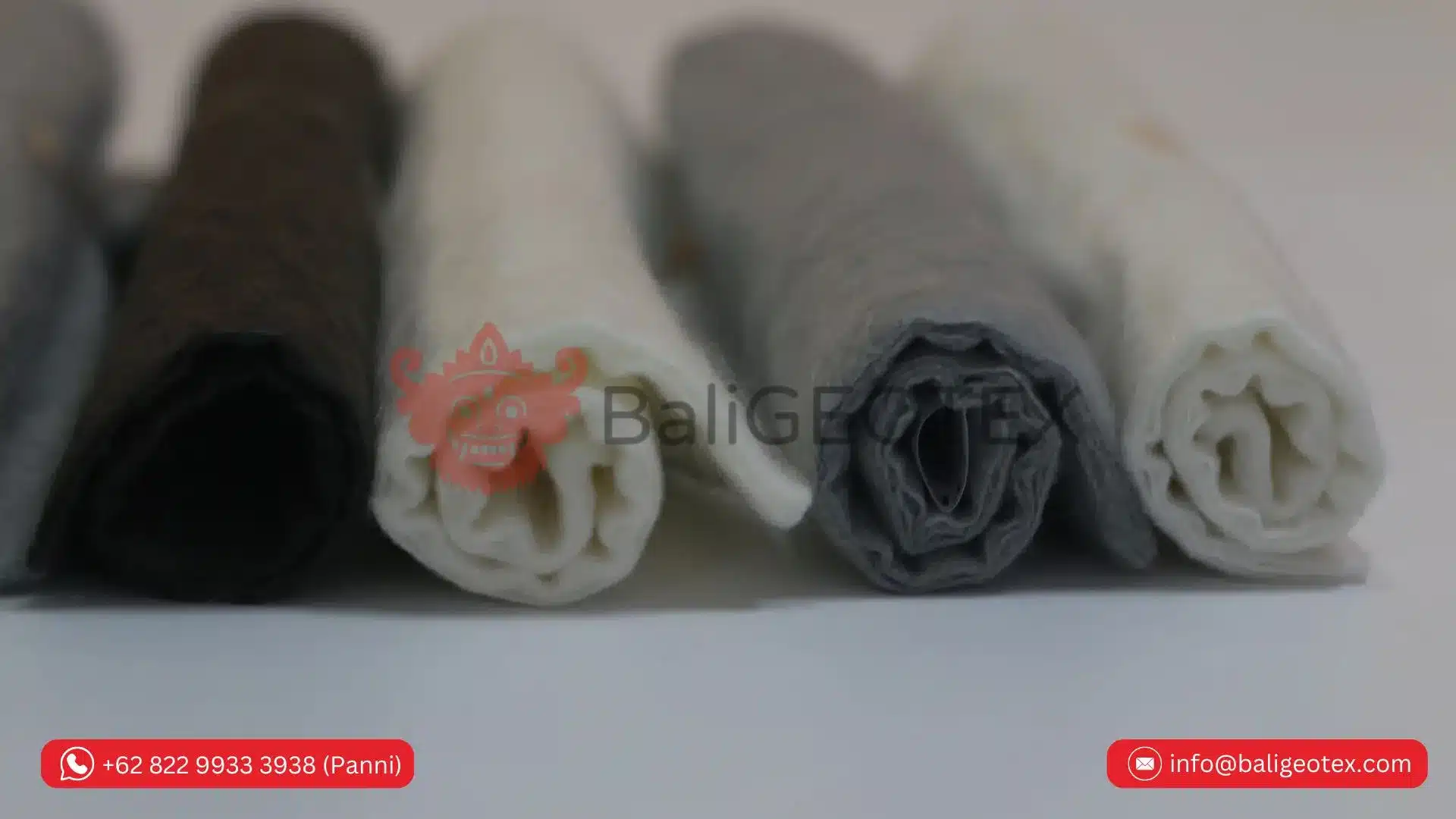
Geotextile fabric is a synthetic sheet made from polypropylene or polyester fibers. Factories needle-punch those fibers into a felt-like mat that drains well. The material resists rot, chemicals, and buried insects for many years. Its job sounds boring but saves thousands in repairs.
Woven vs Nonwoven Geotextile Fabric
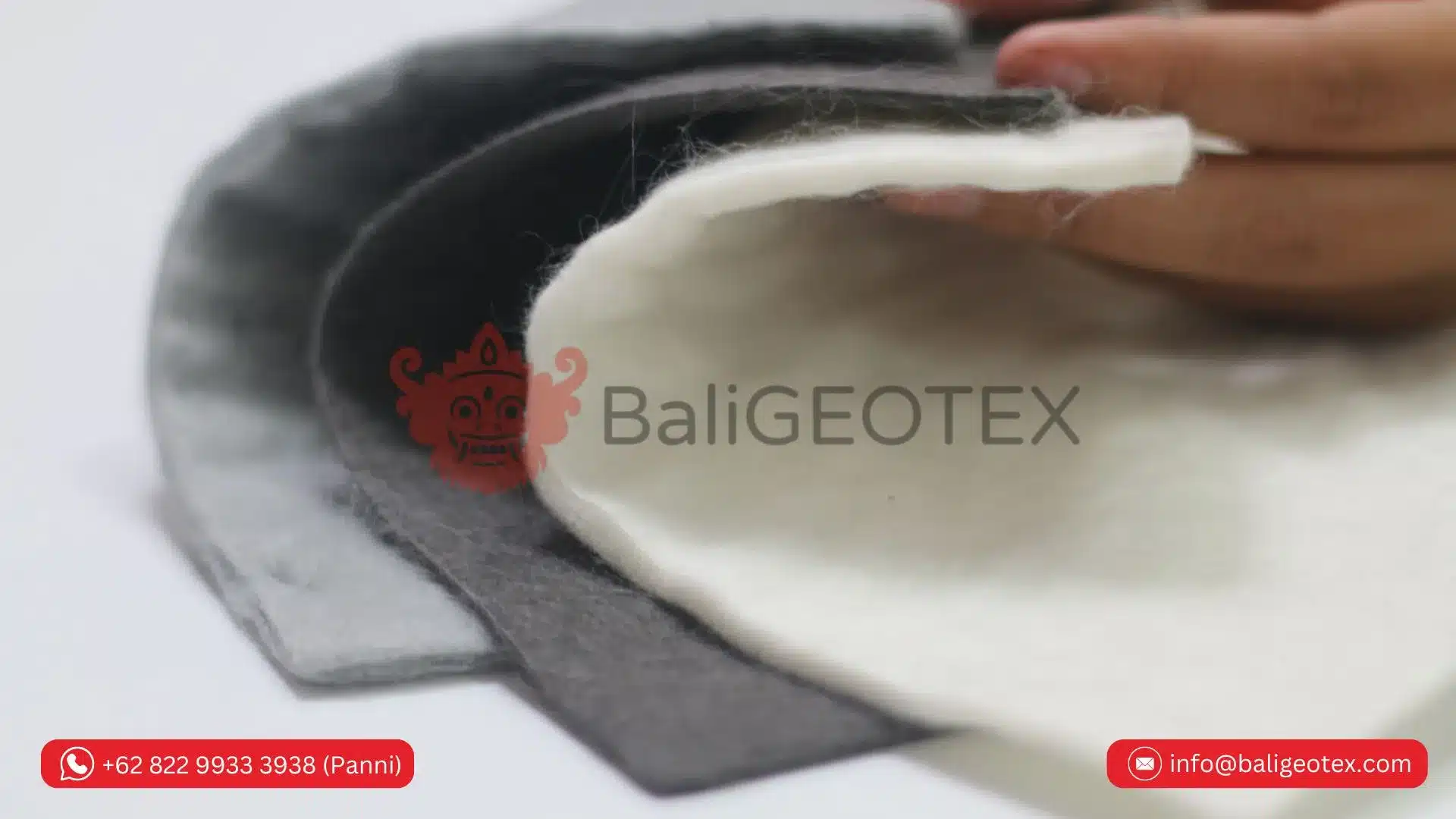
Woven fabric feels like thick plastic cloth with a tight, grid-like pattern. It works well under driveways but blocks too much water flow. Nonwoven geotextile fabric retaining wall sheets act like a coffee filter. Water passes through freely while tiny soil particles stay trapped outside. Contractors almost always pick nonwoven types for drainage and filtration jobs.
Tools and Materials
Gather clean crushed gravel, a perforated drain pipe, and sturdy landscape staples. Buy fabric by weight, since heavier grades handle tougher soil conditions. A geotextile fabric retaining wall project usually needs rolls around two hundred grams.
Prices for nonwoven rolls in Indonesia vary by gram weight and order size. In general, light-duty fabric runs a few dollars per square yard, while heavy-duty grades cost more.
How Much Fabric Do You Need?
Measure the wall length, then add the depth of the drainage zone. Multiply those numbers, then add fifteen percent for seam overlaps. Most suppliers sell rolls between one and six meters wide. Federal highway guidelines recommend twelve-inch overlaps for reliable long-term filtration performance.
Step-by-Step Installation
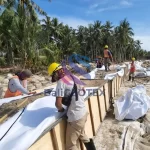
Start by digging a trench behind the wall line, leaving room for gravel. Level the base, then set the first row of blocks carefully. Line the back of the hole with geotextile fabric retaining wall sheets. Overlap each seam by at least twelve inches for strong filtration. Lay the perforated pipe at the bottom, sloping it toward an outlet.
Pour clean gravel behind each block course and compact every layer firmly. Staples hold fabric temporarily until gravel pins everything in place. Fold the extra material over the gravel top before adding soil. Finish with a cap that directs rainwater away from the structure.
Common Mistakes to Avoid
Never backfill with the dirt dug from the trench itself. Native clay holds water and slowly crushes the drainage zone. Cheap woven weed barriers fail quickly behind any tall structure. Skipping the fold-over invites topsoil to wash straight into the gravel.
Remember, geotextile fabric retaining wall layers filter water but never reinforce structure. Tall walls need geogrid and often an engineer’s stamp before construction starts. Many jurisdictions require permits once walls pass roughly four feet in height.
Maintenance Tips
Check the wall face each spring for cracks or leaning sections. Keep gutters and downspouts pointed away from the structure above. Small fixes early prevent expensive drainage repairs
A geotextile fabric retaining wall lasts longer when water leaves faster than pressure builds. Choose nonwoven geotextile from Baligeotex as a reliable barrier between different soil layers and aggregates, preventing intermixing and maintaining the structure’s integrity.
For more information about Geotextile Non Woven please contact: Whatsapp/Mobile Phone: +62 822 9933 3938 (Ms. Panni) or Email : info@baligeotex.com