Understanding how to use geotextile bags for coastal erosion control is important for selecting the right materials, preparing the installation area, and arranging the bags correctly. When properly designed and installed, this system can help protect vulnerable coastal areas while providing a practical alternative to some conventional shoreline protection structures.
How to Use Geotextile Bags for Coastal Erosion Control
Understanding how to use geotextile bags for coastal erosion control involves several important steps. Proper preparation and installation help improve the stability of the structure and reduce the risk of premature damage.
Assess the Coastal Conditions
The first step is to evaluate the shoreline and identify the main causes of erosion. Factors to consider include wave height, tidal range, currents, soil conditions, slope stability, and the rate of shoreline retreat.
A site assessment also helps determine whether geotextile bags are suitable for the location. Areas exposed to strong waves, storm surges, or severe currents may require specialized engineering design or a different coastal protection system.
Select Suitable Geotextile Bags
Choosing the right geotextile bags is essential for long-term performance. The material should have sufficient tensile strength, puncture resistance, and durability for the expected environmental conditions.
UV resistance is also important when parts of the bags may be exposed to sunlight. The selected geotextile should be appropriate for the intended application, taking into account exposure to seawater, abrasion, and potential damage during handling.


Prepare the Installation Area
Before installing the bags, remove loose debris, sharp objects, and unsuitable vegetation that could damage the geotextile. The foundation should be prepared to provide adequate support and reduce the risk of uneven settlement.
Depending on the site conditions, the design may require a prepared bedding layer, a filter layer, or additional foundation protection. These components can help limit soil loss beneath the structure and reduce the risk of undermining.
Fill the Geotextile Bags Correctly
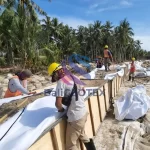
Geotextile bags are filled with suitable material according to the manufacturer’s specifications and engineering requirements. Sand is commonly used, but the appropriate filling material depends on the bag design and the intended coastal application.
During filling, ensure that the material is distributed evenly and that the bags achieve the required shape and dimensions. Overfilling can place excessive stress on seams and fabric, while underfilling may cause the bags to deform or shift more easily.
Arrange the Bags in the Designed Configuration
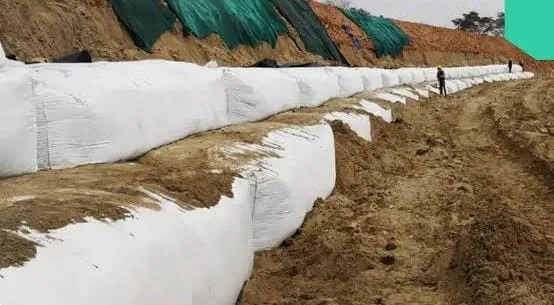
Place the filled geotextile bags according to the approved layout. Depending on the design, they may be arranged in staggered layers to improve interlocking and reduce the likelihood of movement.
The base layer must provide stable support, while the upper layers should follow the specified slope and alignment. Proper positioning helps distribute wave forces across the structure and reduces gaps that could allow water to concentrate in vulnerable areas.
The arrangement, number of layers, slope angle, and crest elevation should be determined through engineering assessment. These details should not be standardized without considering local wave and tidal conditions.
Geobag revetment can be an effective solution for coastal erosion control when designed and installed according to site conditions. By understanding how to use geotextile bags for coastal erosion control, project planners can select suitable materials, prepare stable foundations, arrange the bags correctly, and implement regular maintenance to support long-term performance.
For more information about Geobag please contact: Whatsapp/Mobile Phone: +62 822 9933 3938 (Ms. Panni) or Email : info@baligeotex.com