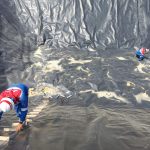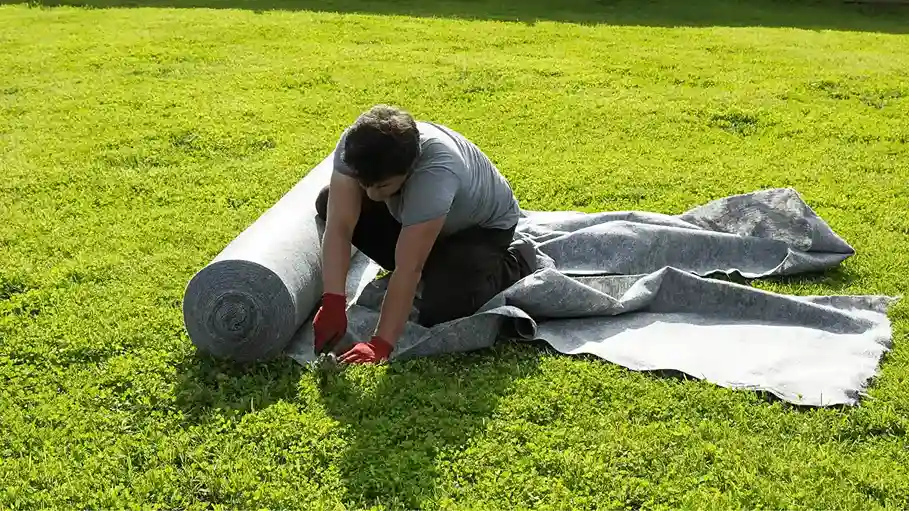
How to choose the right geotextile fabric for landscaping projects is crucial for the garden’s success and durability. Each green space has unique soil characteristics and environmental load requirements. Using the wrong geosynthetic fabric can lead to erosion, drainage clogging, or soil structural failure.
Understanding How to Choose the Right Geotextile Fabric for Landscaping Projects
How to choose the right geotextile fabric for landscaping projects material types is the first step in product selection. Generally, these materials fall into two main categories: non-woven and woven.
Non-woven fabrics are produced without weaving, instead bonding synthetic fibers together. This type features fine pores and high permeability. These characteristics make non-woven fabrics ideal for garden filtration and drainage systems. Consequently, material selection must align with specific technical requirements on-site.
Woven fabrics are created by systematically weaving synthetic yarns. This type offers exceptional tensile strength. These characteristics make it suitable for stabilizing subgrades that must bear heavy loads, such as pathways or parking areas.
Considering Primary Functions in Landscape Design
Landscaping projects involve several distinct technical functions. Identifying the primary function simplifies the selection of the appropriate fabric type.
Filtration and Drainage Functions
Rainwater must permeate the soil smoothly without carrying fine particles. Non-woven fabric retains soil particles, preventing them from clogging drainage channels. Water flows freely without damaging the garden’s top layer.
Separation Function
Outdoor landscaping often involves a mix of soil, sand, and gravel. Without a barrier, these materials would mix over time due to loads or water flow. Geosynthetic fabric acts as a separator, keeping each material layer neatly distinct.
Weed Prevention Function
Wild weed growth can detract from the beauty of ornamental plants. Installing fabric beneath a layer of mulch or gravel inhibits weed growth. It blocks sunlight while allowing air and water to penetrate the soil.
Matching Fabric Weight and Thickness
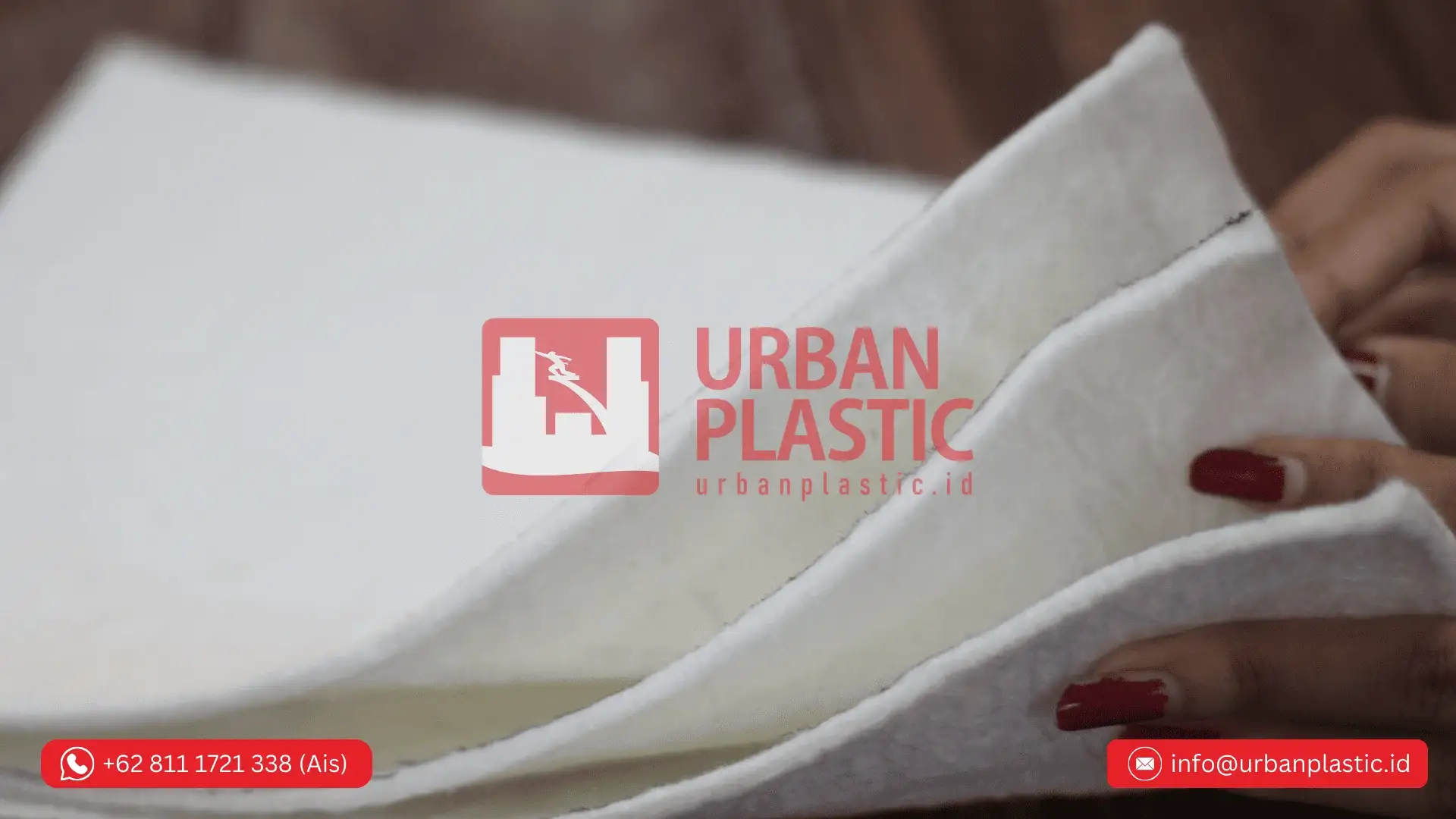
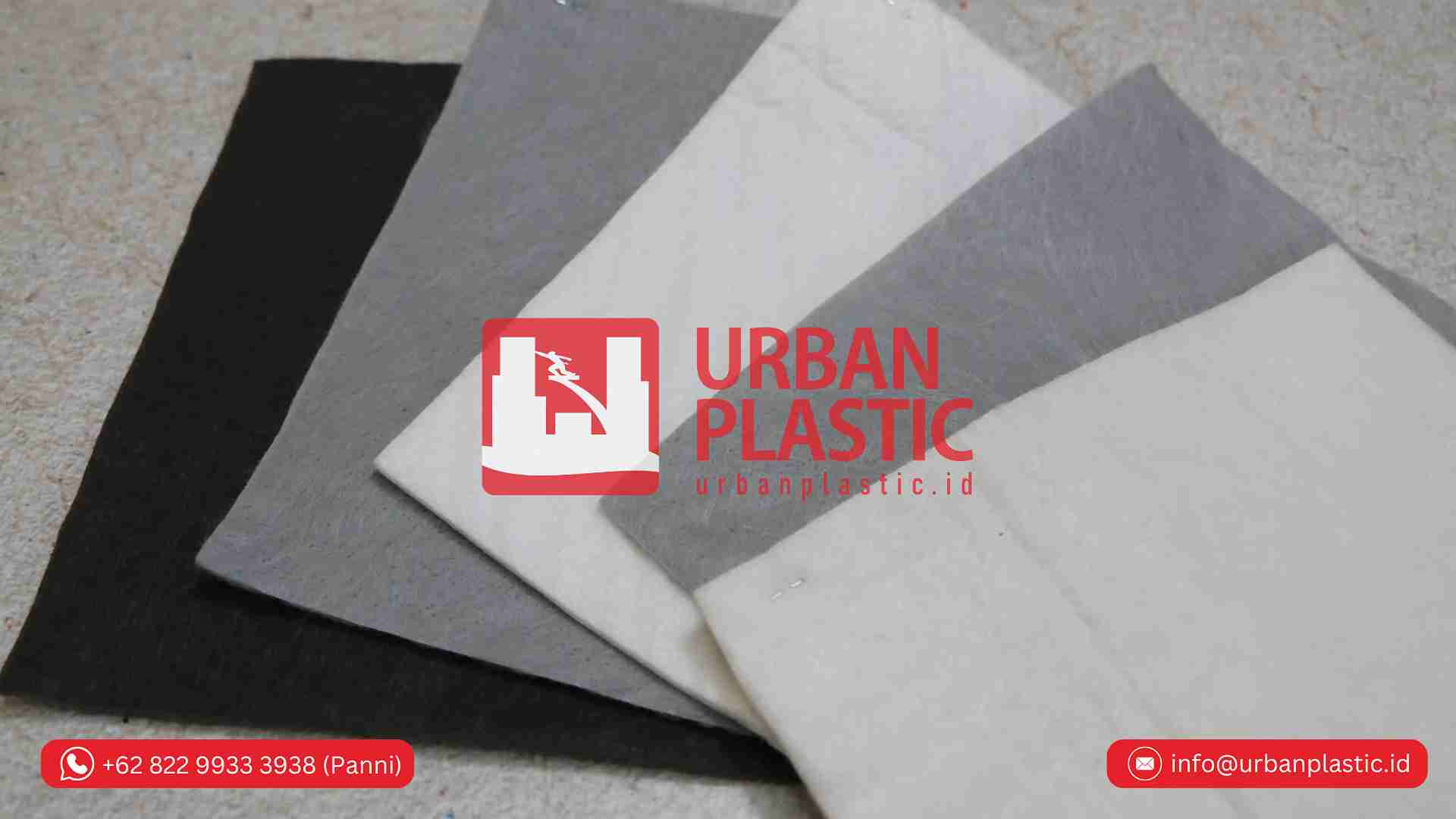
Fabric weight (grammage) refers to the material’s mass per square meter. This value is directly proportional to the fabric’s thickness and mechanical strength. Lightweight fabrics are highly flexible and easy to install. They are suitable for weed barriers, potted plant arrangements, and small-scale garden drainage. Heavier fabrics offer high tear resistance. These are highly recommended for walkways, rooftop gardens, or erosion-prone slopes.
Assessing Thickness and Environmental Durability
Before purchasing, it is essential to verify the product’s resistance to external factors. High-quality fabrics are made from select polypropylene or polyester fibers, materials that withstand soil microorganisms and chemical exposure. Resistance to direct sunlight is another crucial factor. Products featuring UV protection (UV coating) do not become brittle easily when installed in open areas.
Aligning with Project Area and Budget
Choosing high-quality materials ensures your landscaping investment lasts for years. Reliable materials minimize maintenance costs and the risk of future repairs. Using the appropriate supporting geosynthetics keeps drainage channels clear over time. It also maintains the stability of the surrounding soil, protecting it from waterlogging during heavy rainfall.
Selecting the how to choose the right geotextile fabric for landscaping projects results in a neat, robust, and durable garden layout. Specific filtration, separation, and weed-prevention needs require the right material specifications. Ensure the success of your landscaping project by purchasing high-quality, trusted geosynthetic products directly from BaliGeotex.
For more information about Geotextile Non Woven please contact: Whatsapp/Mobile Phone: +62 8173 91338 (Ms. Agnes) or Email : info@baligeotex.com