Coastline damage due to erosion is a growing concern in various infrastructure and environmental conservation projects. Ocean waves, tidal currents, and human activities can accelerate sediment loss and damage coastal ecosystems. In recent years, geotextile tube for erosion control has become increasingly used as an effective and environmentally friendly coastal engineering solution.
One manufacturer offering this technology is BaliGEOTEX, which develops high-strength geotextile tubes or geotubes for various sediment control and shoreline protection projects.
The Role of Geotextile Tube for Erosion Control
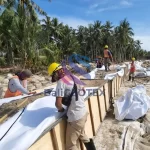
In coastal engineering projects, geotextile tubes are often used for shoreline protection and beach nourishment. These tubes are usually filled with sand or other suitable materials, then arranged to form structures such as artificial dunes or wave barriers.
The main functions of the geotube for erosion control include:
- Resisting Ocean Waves: The tube structure can dampen wave energy, thereby reducing the impact of abrasion on the shoreline.
- Stabilizing the Shoreline: By retaining sediment, geotextile tubes help maintain the stability of the shoreline and prevent soil loss.
- Protecting Coastal Infrastructure: The use of geotextile tubes can protect roads, settlements, ports, and other coastal facilities from erosion damage.
- Preserving Natural Habitats: In addition to protecting the soil, this technology also helps maintain coastal ecosystems such as mangroves and marine life habitats.

What is a Geotextile Tube?
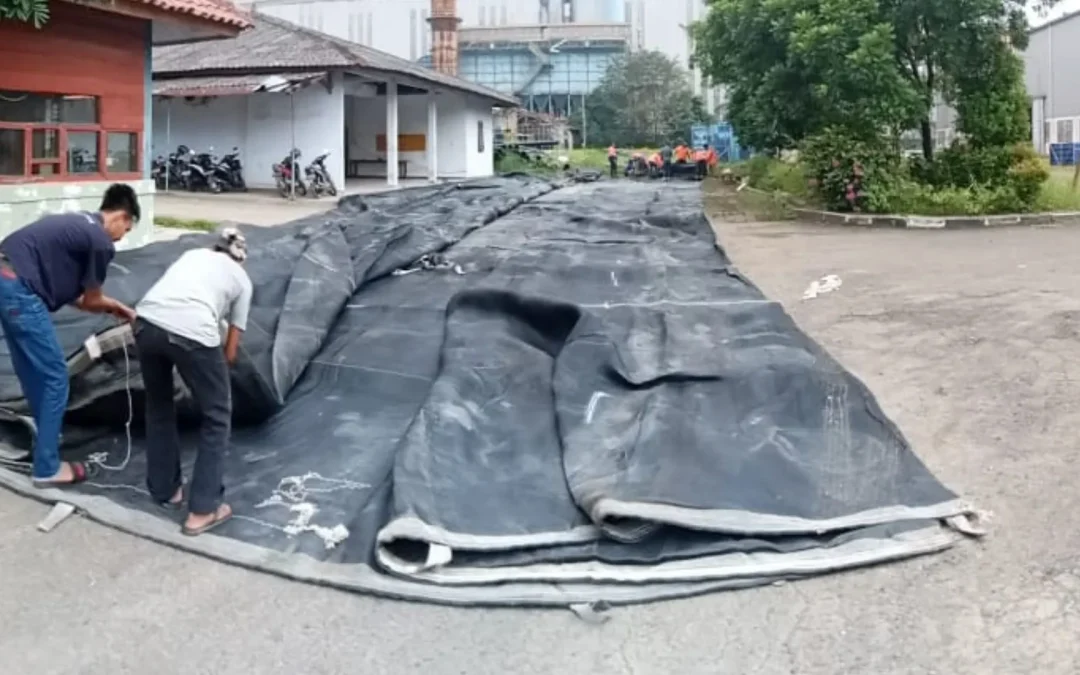
A geotextile tube is a tubular container made of a special geotextile with high strength and permeable properties. This material is designed to allow water to escape while retaining solid particles within the tube.
When the tube is filled with mud, sand, or other sediment, water gradually escapes through the pores of the textile. This process allows the material inside the tube to dry and harden, forming a stable structure.
The main characteristics of geotextile tubes include high-strength textile material, permeable properties for dewatering, flexible yet stable structure, and resistance to coastal environmental conditions. This combination of properties makes geotextile tubes highly effective in erosion control and sediment management projects.
Design Flexibility for Various Projects
One of the main advantages of geotextile tubes is their ability to adjust the size and shape to suit project needs. Geotextile tubes can be adapted to the geographic conditions of a project site, adapting to various coastal characteristics. Furthermore, the installation process is relatively efficient because the tube structure can be systematically installed according to project requirements.
This technology can also be used in various types of sediment management projects, both small-scale and larger coastal engineering projects. Because it can be specifically designed according to needs, the application of geotube for erosion control can be a precise solution.

Long-Term Solutions for the Coastal Environment
In coastal protection and land reclamation projects, geotextile tubes serve more than just a temporary solution. This technology is designed to provide long-term protection against soil erosion and habitat loss.
With proper installation, geotextile tube structures can last a long time and maintain the stability of the coastal landscape. Furthermore, the use of geotextile materials allows for a more environmentally friendly approach than massive concrete structures.
The use of geotextile tube for erosion control is increasingly demonstrating its role as a crucial technology in modern coastal engineering. With their high-strength material, flexible design, and effective sediment retention capabilities, geotextile tubes are a reliable solution for protecting coastlines.
For more information about Geotube please contact: Whatsapp/Mobile Phone: +62 822 9933 3938 (Ms. Panni) or Email : info@baligeotex.com