Coastal infrastructure and wet waste management projects in Indonesia are expanding rapidly. Various industries are now seeking sludge treatment techniques that are both cost-effective and environmentally friendly. Amidst this demand, the use of geotube dewatering methods has become a hot topic among construction and environmental practitioners.
This filtration technology, based on high-strength geotextile materials, is capable of efficiently separating solid sediment from water. The method has proven effective in significantly minimizing damage to local ecosystems. Furthermore, the product is made from high-quality materials, ensuring durability and environmental friendliness. The sediment retained within the product can be recycled, thereby reducing environmental impact and contributing to the preservation of natural ecosystems.
Understanding How Geotube Dewatering Methods Work
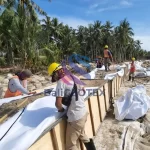
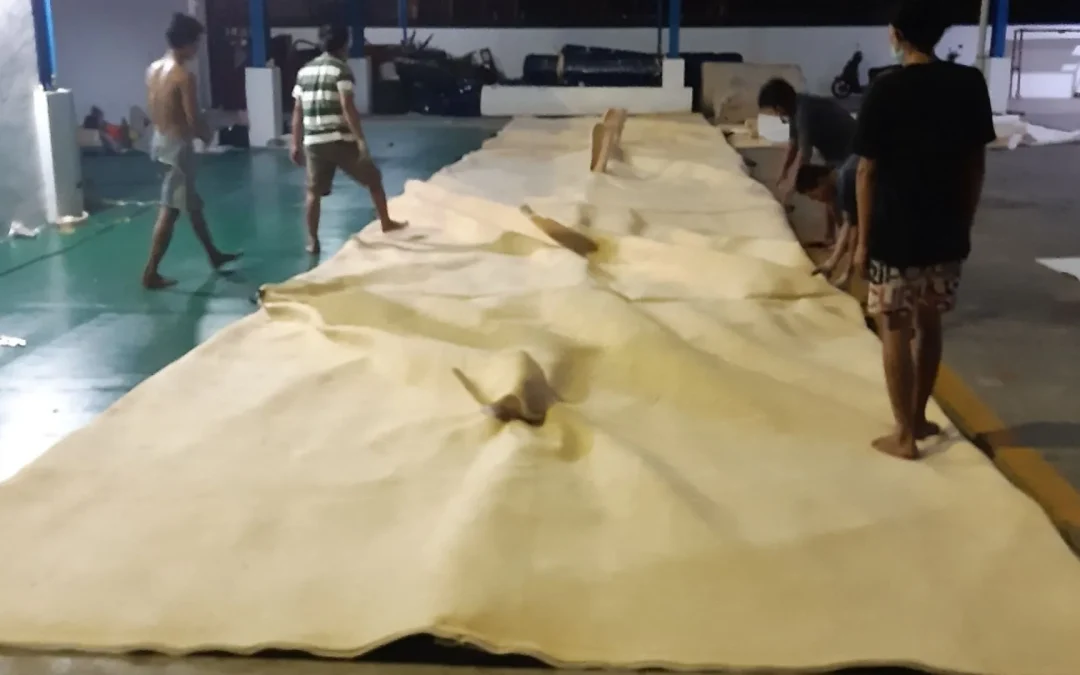
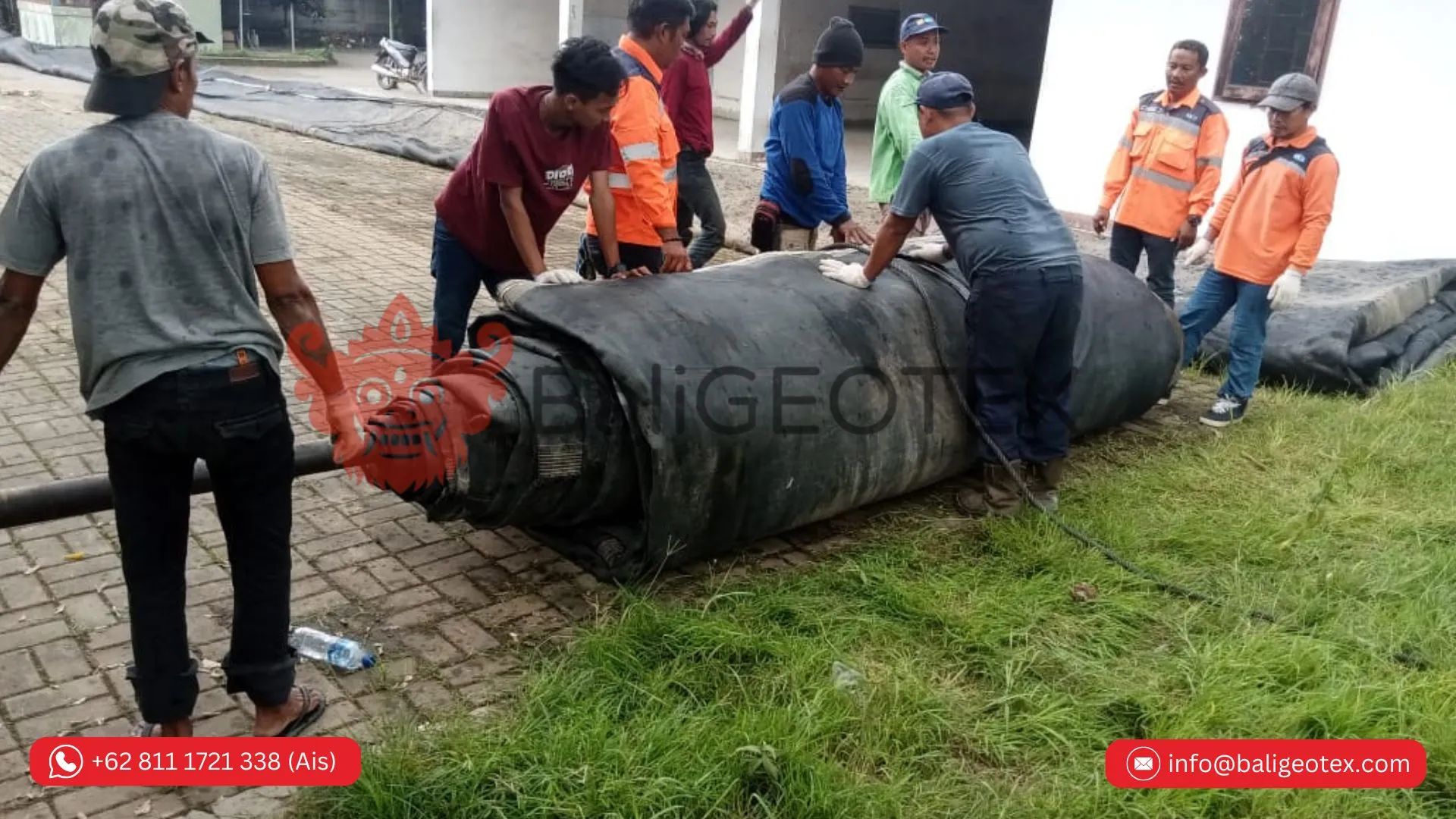
A geotube (or geotextile tube) is a giant tube- or bag-like structure made from synthetic geotextile material (typically polypropylene or polyester) that features a robust texture and specialized pores. This structure retains solid materials inside while allowing water to escape through the fabric’s pores (dewatering). One of the primary applications of this product is dewatering: it contains wet sludge, industrial waste, or river/marine sediment, separating the water from the solids to make the waste easier to manage.
The sludge separation process using this geotextile bag method relies on a pressurized filtration system. Wet sludge is pumped directly into a massive, tube-shaped structure made of specialized synthetic fabric. Before entering the tube, the sludge is mixed with a flocculant, a chemical agent that causes particles to clump together. These substances bind fine particles within the sludge, enabling rapid separation from the water and optimizing the dewatering rate. Workers then pump the accumulated sludge into the geotextile tube. Clean water flows out through the fabric’s pores, while the tube structure retains all solid material. The filtered water is safe for discharge into surrounding water bodies.

Key Advantages of Geotube Dewatering in the Field
Implementing geotextile tube-based dewatering methods significantly enhances the efficiency of water cleanup and coastal projects. Key advantages of using geotubes include:
- Space-saving and Efficient: Unlike conventional containment methods (such as sludge drying beds) that require extensive drying areas, geotextile tubes fit easily within limited spaces.
- Significant Waste Volume Reduction: They optimally separate water from solids, drastically reducing waste volume and weight, which in turn lowers final disposal and transportation costs.
- Faster Dewatering Process: The combination of pump pressure, flocculant usage, and specialized geotextile pores enables a rapid and continuous water separation process.
- Cleaner Filtered Water: The fabric pores effectively retain solid particles, ensuring the discharged water meets standards for environmental release or reuse.
- Resistant to Weather and Extreme Conditions: Made from specialized synthetic materials such as polypropylene that withstand UV exposure, chemical reactions, and mechanical abrasion in the field.
- Environmentally Friendly: Prevents secondary pollution risks by securely containing solids within sealed bags, avoiding odors or leakage into the surrounding soil.
Proper application of geotube dewatering methods offers a practical solution to current challenges regarding wet waste and coastal erosion. This modern method is not only cost-efficient but also supports the sustainability of the ecosystem surrounding the project site. Selecting high-quality geotextile material is crucial to the success of the entire dewatering operation. For more information about Geotube / Geotextile Tube please contact: Whatsapp/Mobile Phone: +62 822 9933 3938 (Ms. Panni) or Email : info@baligeotex.com