The problems of erosion and environmental damage are now serious concerns in the construction world. Many infrastructure projects require not only strength but also environmental friendliness. In this context, geotextile sand bags, or geobags, are an innovation that addresses these needs.
Products like those developed by BaliGEOTEX are increasingly used because they combine structural strength with a sustainable approach. With the ability to resist erosion while supporting vegetation growth, geobags offer a new approach to maintaining the balance between development and the environment.
What Are Geotextile Sand Bags?
Geotextile sand bags are flexible bags made from geotextile materials such as polypropylene, polyester, or coconut fiber. These bags are filled with local materials such as sand or soil, making them more economical and easy to apply in various field conditions.
The main advantage of geobags lies in their ability to adapt to the shape of the land surface. This flexibility makes them ideal for erosion control projects, shoreline protection, and infrastructure development in areas with unstable contours.
Advantages of Geobags in Construction and the Environment
The use of sand geobags offers various benefits that make them a superior choice in the modern construction sector.
High Adaptability
Geobags are able to adapt to dynamic soil conditions. This flexible structure reduces the risk of cracking or damage to the retaining system. Therefore, this material is very helpful in maintaining soil stability.
Environmentally Friendly
One of its main advantages is its ability to support vegetation growth. Plants can grow directly on top of the geobag, with roots penetrating the structure. This creates natural stability while strengthening the surrounding ecosystem.
High Durability
Geotextile materials are designed to withstand UV exposure, chemicals, and extreme environmental conditions. In fact, some specifications can last up to 36 years, making them a long-term investment.
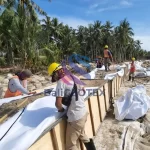
![geotextile bag / geobag merk BaliGEOTEX[4]](https://indonesiageotextilefabric.com/wp-content/uploads/2026/02/91_1_11zon.webp "geotextile bag / geobag merk BaliGEOTEX[4]")
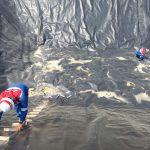
![geotextile bag merk BaliGEOTEX[6]](https://indonesiageotextilefabric.com/wp-content/uploads/2026/02/geobag-merk-BaliGEOTEX-8_4_11zon.webp "geotextile bag merk BaliGEOTEX[6]")
Variety of Materials to Meet Project Needs
Geotextile sand geobags come in several material options that can be tailored to project needs.
- Polypropylene is known for its strength and resistance to chemical reactions and UV light.
- Polyester has high tensile strength and is resistant to acids and solvents.
- Coconut fiber is a natural and biodegradable option, ideal for environmental restoration projects.
This material selection provides flexibility to meet technical needs and sustainability concerns.
Specifications and Field Applications
In practice, geobags are differentiated based on their intended use, such as coastal areas and rivers.
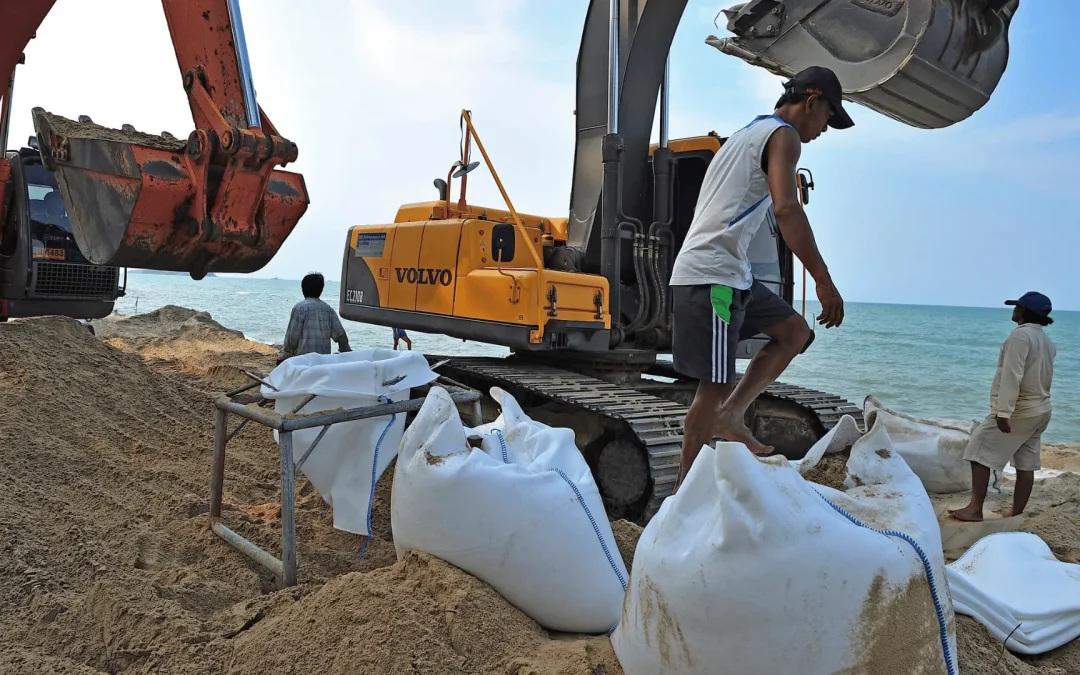
For coastal areas, larger geobags, approximately 1.45 m x 2.4 m, offer high resistance to waves and abrasion. Meanwhile, the river variant is smaller and lighter, making it effective for managing water overflows or flash floods.
Both types are UV-resistant for decades, ensuring optimal long-term performance. Applications include coastal protection, slope stabilization, and foundation construction in swampy areas.
The use of geotextile sand bags demonstrates that modern construction can go hand in hand with environmental conservation. With their flexibility, durability, and ability to support ecosystems, geobags are a relevant solution to today’s infrastructure challenges. As part of innovations such as those developed by BaliGEOTEX, geobags offer not only technical strength, but also a sustainable approach that is increasingly needed in the future.
For more information about Geobag please contact: Whatsapp/Mobile Phone: +62 822 9933 3938 (Ms. Panni) or Email : info@baligeotex.com