In modern construction, the durability comparison of woven vs non woven geotextiles is crucial for civil project success. Choosing the right geosynthetic type determines the lifespan of the underlying soil structure. These two materials possess very different mechanical characteristics. Indonesia Geotextile Fabric provides both solutions for various infrastructure needs.
Understanding Basic Characteristics Through Durability Comparison of Woven vs Non Woven Geotextiles
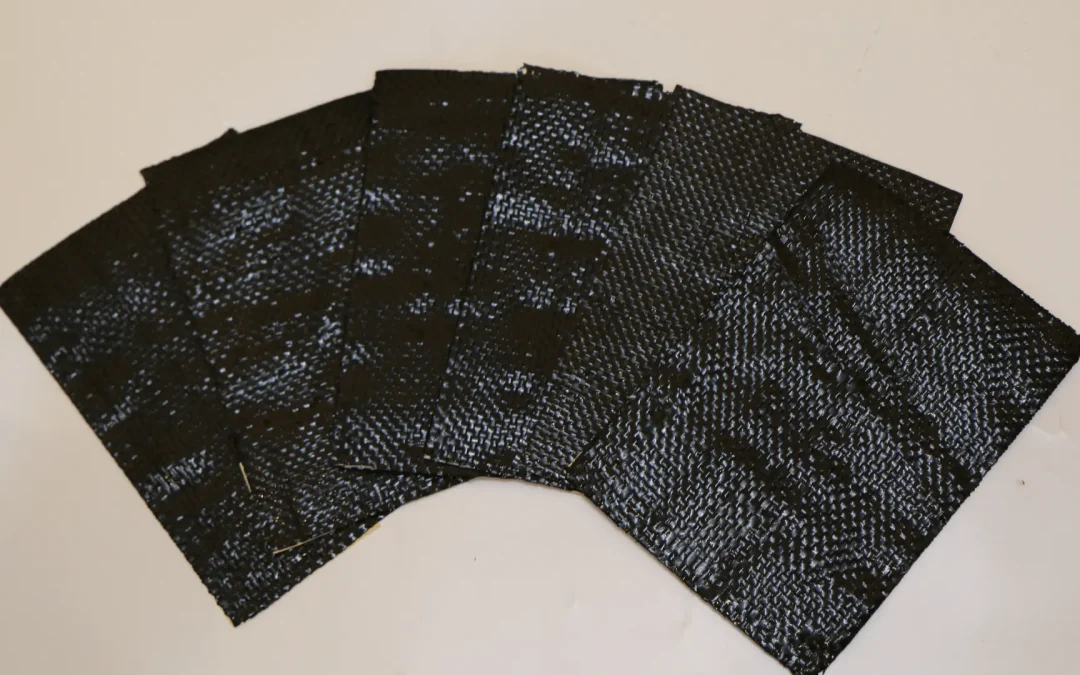
Woven geotextile is made by tightly weaving high-quality polypropylene (PP) or polyester yarns. This dense structure is engineered to provide exceptional mechanical strength. The fabric is also coated with UV stabilizers to withstand sunlight. Product orders can be placed directly through the official Indonesia Geotextile Fabric website.
Meanwhile, the non woven type features a unique structure without any weaving process. This material is manufactured using eco-friendly recycled materials. The production process utilizes the needle-punch method to form fabric pores. This process results in excellent hydraulic performance for drainage systems.
Tensile Strength and Elongation
Based on ASTM D4595 testing, the durability comparison of woven vs non woven geotextiles is measured by tensile strength. The 300gsm woven variant achieves a maximum tensile strength of 56.2 – 65.1 kN/m. This figure is significantly higher compared to the non woven type. Its strong woven structure enables it to withstand heavy structural loads.
Conversely, the non woven type excels in terms of elongation performance. The elongation value for non woven geotextiles ranges from 50% to over 75%. This flexibility prevents the non woven material from breaking easily during soil movement. High elongation capability is vital for maintaining soil integrity.
![Woven Geotextile merk BaliGEOTEX[1]](https://indonesiageotextilefabric.com/wp-content/uploads/2026/02/Woven-Geotextile-BaliGEOTEX-4_10_11zon.webp "Woven Geotextile merk BaliGEOTEX[1]")
Puncture and Environmental Resistance
Regarding standard ASTM D6241 puncture resistance, both products demonstrate reliable protection performance. The 300gsm woven type delivers static puncture resistance up to 8.1 kN. Meanwhile, the 300gsm PP non woven type reaches 3060 N. Both effectively prevent damage from sharp aggregate stone friction.
For environmental resistance, the woven type is enhanced with a special UV stabilizers formula. This protection shields the material from sun damage during installation. The non woven type also possesses 50% to 70% UV resistance. Non woven fabric is highly resistant to biological degradation and soil chemicals.
Estimated Project Lifespan
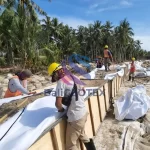
Under normal conditions, high-quality woven geotextiles can last between 25 to 50 years. Using this material significantly reduces long-term project maintenance costs. This durability makes it a highly efficient investment for vital infrastructure. Proper installation by professionals will maximize the fabric service life.
The non woven type also offers premium durability in drainage system applications. This material effectively prevents soil particle clogging in discharge pipes. Its fiber flexibility helps maintain water flow performance over a long period. Consequently, the soil structure above remains stable and secure.
![Woven Geotextile merk BaliGEOTEX[4]](https://indonesiageotextilefabric.com/wp-content/uploads/2026/02/Geotextile-woven-merk-BaliGEOTEX_7_11zon.webp "Woven Geotextile merk BaliGEOTEX[4]")
Conclusion
Both options from Indonesia Geotextile Fabric ensure long-term stability for various engineering applications. Choosing the appropriate material depends entirely on the specific structural demands of the site. Investing in these certified geosynthetics guarantees the overall safety of the infrastructure. Professional guidance helps determine the most durable solution for any environmental condition.
The final durability comparison of woven vs non woven geotextiles shows each product has its own advantages. The woven type is highly suitable for road loads and landslide areas. Meanwhile, the non woven type is optimal for water filtration and landfill capping. Contact the Indonesia Geotextile Fabric team immediately to get the best product for your project.
For more information about Geotextile Woven please contact: Whatsapp/Mobile Phone: +62 822 9933 3938 (Ms. Panni) or Email : info@baligeotex.com