Do you need geotextile under pavers? The answer is yes. However, you must consider and adapt to the specific conditions or environment of the project.
Installing geotextile can enhance the surface’s stability and lifespan. This technique is suitable for patios, walkways, driveways, and high-load areas.
However, the use of geotextile must be tailored to soil conditions and project requirements. Improper installation can trap moisture and compromise the stability of the paver base layer. Under certain conditions, geotextile can also increase the risk of soil heaving caused by freeze-thaw cycles.
Do You Need Geotextile Under Pavers? The Best Times to Use It
Geotextile is a porous synthetic material used in various construction projects. It aids in stabilization, layer separation, and soil drainage management.
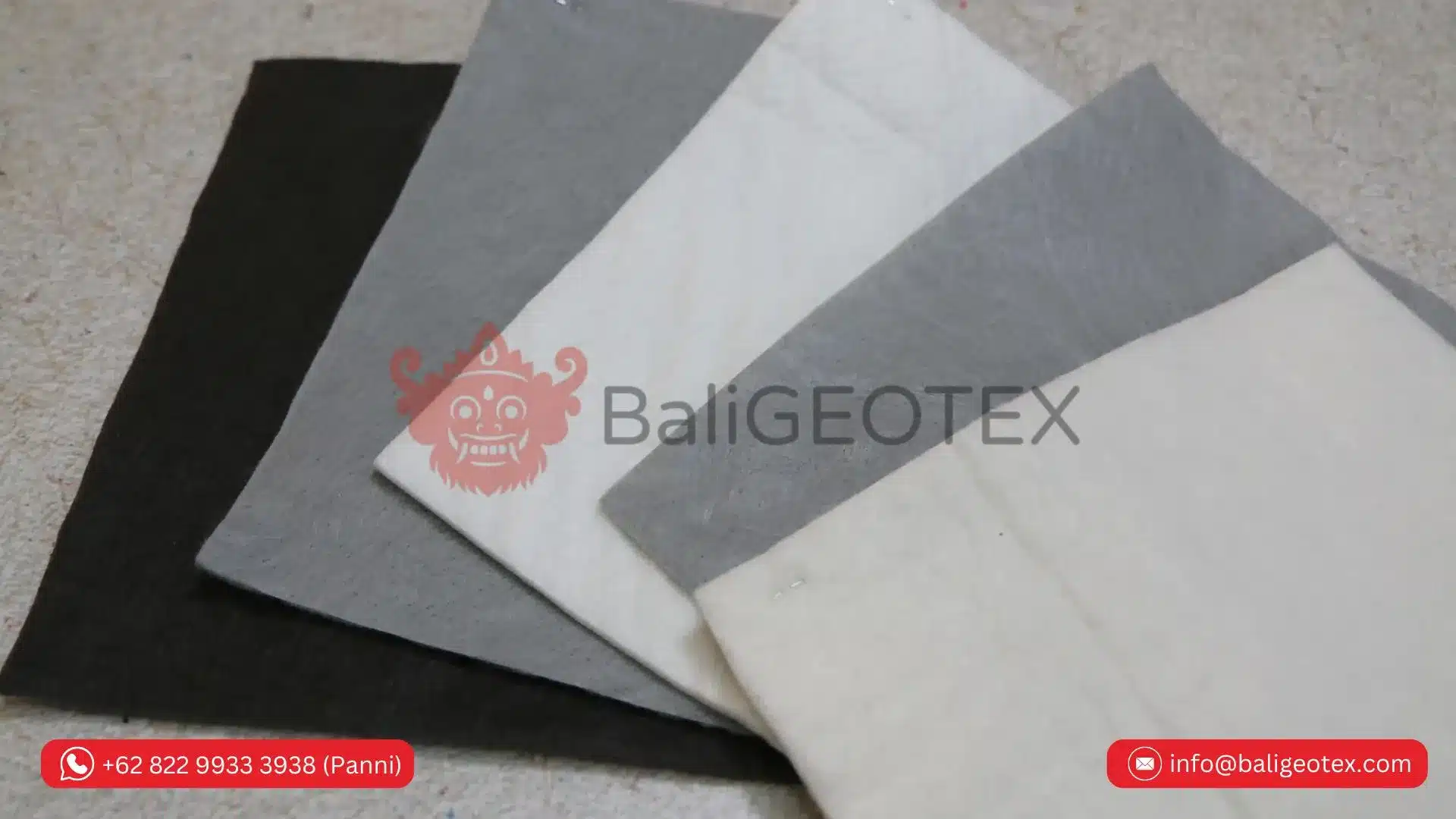
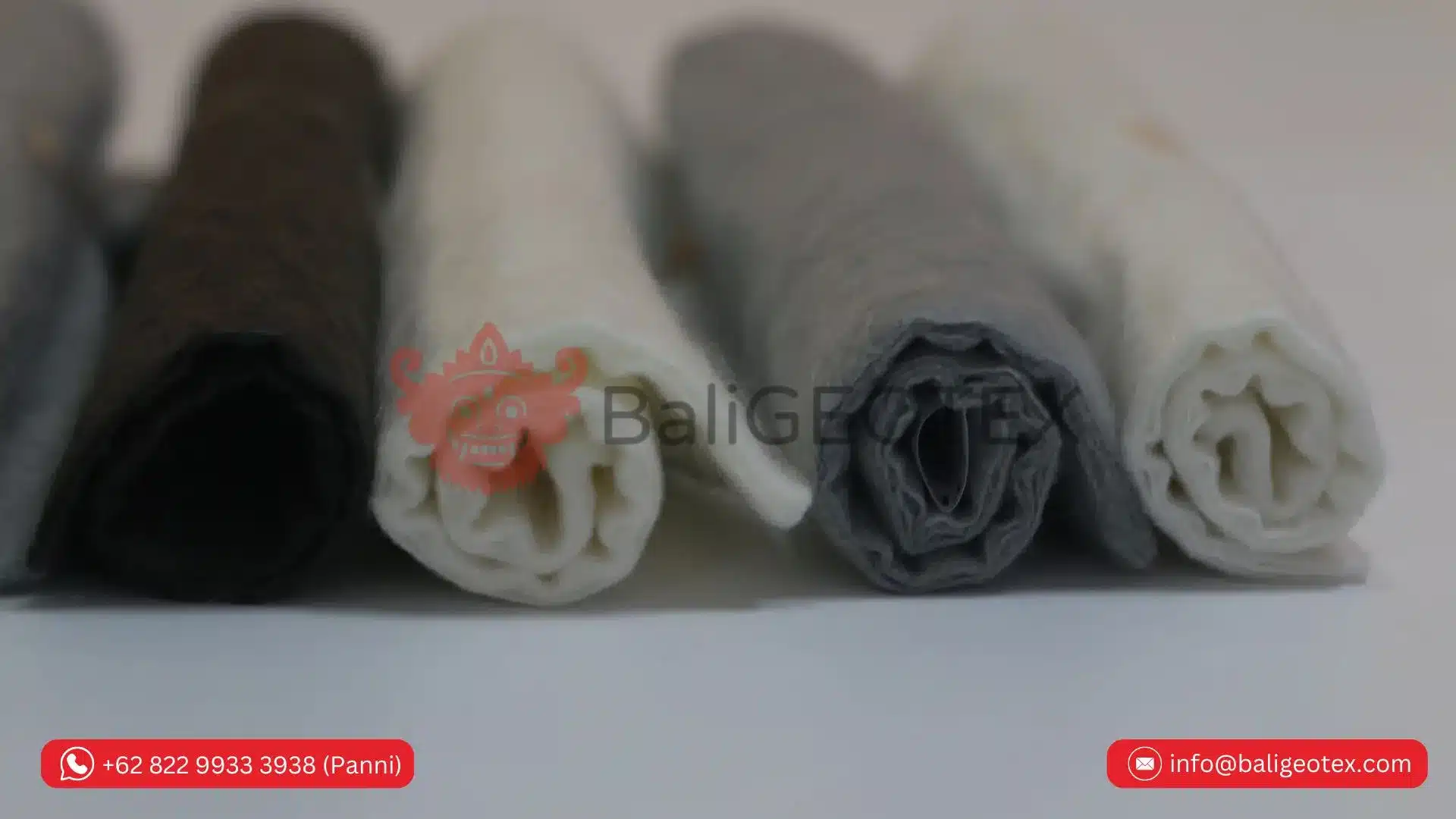
Several types of geotextile can be used; one common type is non-woven geotextile. Non-woven geotextile resembles felt fabric and features high permeability, allowing water to pass through the material effectively. Non-woven geotextile is suitable for areas requiring soil separation and drainage, such as patios, walkways, and driveways.
When using geotextile, factors such as soil conditions, drainage, slope, and surface load should be considered. Below are some conditions where geotextile might be required:
1. Clay Soil or Weak Subgrade
Clay soil can cause movement and changes in the paver base layer. Geotextile helps separate the native soil from the aggregate material placed above it.
This separation prevents the aggregate from mixing with the subgrade. The material also helps maintain the long-term stability of the base layer.
2. Expansive Clay Soil
Expansive clay soil requires special attention during paver installation. Fluctuations in moisture content can cause the soil to expand or contract, potentially affecting the stability of the paver layer.
Geotextile can help separate the subgrade from the aggregate material; however, it is not a standalone solution for dealing with expansive soil. Planners must comprehensively consider soil conditions and structural requirements.
3. Areas at Risk of Weed Growth
Geotextiles can help reduce weed growth through paver joints. The material blocks light and restricts space for root development.
However, geotextiles are not a completely effective weed control solution. Routine maintenance is still required to keep paver joints clear.
4. Areas at Risk of Soil and Aggregate Mixing
The mixing of soil with aggregate can compromise the quality of the paver base layer. This often occurs when the subgrade contains a high proportion of fine particles.
Geotextiles create a separation layer between the native soil and the base material. This separation helps preserve aggregate quality over time, allowing the base layer to maintain its stability for longer.
5. Slopes and Inclined Terrain
Installing pavers on slopes requires careful attention to water movement. Water can move laterally through the soil on sloped terrain.
This movement can transport soil particles into the paver base layer. Geotextiles help prevent material migration, so engineers often use them for paver projects on sloped sites.
Do you need geotextile under pavers? It is highly recommended. Geotextiles can enhance the stability of the paver system under specific conditions. However, installation must align with soil conditions and construction requirements. Improper use can create new issues for the paver system; therefore, evaluating soil conditions is a crucial step before installing geotextiles.
For more information about Geotextile Non Woven please contact: Whatsapp/Mobile Phone: +62 822 9933 3938 (Ms. Panni) or Email : info@baligeotex.com