Can geotubes be customized for specific environmental projects is a question that often arises as the use of this technology increases. Geotubes are known as a practical solution for waste management, erosion control, and coastal preservation. Their design flexibility allows them to be adapted to various specific site needs.


Can Geotubes Be Customized for Specific Environmental Projects? Here Are Their Various Applications
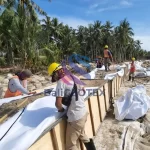
Geotubes, or geotextile tubes, are large, tubular containers made of geotextile fabric. Geotubes are typically durable and specifically designed for long-term performance in harsh environments. This material is widely used for applications such as sediment retention, water dewatering, and erosion control.
Based on these various functions, geotubes are known for their high flexibility in design and material selection. This flexibility allows them to meet the demands of various projects with diverse needs. Geotubes are widely used in various sectors, with the following main applications:
Coastal and Riverbank Erosion Control
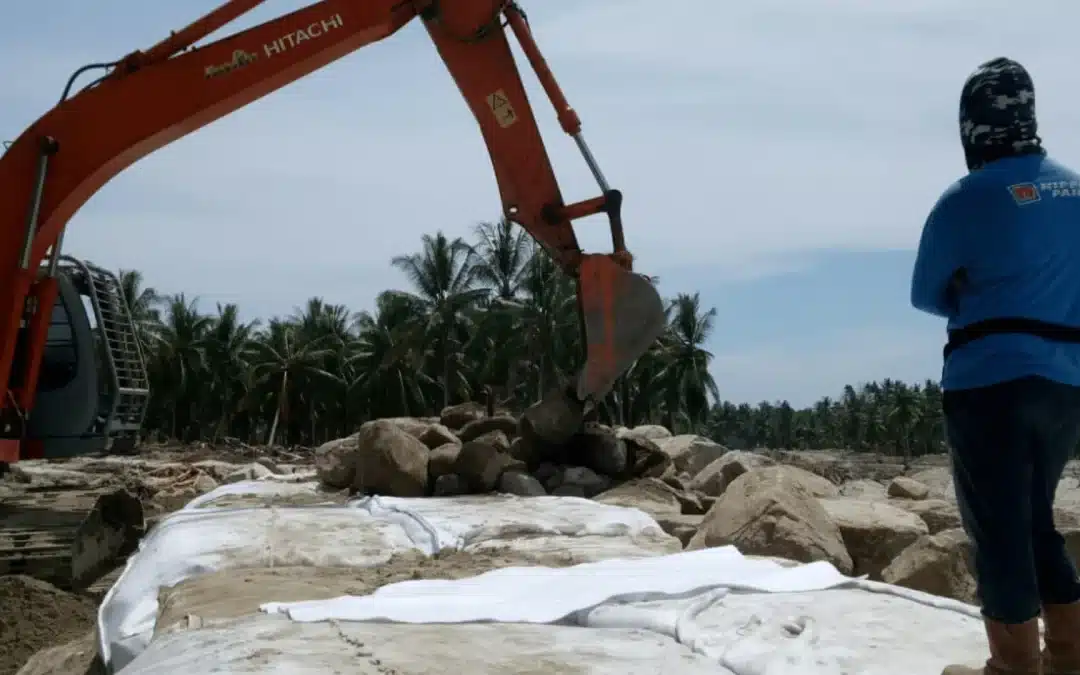
Regions like Australia are known for their long coastlines with numerous rivers that are prone to erosion. The use of geotubes or geotextile tubes is an effective solution to curb erosion in these areas. Not only that, but geotubes can also maintain soil stability in vulnerable areas. The material installation method maintains the natural shape of the environment while protecting the surrounding ecosystem in the long term.
Dredging Activities
Sometimes, dredging is often carried out to maintain water depth, for example, in port areas and navigation channels. In this context, the question arises: can geotubes be customized for specific environmental projects? This is particularly true regarding how the technology can be adapted to handle dredging results. As an effective solution, the dredged material can be placed in geotubes. This allows the water to be filtered out while the sediment is safely contained and easily managed.
Mining Sector
The mining industry often produces large amounts of waste, requiring special handling to prevent environmental pollution. One solution is the use of geotubes to contain mine waste in a controlled manner. This technology can separate liquids from solids, making the waste dewatering process more effective. As a result, tailings management can be safe, efficient, and environmentally friendly.
Agriculture
In the agricultural sector, geotubes can be used to help manage organic waste, such as livestock manure. This material can facilitate effective drying, reducing waste volume. Furthermore, treated waste can be better stored and reused as useful materials. This further confirms that the use of geotubes helps reduce the risk of environmental pollution that often occurs around agricultural areas.
Construction and Infrastructure
In construction and infrastructure projects, geotubes can be used as fill material or temporary barriers. For example, to help control flooding. Their application allows for more efficient work processes while maintaining the stability of the project area. In addition, geotubes also function as an effective retaining system during excavation activities. This material helps support the recovery process of contaminated land, making it safer and more controlled.
The various applications above can answer the question of whether can geotubes be customized for specific environmental projects. Geotubes themselves can be adjusted in terms of size, material, and installation method to suit field needs. This flexibility makes geotubes an effective solution that is not only practical but also more efficient and environmentally friendly than conventional methods.
For more information about Geotube please contact: Whatsapp/Mobile Phone: +62 8173 91338 (Ms. Agnes) or Email : info@baligeotex.com