Weeds can steal nutrients, water, and sunlight from garden plants. Gardeners spend hours pulling unwanted weeds every season. Geotextile landscape fabric offers a smart solution for weed control and drainage. This material blocks weeds while allowing water and air to pass through.
What Is Geotextile Landscape Fabric?
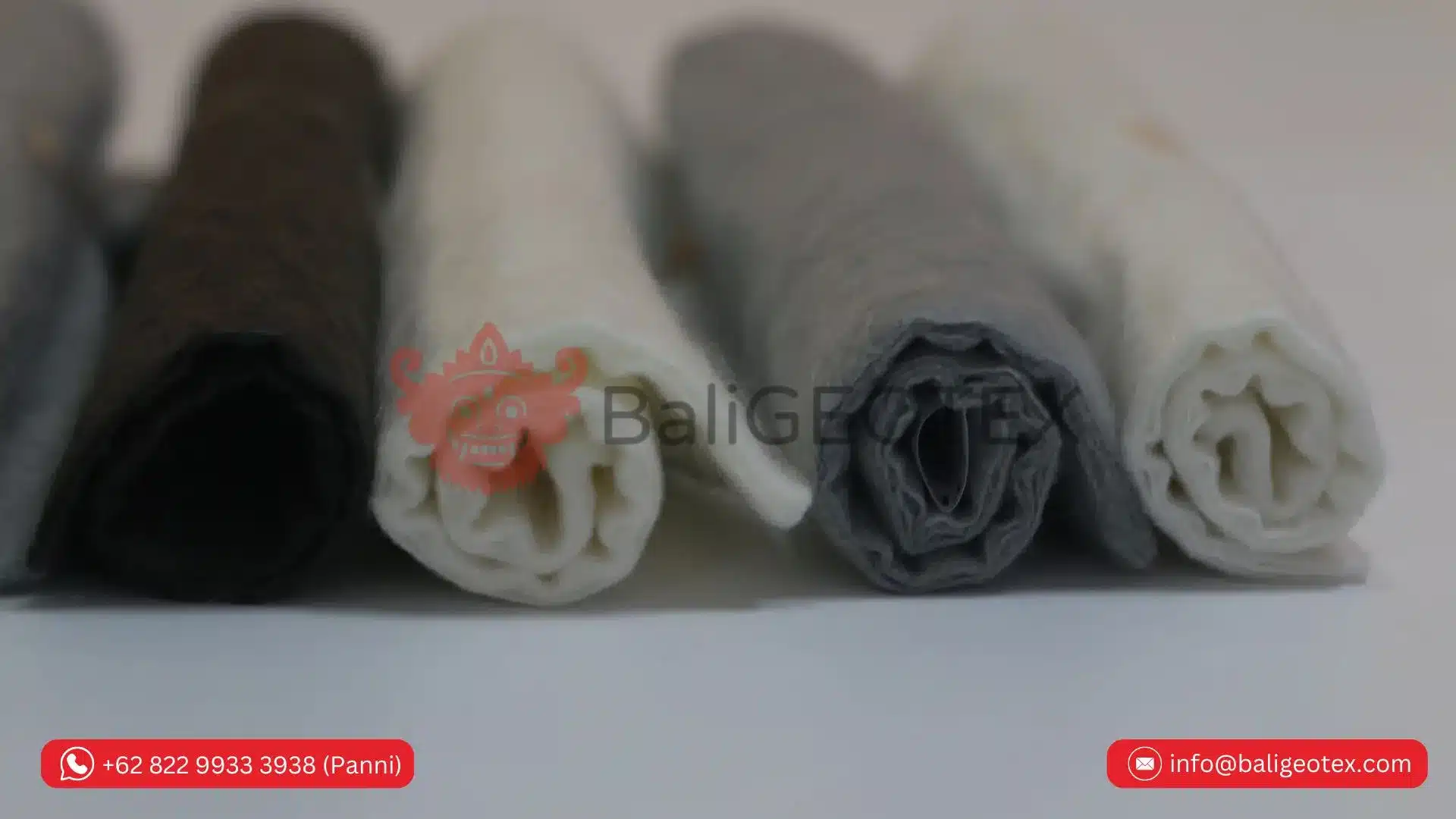
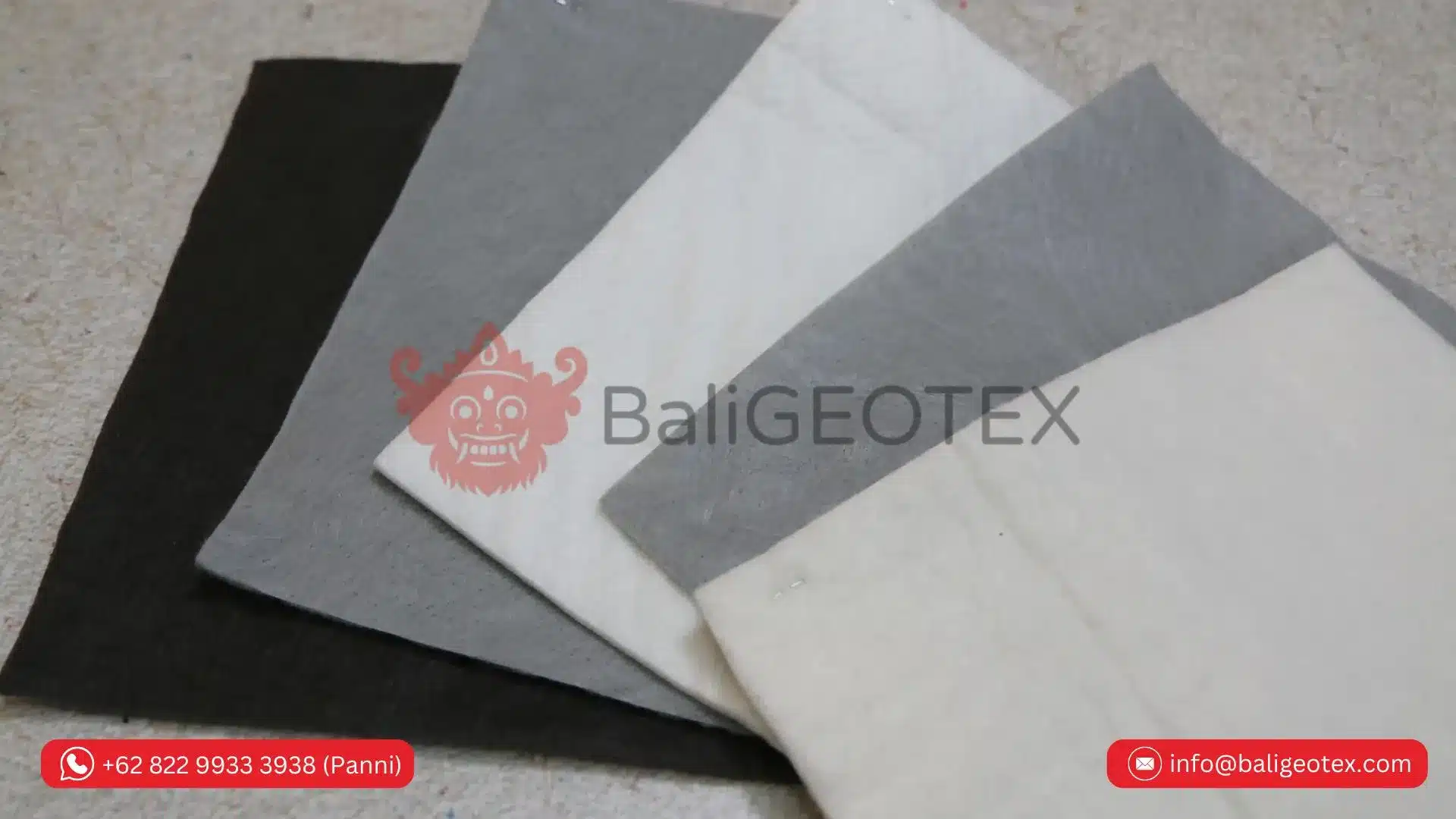
Geotextile landscape fabric is a synthetic textile made from polymers. Manufacturers typically use polypropylene or polyethylene to produce these sheets. The material comes in woven, nonwoven, or knitted forms. Each type serves a different purpose in outdoor projects.
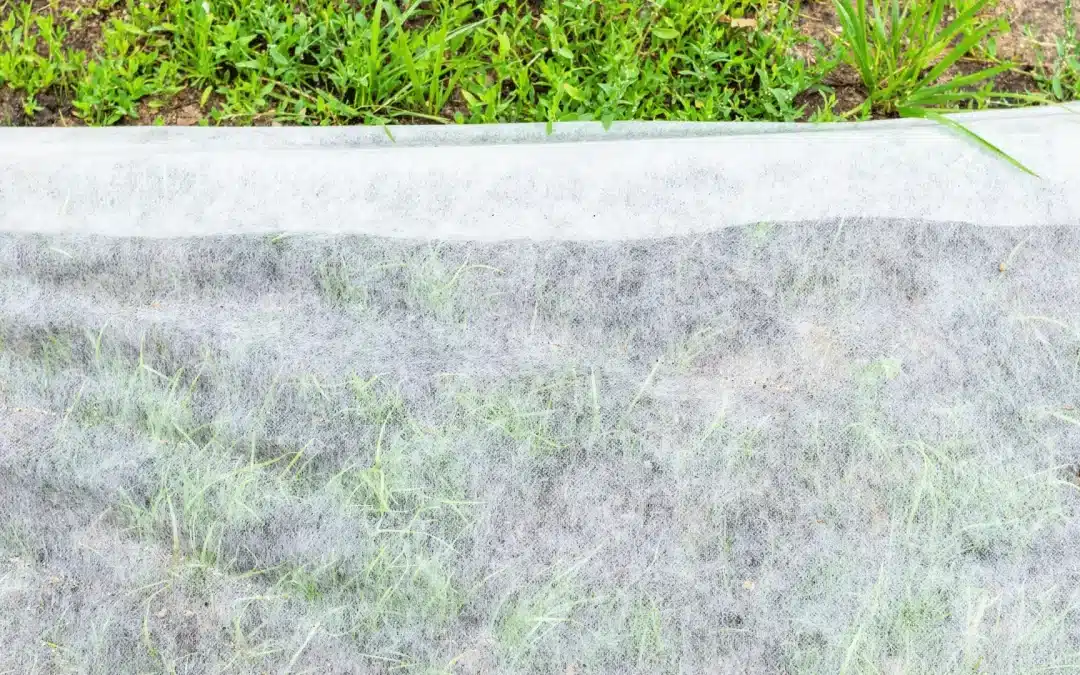
Woven fabrics feature interlocking strips that create strong, uniform sheets. Nonwoven fabrics use bonded fibers that resist chemicals and biological damage. Both varieties allow water to drain while blocking sunlight from reaching the weeds.
This fabric works differently from plastic sheeting. Plastic traps water and suffocates roots over time. Geotextile landscape fabric maintains permeability for healthier soil conditions. The material also stabilizes soil on slopes and prevents erosion. Many civil engineers use similar fabrics for road construction and drainage systems. Home gardeners benefit from the same technology on a smaller scale.
How Does It Control Weeds?
Weed seeds need sunlight to germinate and grow. Geotextile landscape fabric blocks nearly all light from reaching the soil surface. Without light, seeds remain dormant and eventually decompose. The fabric creates a physical barrier that stops roots from pushing upward.
Some fabrics include UV-resistant coatings for extra durability. Sunlight degrades untreated materials within a single season. But covering the fabric with mulch or gravel could extends its lifespan even further. This layering also improves the garden’s visual appeal. Gardeners should overlap seams by six to twelve inches during installation. Proper overlap prevents gaps where weeds might emerge.
Drainage Benefits for Healthy Soil
Good drainage prevents root rot and waterlogged conditions. Geotextile landscape fabric allows rainwater and irrigation to pass through freely. The porous structure directs excess moisture downward instead of pooling on the surface. This feature proves especially valuable in areas with heavy clay soil. Clay retains water and creates muddy conditions after storms.
The fabric also separates different soil layers effectively. Gravel stays on top without sinking into mud below. This separation maintains clean pathways and stable patio bases. Drainage improves because water follows the path of least resistance through the fabric. Soil beneath remains aerated and healthy for plant roots. Some fabrics receive hydrophilic treatment to enhance water flow even more.
Top Materials and Brands to Consider
Several manufacturers produce quality geotextile landscape fabric for residential or commercial use. Polypropylene remains the most common material due to its affordability and resistance to mildew. Polyethylene offers greater tear resistance for heavy-duty applications. Natural fiber options like burlap exist but biodegrade within months.
Baligeotex Non-Woven Geotextile ranks among the top choices for home gardens. This non-woven fabric blocks weeds while remaining breathable. Their Geotextile also provides professional-grade durability with a twenty-year lifespan.
Geotextile landscape fabric provides an effective solution for weed control and drainage in home gardens. The material blocks sunlight while allowing water and air to reach plant roots. Woven options offer maximum strength for high-traffic areas and structural projects. Nonwoven varieties deliver superior drainage for flower beds and vegetable plots.
For more information about Geotextile Non Woven please contact: Whatsapp/Mobile Phone: +62 822 9933 3938 (Ms. Panni) or Email : info@baligeotex.com