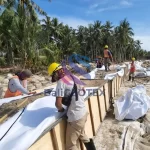
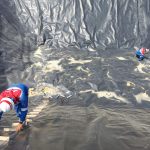
Geotextile bags for dredging represent a premier geosynthetic solution for river dredging and coastal reclamation projects. Dredging operations often generate vast volumes of fluid sludge and sediment. Managing this wet material requires robust and efficient containment systems; modern geosynthetic bags effectively address the challenges of sediment management at the worksite.
Key Functions of Geotextile Bags for Dredging Projects
Dewatering is the most critical function for separating water from sludge. The permeable fabric allows water to flow out freely while effectively retaining solid sediment particles within the bag. This process accelerates the formation of a more stable, solid soil structure.
River Stabilization and Erosion Prevention
In river dredging, these geosynthetic bags play a vital role in stabilizing banks and levees. Strong river currents often cause severe erosion of the waterway’s edges; however, the strategic placement of sediment-filled bags can mitigate the adverse effects of soil erosion, ensuring the river flow remains controlled without damaging the surrounding environment.
Foundation Formation in Coastal Reclamation
Coastal reclamation projects require a solid foundation for new land. Dredged marine sludge is pumped directly into the bags; once filled with solid material, these bags serve as barriers against sea waves. This method creates a more structured land formation that is resilient against coastal abrasion.
Material Advantages and Geosynthetic Durability
The mechanical strength of the bag material is a key advantage. These products are manufactured from high-strength synthetic fibers, such as polypropylene or polyester. The fabric’s high tensile strength enables it to withstand the weight of the wet material inside, while specialized nylon stitching prevents leakage or structural failure.
Durability against extreme outdoor weather is a key priority. The product features an ultraviolet (UV) protective coating, which preserves the fabric’s integrity even after years of exposure to intense sunlight. This reliability makes the bags ideal for long-term outdoor installation.


Practical Field Operations
The on-site sediment filling process is simple and efficient. A suction pump directs the sludge mixture straight into the bag’s opening. Once filled, the opening is securely stitched shut. Clean water continuously seeps out through the fabric’s pores.
Project Time and Cost Efficiency
Developers can achieve maximum cost and time efficiency. Using geosynthetic bags eliminates the need for large temporary storage areas and significantly reduces the need to transport heavy, wet sludge. Construction projects can be completed on schedule with a cleaner, more organized finish.
Environmentally Friendly and Supports Vegetation
The material’s eco-friendly nature offers both economic and ecological advantages. The exterior of the installed bags can support various types of vegetation; plant roots grow through the fabric’s pores to bind the internal soil. This allows riverbanks or coastal areas to become greener and blend harmoniously with the natural landscape.
Many water infrastructure projects have successfully utilized this geosynthetic containment technology. Sludge dewatering occurs much faster without polluting nearby aquatic ecosystems. The product’s structural reliability makes it an excellent choice for long-term investment.
Geotextile bags for dredging deliver high efficiency, exceptional structural strength, and environmental safety for river dredging and coastal reclamation projects. Purchase high-quality, reliable geosynthetic products directly from BaliGeotex to ensure project success.
For more information about Geobag please contact: Whatsapp/Mobile Phone: +62 822 9933 3938 (Ms. Panni) or Email : info@baligeotex.com