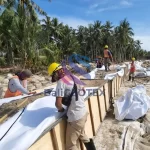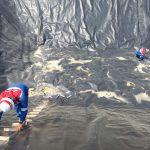
Road construction technology continues to evolve, particularly to address the challenges of soft soil, which is often a major obstacle in many regions in Indonesia. One innovative solution that is currently popular is geotextile woven road constructions. The use of this material has been proven to extend road life while reducing maintenance costs. The use of this geotextile material offers numerous benefits. Below, we will discuss woven geotextiles and their functions in the construction sector.
Geotextile Woven Road Constructions Offers a Variety of Benefits
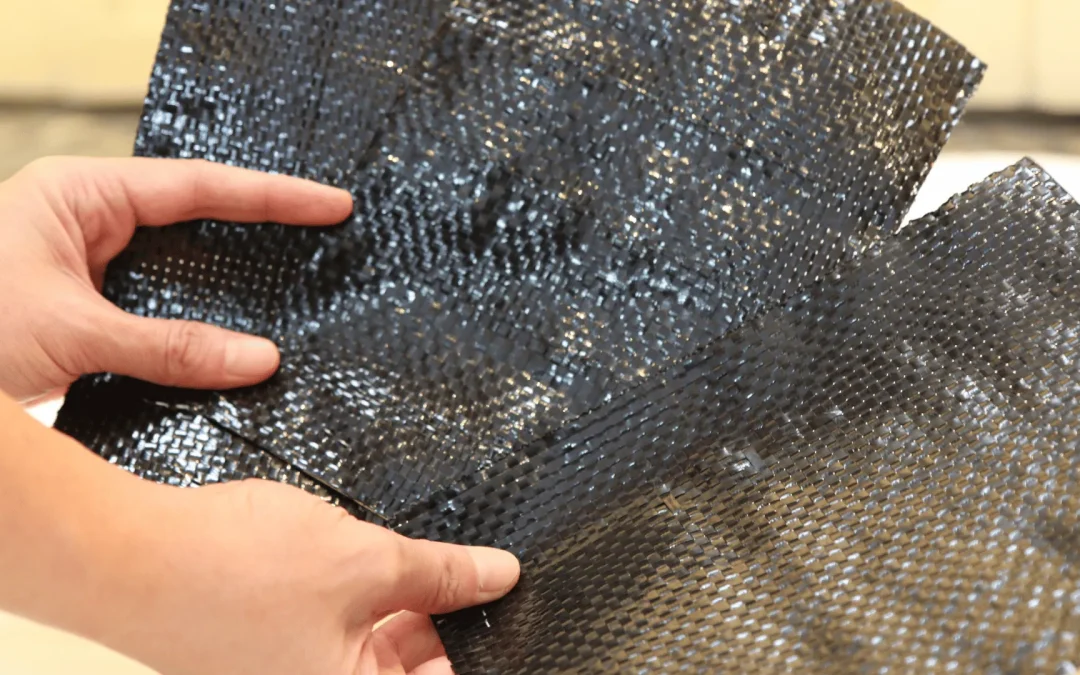
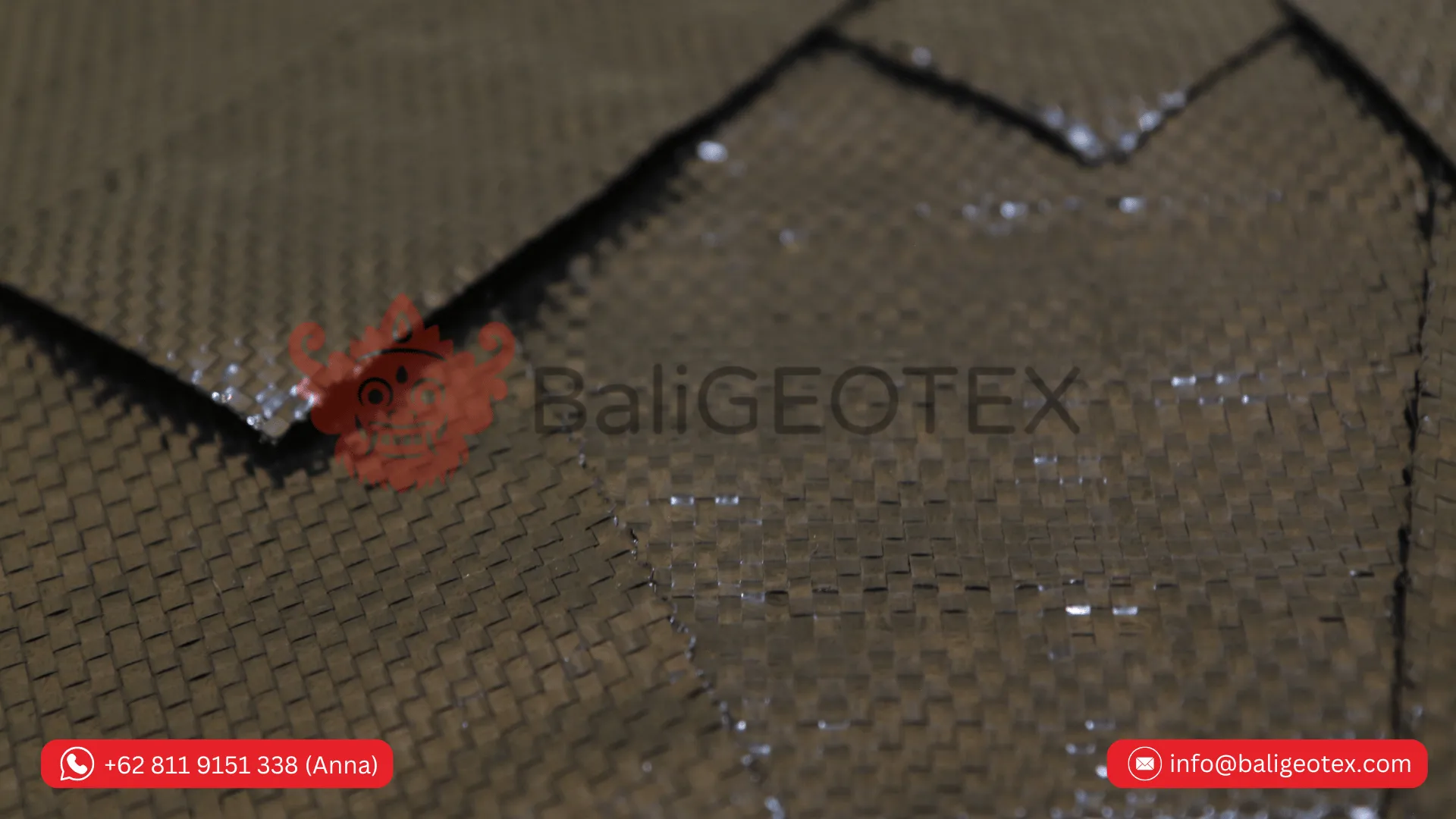
Woven geotextiles are geosynthetic materials made by weaving polymer fibers (usually polypropylene or polyester) using industrial textile technology. The resulting sheet material has very high tensile strength but low elongation. Unlike non-woven materials, which resemble carpet fabric, woven geotextiles resemble extremely strong plastic sacks. These characteristics make them ideal for use as reinforcement or stabilizers in unstable subgrades.
A special fabric that offers good strength, high durability, and exceptional stability. Commonly used in the construction and civil engineering sectors, such as highway construction. Its excellent durability reduces the risk of natural disasters. Woven geotextiles are essential for ensuring their longevity.
Main Functions of Geotextiles in Road Construction
The use of geotextile woven is not without reason. The following are some of its uses in the construction sector:
Reinforcement
The main function of woven geotextiles is to provide tensile strength to the subgrade. Soft soils such as peat or clay are usually unable to support heavy vehicle loads. Geotextiles work by distributing the load evenly over a wider area, thus preventing subsidence or cracks in the road surface.
Separation
A classic problem in road construction on soft soil is the mixing of the foundation layer (aggregate) with the subgrade. Without a separator, the aggregate stones will sink into the soft soil due to vehicle loads, quickly deteriorating the road structure. Geotextiles function as a separator, keeping the aggregate layer clean and functioning optimally to support the load.
Stabilization
Woven geotextile road construction helps consolidate the subgrade. This layer allows pore water pressure in the soil to be better dissipated, resulting in more effective and long-term soil compaction.
![Woven Geotextile merk BaliGEOTEX[2]](https://indonesiageotextilefabric.com/wp-content/uploads/2026/02/Woven-Geotextile-BaliGEOTEX-3_9_11zon.webp "Woven Geotextile merk BaliGEOTEX[2]")
Stages of Geotextile Woven Constructions
The installation process must be carried out precisely to ensure the material’s optimal performance. Here are the standard steps:
- Land Preparation
- Leveling
- Material Laying
- Aggregate Spreading
- Compaction.
Given that geotextiles are a crucial component in road construction, it’s best to purchase them from a trusted source. One recommended supplier is indonesiageotextilefabric.com, a leading exporter and supplier of woven geotextiles in Indonesia. The products offered are recycled, making them environmentally friendly.
Indonesiageotextilefabric.com offers a variety of high-quality products, including woven and nonwoven geotextiles, geobags, geomembranes, and more. All products made with PET support environmental sustainability. This also applies to specially designed nonwoven geotextiles, which offer superior environmental resistance.
Geotextile woven road constructions serve as a highly efficient solution for developing infrastructure in areas with weak soil bearing capacity. By providing reliable separation and reinforcement, this method ensures superior structural stability and long-term durability. Ultimately, it results in a more resilient road network that significantly minimizes future maintenance costs and operational expenses.
For more information about Geotextile Woven please contact: Whatsapp/Mobile Phone: +62 822 9933 3938 (Ms. Panni) or Email : info@baligeotex.com