![geotextile bag / geobag merk BaliGEOTEX[1]](https://indonesiageotextilefabric.com/wp-content/uploads/2026/02/geobag-merk-BaliGEOTEX-3_17_11zon-1080x675.webp)
Who are geobags made of? This question often arises as geotextile materials are increasingly being used in coastal, river, and also slope protection projects. Geobags are popular as a practical and efficient solution for erosion control. They are also more environmentally friendly than conventional structures. To understand their benefits, it’s important to understand the source of the materials and the manufacturing process.
Who Are Geobags Made? Basic Materials and Characteristics
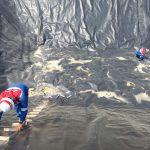
Geobags are made from synthetic polymer-based geotextile materials. The most commonly used materials are polypropylene and polyester. These two materials are preferred because they have high tensile strength and are resistant to extreme environmental conditions. Their fiber structure is able to withstand water pressure and also the weight of the fill material.
Geotextiles for geobags are available in woven and also non-woven types. Woven types have a tightly woven weave and are strong against tears. Non-woven types, on the other hand, are more flexible and offer good filtration capabilities. This combination of properties makes geobags stable during field application.
Geobag Production Process from Upstream to Downstream
The geobag manufacturing process begins with the selection of raw materials. Geotextiles are produced in specific weights according to project requirements. Common weights range from 400 to 700 gsm. The higher the weight, the greater the durability of the geobag. The next stage is cutting and sewing. Geobag patterns can be customized to standard sizes or custom orders. The stitching is very strong to withstand the load of the filling. After that, the geobag is ready to be shipped to be filled with materials such as sand, soil, or gravel at the project site.
![geotextile bag merk BaliGEOTEX[1]](https://indonesiageotextilefabric.com/wp-content/uploads/2026/02/geobag-merk-BaliGEOTEX-13_23_11zon.webp "geotextile bag merk BaliGEOTEX[1]")
![geotextile bag / geobag merk BaliGEOTEX[6]](https://indonesiageotextilefabric.com/wp-content/uploads/2026/02/89_14_11zon.webp "geotextile bag / geobag merk BaliGEOTEX[6]")
The Function of Geobags in Erosion and Abrasion Control
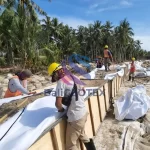
Geobags play a crucial role in erosion control. Geobag structures absorb wave energy and water flow. This helps reduce soil erosion on beaches and riverbanks. Due to their permeable nature, water can still flow without carrying material away. In practice, geobags often serve as emergency embankments. This material is also effective for slope reinforcement. Their flexible shape makes them easy to adapt to land contours. This is why geobags are a popular choice for water conservation projects.
Many countries with long coastlines use geobags. Indonesia is an area at high risk of abrasion. Therefore, geotextile-based solutions are increasingly relevant. Who are geobags made? The answer is closely related to the need for strong, lightweight, and adaptable materials.
Advantages of Geobags Over Conventional Methods
Geobags offer better cost efficiency. Installation doesn’t always require heavy equipment. The installation process is also relatively quick, saving project time. From an environmental perspective, geobags are indeed more environmentally friendly. Geotextile materials allow for the growth of organisms around them. These structures can blend in with the natural environment. Therefore, geobags are often chosen for sustainable projects. Furthermore, geobags are easily adjustable in size. Filling materials can be sourced locally. These advantages make geobags flexible for various field conditions. Who are geobags made? This question is answered through the functional advantages of geotextile bags.
Applications of Geobags in Water Infrastructure Projects
Geobags are widely used for coastal protection. These structures help resist abrasion from ocean waves. In rivers, geobags are useful for reinforcing cliffs. Road and also railway slopes also utilize geobags as erosion barriers. In emergency situations, geobags can serve as temporary embankments. This material is easy to install and dismantle. This flexibility is also an added advantage.
Geobag Quality and Durability Standards
The material and production process significantly determine the quality of a geobag. Testing for tensile and tear strength is possible. Chemical resistance testing is also crucial. This ensures the geobag is resistant to damage in extreme environments. National and international quality standards also serve as production guidelines. These standards ensure long-term use of the geobag. UV resistance is also important. All of these factors contribute to field performance.
Trends in the Use of Eco-Friendly Geobags
Currently, the trend for the use of eco-friendly materials is increasing. Geobags are being produced from recycled materials. PET-based polyester is one option. This approach supports sustainable development. Geobags are not only technically functional; they also support environmental preservation. The geobag structure can create new habitats for aquatic organisms. Thus, the benefits are not only structural but also ecological.
For projects requiring reliable geotextile materials, geobags or geotextile bags from BaliGEOTEX are the right choice. Baligeotex is an Indonesian geotextile manufacturer and exporter. This company provides quality products such as woven and non-woven geotextiles, geomembranes, geogrids, and geocells. All products are made from environmentally friendly materials based on recycled PET to support sustainable development nationally and also globally.
Who are geobags made? Geobags are made from high-quality geotextiles based on polypropylene and polyester. This material is designed to address the challenges of erosion and abrasion. With a standardized production process, geobags are an efficient and also adaptive solution.
For more information about Geobag please contact: Whatsapp/Mobile Phone: +62 811 9151 338 (Ms. Anna) or Email :info@urbanplastic.id