Geotextile fabric plays a quiet but critical role in modern construction and infrastructure. Roads feel more stable, drainage systems last longer, and soil stays where it belongs because of this material. Many project planners still ask what is the difference between woven and non woven geotextile fabric, since both types appear similar at first glance but behave very differently once installed.
Explanation What Is the Difference Between Woven and Non Woven Geotextile Fabric
Understanding what is the difference woven and non woven geotextile fabric starts by looking at how each material is made and how it reacts to pressure, water, and soil movement. Construction outcomes often depend on selecting the correct type for the right conditions rather than choosing based on thickness or price alone.
Woven Geotextile Fabric is Designed for High Tensile Strength and Load Reinforcement
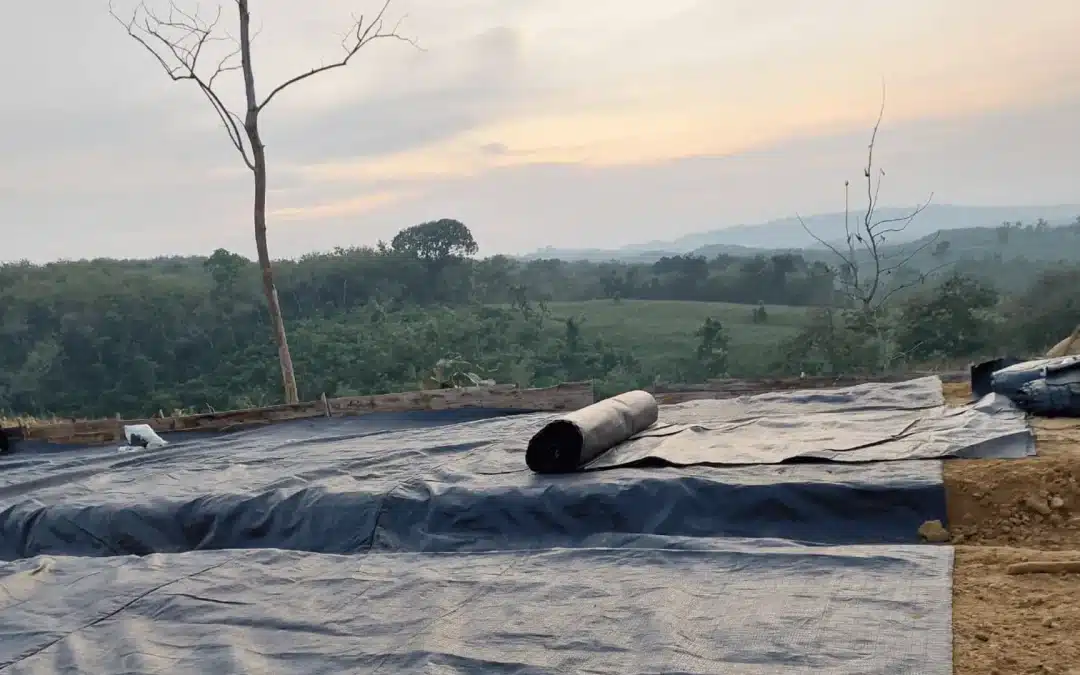
Woven geotextile fabric is produced by weaving synthetic fibers in a structured pattern that resembles traditional textile weaving. Strength becomes the main advantage of this structure. Heavy loads from vehicles, retaining walls, or embankments can be distributed evenly across the surface.
Projects involving road base reinforcement, parking areas, or soil stabilization rely heavily on woven material. Soil particles remain separated while the fabric resists stretching under pressure. Load transfer works efficiently because the fibers stay aligned even after long exposure to weight and vibration.
![Woven Geotextile merk BaliGEOTEX[3]](https://indonesiageotextilefabric.com/wp-content/uploads/2026/02/Woven-Geotextile-BaliGEOTEX-2_8_11zon.webp "Woven Geotextile merk BaliGEOTEX[3]")
Non Woven Geotextile Fabric Focuses on Filtration, Drainage, and Soil Separation
Non woven geotextile fabric follows a completely different production method. Fibers are bonded mechanically or thermally rather than woven into a grid. This creates a fabric that looks more like felt and behaves more flexibly on the ground.
Water movement defines the role of non woven material. Drainage systems, erosion control, slopes, and landscaping projects depend on this filtration capability.
The Main Difference Lies in Strength, Permeability, and Structural Function
Comparing both materials reveals why the question of what is the difference woven and non woven geotextile fabric continues to surface in engineering discussions. Woven fabric prioritizes tensile strength and load distribution. Non woven fabric emphasizes permeability and filtration.
Structural behavior changes significantly under pressure. Woven material maintains shape and resists elongation. Non woven fabric compresses slightly while still allowing water flow. Each response suits different soil conditions and design goals.
![Woven Geotextile merk BaliGEOTEX[1]](https://indonesiageotextilefabric.com/wp-content/uploads/2026/02/Woven-Geotextile-BaliGEOTEX-4_10_11zon.webp "Woven Geotextile merk BaliGEOTEX[1]")
Each Type is Used for Different Construction Needs Based on Soil and Project Conditions
Project success often depends on soil characteristics and load expectations. Sandy soils with drainage requirements benefit from non woven fabric. Clay-rich areas requiring reinforcement perform better when paired with woven material.
Road construction typically favors woven geotextile beneath base layers. Drainage trenches, riverbank protection, and landscaping applications often rely on non woven fabric. Engineers balance cost performance and lifespan when making these decisions.
Geotextile technology continues to evolve, yet the core distinction remains clear. Anyone evaluating what is the difference between woven and non woven geotextile fabric is will find the answer rooted in strength versus permeability. Each fabric solves a specific problem rather than competing directly. Selecting the correct type ensures efficient construction, reliable performance, and lasting results for infrastructure projects of any scale.
For more information about Geotextile Woven please contact: Whatsapp/Mobile Phone: +62 822 9933 3938 (Ms. Panni) or Email : info@baligeotex.com