Ever wondered how construction sites keep soil in place? Soil stabilization fabrics are the answer. These innovative materials, including Soil Stabilization Fabrics and Geotextile Stabilization, prevent erosion, improve ground strength, and ensure a stable foundation for paved surfaces, a cement driveway, driveway underlayment, and a gravel road. They are essential for roads, buildings, and landscaping projects. Learn how these fabrics work and why they’re crucial for modern construction, including ground stabilization geotextiles, ground cover materials, and road stabilization need. Dive into the benefits and applications of soil stabilization fabrics, ground cover materials, gravel road, sidewalks, and slope.
Understanding Soil Stabilization Fabrics
Importance in Construction
Soil stabilization fabrics prevent erosion and potholes. This enhances the longevity of construction projects. They reduce maintenance costs by providing a strong separation layer using heavy duty grade stabilization fabrics. Selecting the right grade of fabric for ground cover materials, sidewalks, and slope is crucial for optimal performance. Each project has specific requirements.
Types and Functions
There are three main grades: standard, intermediate, and heavy-duty for road stabilization fabric, ground cover materials, and driveway fabric. Standard grades offer basic separation with lower tensile strength. Intermediate grades provide moderate strength and better water permeability. Heavy-duty grades of woven geotextile fabric have high tensile strength and are suitable for high-load bearing capacity and filtration.
Each fabric grade serves different functions. Standard fabrics separate soil layers. Intermediate fabrics handle moderate loads while allowing water to pass through, making them suitable as ground cover materials. Heavy-duty fabrics and ground cover materials support heavy loads and filter water effectively.
Choosing the correct fabric grade impacts stability and durability. The right choice ensures long-lasting construction projects.
Key Benefits
Using soil stabilization fabrics offers economic benefits. They reduce material costs and extend surface life. Environmental advantages include minimized erosion and better water management. These fabrics are versatile across various applications.
Woven geotextile fabrics, including Erosion Control Geotextiles and Erosion Prevention Geotextiles, can be used as ground cover materials in driveways, parking lots, and large-scale roadways. Their versatility makes them valuable in many construction scenarios.

Preparing for a Gravel Driveway
Surface Prep Essentials
Proper site preparation is crucial. Start by clearing and grading the area. Remove debris, vegetation, and large rocks. Ensure a smooth, compacted subgrade. This maximizes the effectiveness of the stabilization fabric.
The fabric prevents intermixing of base materials and subgrade soils. This keeps the gravel driveway stable over time.
Addressing Drainage
Woven stabilization fabrics are permeable. They help manage surface water and prevent waterlogging. Choose the fabric grade based on your project’s drainage needs and ground cover materials.
Installation techniques can enhance drainage efficiency. Slope the driveway slightly to direct water away. Overlap fabric edges properly to avoid gaps.
Selecting Gravel Size
Gravel size must match the fabric grade and ground cover materials for effective stabilization. The right gravel size ensures proper load distribution and drainage when used with ground cover materials, road stabilization fabric, and woven geotextile fabric.
Choose gravel based on expected traffic and weather conditions. Heavy traffic areas may need larger gravel and ground cover materials with woven geotextile fabric for better support.
Using Soil Stabilization Fabrics
Woven vs Non-Woven
Woven geotextiles are made by weaving polypropylene fibers together. These fabrics have high tensile strength. They are less permeable but very durable. Woven stabilization geotextile fabric is ideal for road stabilization, heavy-duty grade applications, erosion control geotextiles, and ground cover materials. It can support heavy loads and prevent soil erosion.
Non-woven geotextiles are made by bonding fibers together. They offer better permeability and filtration but lower tensile strength in woven geotextile fabric and ground cover materials. Non-woven fabrics are best for drainage projects, erosion control, and Geotextile Stabilization. They allow water to pass through while filtering out soil particles using woven geotextile fabric.
Installation Guidelines
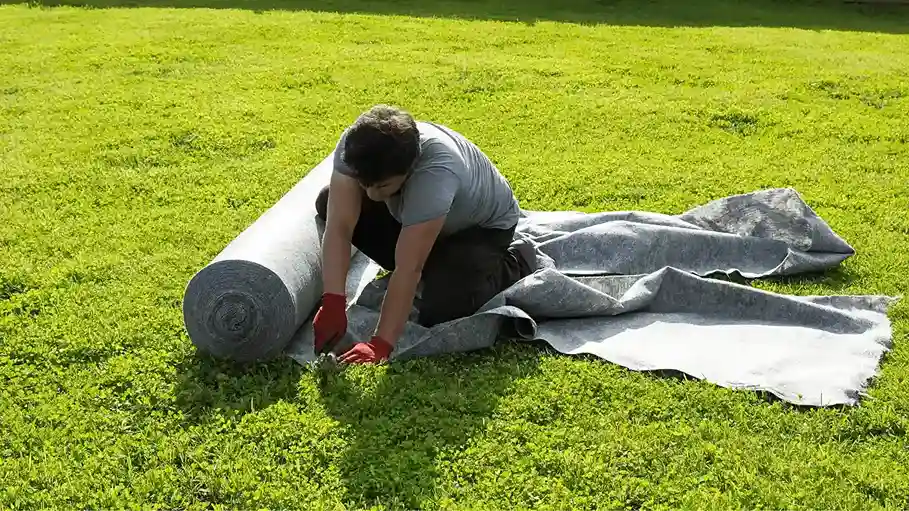
Follow these steps to install soil stabilization fabric:
- Clear the area of debris and level the ground.
- Lay the fabric flat, overlapping edges by at least 12 inches.
- Pin the fabric securely using landscape staples every 3 feet.
Cut the fabric to fit the project area precisely. Avoid gaps or excessive overlaps. Ensure proper orientation to maximize effectiveness.
Common mistakes include inadequate securing and incorrect orientation. These can reduce the fabric’s effectiveness and lead to project failure.
Keeping Gravel in Place
Soil stabilization fabric helps keep gravel in place by providing a stable base. It prevents gravel from sinking into the soil with geotextile fabric and maintains a uniform surface level.
Additional measures include:
- Using edge restraints to keep gravel contained.
- Periodically leveling the gravel to maintain an even surface.
Fabric selection is crucial. Choose a geotextile road fabric compatible with your gravel size and project type for optimal stability using Soil Stabilization Fabrics.

Common Mistakes to Avoid
Gravel Driveway Errors
Many underestimate the amount of gravel needed for a driveway with geotextile fabric. This leads to thin layers that cannot support heavy loads without geotextile fabric. Ignoring soil stabilization needs also causes problems. Uneven surfaces and increased maintenance are common issues.
To correct these mistakes, use soil stabilization fabric. It helps distribute weight evenly. This reduces the chances of ruts and potholes. Always calculate the right amount of gravel required.
Compaction Missteps
Proper compaction is crucial for fabric and base material integrity. Inadequate compaction reduces load-bearing capacity. This increases the risk of deformation under pressure.
For optimal compaction, follow specific guidelines for different soil types and use geotextile fabric. Use a plate compactor or roller for even results. Ensure each layer is compacted before adding the next one.
Overlooking Fabric Use
Skipping soil stabilization fabric increases maintenance needs. Surfaces may fail prematurely. There are cases where projects faced setbacks due to this oversight.
Using fabric from the start is cost-effective. It extends the lifespan of the surface. Incorporate it into project planning to avoid future issues.
Maintenance and Longevity
Routine Checks
Regular inspections are crucial. Check the soil stabilization fabric every six months. Look for visible tears or sediment breakthrough. These signs indicate fabric failure.
Preventive measures help extend fabric lifespan. Remove debris from the surface regularly. Ensure no heavy machinery runs over the fabric. This reduces wear and tear.
Enhancing Durability
Selecting the right grade of fabric is essential. Proper installation techniques also matter. Follow manufacturer guidelines closely for best results.
Ongoing maintenance preserves the fabric’s integrity. Fix small issues promptly to avoid larger problems. Combining soil stabilization fabric with Geotextile Erosion Solutions and good drainage practices enhances durability. Use high-quality materials for better performance.
Repair Tips
Promptly address any damage to the fabric. Use patching techniques suitable for the specific fabric type. Material recommendations include non-woven geotextiles for patches.
Assess damage extent before deciding on repairs or replacement. Minor tears can be fixed easily. Larger areas may need complete replacement to ensure stability.
Final Remarks
You now have a solid understanding of soil stabilization fabrics and their role in preparing and maintaining a gravel driveway. Avoiding common mistakes and ensuring proper maintenance will save you time and money. These steps ensure your driveway remains durable and functional for years.
Ready to start your project? Utilize the tips and insights shared here to achieve the best results. Don’t forget to share your experiences or ask questions in the comments. Your feedback helps us provide better content. Happy paving! For more information about Geotextile Non Woven, please contact Whatsapp/Mobile Phone: +62 822 9933 3938 (Panni) or Email: info@baligeotex.com