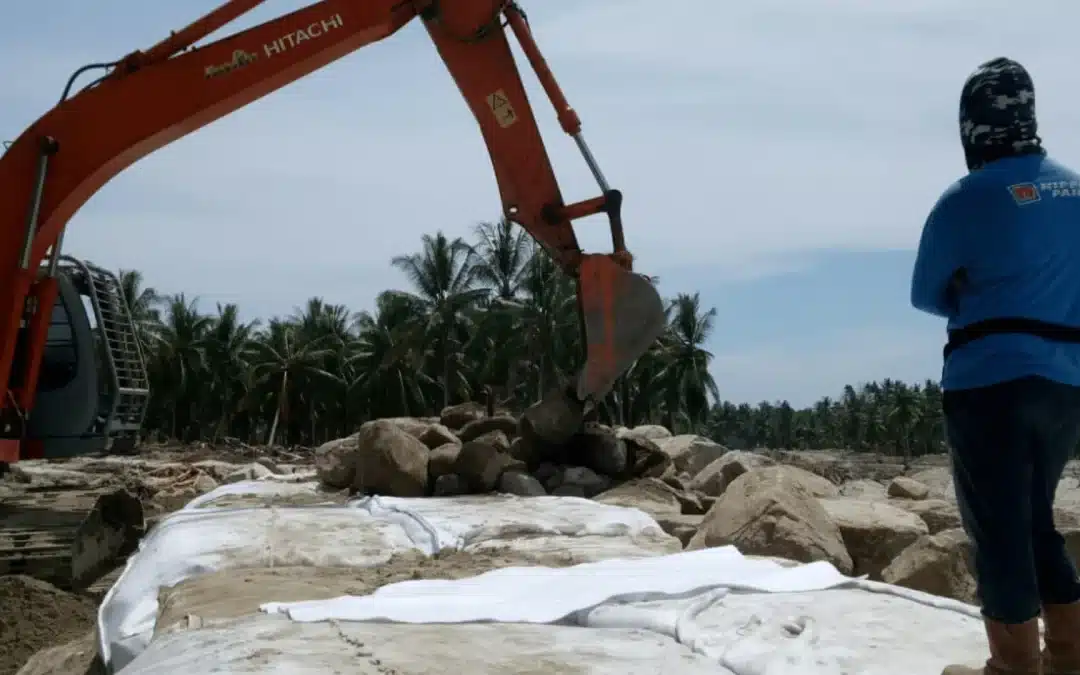
Geotubes have become a critical solution in coastal protection, erosion control, dewatering, and land reclamation projects. Manufactured from high-strength geotextile fabrics, these large tubular systems are designed to contain sand, sludge, or dredged materials while maintaining structural integrity over long periods. One of the most frequently raised technical questions in geosynthetic engineering relates to service life and durability. Understanding how long do geotubes last is essential for planners, engineers, and infrastructure stakeholders who prioritize long-term performance and cost efficiency. In general, geotubes are engineered for extended service in demanding environments. Their lifespan is influenced by material composition, environmental stressors, installation quality, and maintenance strategies.


How Long Do Geotubes Last in Real-World Conditions?
The service life of geotubes varies based on application and exposure conditions. In buried or semi-buried environments, geotubes commonly last between 20 and 50 years. In certain protected installations, this lifespan can extend even further. Conversely, geotubes installed in fully exposed coastal zones can experience accelerated degradation due to ultraviolet radiation, wave impact, and abrasion.
To understand this variation, several key factors must be examined in detail. The following points outline the primary determinants of geotube longevity, supported by industry data and engineering practice.
Key Factors Influencing Geotube Lifespan
Before evaluating specific conditions, it is important to note that geotubes are fabricated using woven geotextiles made primarily from polypropylene (PP) or polyester (PET). These polymers are selected for strength, permeability, and resistance to chemical and biological degradation.
1. Material Composition
High-quality geotubes manufactured from virgin polypropylene or polyester fibers exhibit excellent resistance to chemical exposure, salinity, and microbial activity. Polypropylene offers superior resistance in acidic and alkaline soils, while polyester provides higher tensile strength for load-bearing applications. With proper additives such as UV stabilizers and antioxidants, polymer degradation can be significantly slowed.
2. Environmental Exposure
Ultraviolet radiation is one of the most critical factors affecting exposed geotubes. Submerged or buried geotubes, shielded from direct sunlight, demonstrate substantially longer service lives. Temperature extremes and abrasive forces from waves or sediment movement also contribute to wear over time.
3. Installation Quality
Correct installation plays a decisive role in durability. Poor foundation preparation, uneven filling, or excessive tension during placement may cause localized stress points, increasing the risk of fabric failure. Projects with well-compacted bases and controlled filling processes consistently report longer geotube performance periods.
4. Fabric Thickness and Strength
Geotubes produced with higher fabric weights and tensile strength show improved resistance to puncture, abrasion, and hydraulic pressure. Woven geotextiles with tensile strengths ranging from 100 to 200 kN/m are commonly specified for coastal and hydraulic structures, ensuring structural stability over decades.
5. Maintenance and Protection Measures
Protective layers such as sand cover, riprap, or vegetation significantly enhance geotube lifespan. Periodic inspection allows early identification of surface wear, seam stress, or exposure risks, reducing the likelihood of premature failure.

Application-Specific Lifespan Expectations
In coastal protection and shoreline stabilization projects, geotubes typically perform for 20–30 years when adequately protected. In dewatering and containment applications, where exposure is temporary, geotubes may only be required to function for several months or years. For permanent infrastructure such as breakwaters or levees, design standards often target multi-decade service life, supported by conservative safety factors.
Geotubes are engineered geosynthetic systems designed for long-term performance in challenging environments. Their lifespan generally ranges from 20 to 50 years, with potential for extended durability when protected from ultraviolet exposure and mechanical abrasion. Factors such as polymer type, fabric strength, installation quality, and environmental conditions directly influence longevity. In this context, understanding how long do geotubes last becomes a crucial consideration for sustainable coastal protection, dewatering, and infrastructure projects that demand reliability over decades.
For more information about Geotube please contact: Whatsapp/Mobile Phone: +62 811 9151 338 (Ms. Anna) or Email :info@urbanplastic.id