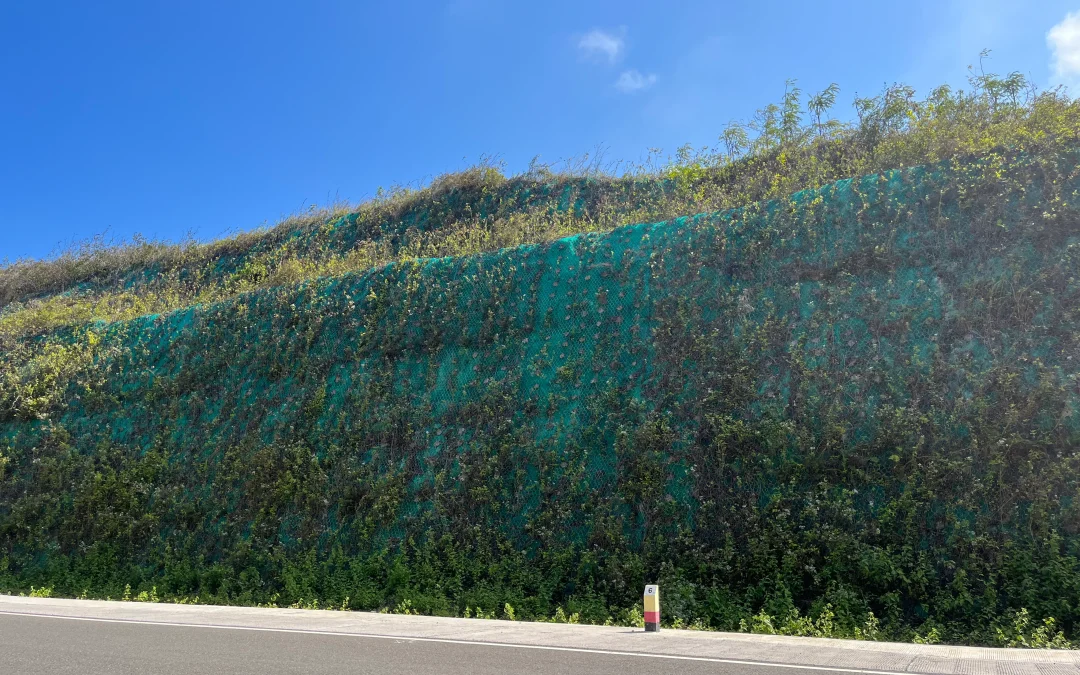
Installing Geomat can seem daunting, but with the right steps and tips, it becomes straightforward. This guide simplifies the process, ensuring you get it right the first time. Geomats have been used for erosion control and soil stabilization for years, making them essential in construction and landscaping projects. We’ll cover everything from preparation to installation, providing practical advice along the way. By the end of this post, you’ll be equipped with the knowledge to tackle your geomat installation confidently and efficiently.
Understanding Geomat Basics
What is Geomat
Geomat is a 3D mesh structure used with Geotextile Fabric for soil stabilization and erosion control. It often consists of plastic 3D mesh and high-strength flat mesh. These materials make it durable and effective.
The ecological benefits of geomat are significant. Unlike concrete or asphalt, geomat allows vegetation to grow. This promotes a natural environment and reduces heat absorption.
Importance in Erosion Control
Geomat prevents soil erosion by stabilizing slopes. It supports plant growth, which helps anchor the soil. This reduces the risk of landslides and surface runoff.
It protects infrastructure like roads, railways, and dams from erosion damage. By using geomat, maintenance costs decrease. The environmental advantages include less disruption to natural habitats.
Types of Geomat
Different types of geomat are available for various applications. Single-layer geomats suit areas with mild erosion issues. Multi-layer geomats offer more strength for severe conditions.
Selecting the right type depends on several factors:
- Soil type
- Climate
- Slope condition
Each project may require a specific geomat to ensure effectiveness.

Preparing for Installation
Site Assessment
A thorough site assessment is crucial. It helps determine the appropriate type of geomat and installation method. Key factors to consider include slope gradient, soil composition, and erosion risk.
Consult with erosion control experts. They ensure accurate site evaluation and geomat selection. This step prevents future issues.
Tools and Materials
Several tools and materials are essential for geomat installation:
- Fastening nails
- U staples
- Hydraulic spray machines
Prepare the soil, fertilizer, auxin, and cement mix. These materials contribute to effective geomat installation. Have extra geomat material on hand. Use it for burying at the top of the slope. This ensures stability.
Ground Preparation
Start by clearing debris from the site. Fill any potholes present. Compact the slope surface thoroughly.
Create a flat and smooth surface. Proper geomat fitting depends on this step. It also enhances effectiveness. Follow best practices for ground preparation. Prevent future erosion and promote healthy plant growth through meticulous preparation.
Steps to Install Geomat
Laying Out the Geomat
Unroll and position the geomat along the slope. Ensure full coverage and proper alignment. Bury extra geomat at the top of the slope for added stability. This prevents slippage.
Spread soil evenly over the geomat. Aim for a thickness that supports vegetation growth. Use a rake or similar tool for even distribution.
Securing the Edges
Secure the edges of the geomat with fastening nails or U staples. This prevents displacement. Proper edge security is crucial during weather events.
Check and reinforce edge security periodically. Heavy rains can loosen the edges. Regular maintenance ensures long-term stability.
Joining Sections
Join multiple sections of geomat to cover larger areas. Ensure overlaps are secure and stable. Seamless joining prevents erosion and promotes uniform plant growth.
Use techniques like overlapping by several inches and securing with additional staples. This creates a durable join that withstands environmental stress.

Tips for Effective Installation
Weather Considerations
Weather conditions can greatly impact geomat installation. Rain can make the ground too wet and unstable. Wind can blow the geomat out of place during installation.
Install geomat during dry, calm weather. Avoid installing when rain or strong winds are forecasted. This ensures the geomat stays in place and functions effectively. Plan installation activities to avoid extreme weather. Doing so helps maintain the geomat’s ability to protect against erosion.
Handling and Storage
Proper handling of geomat materials is crucial. Mishandling can cause tears or other damage. Always handle with care to maintain its integrity.
Store geomat in a dry, shaded area if not immediately installed. Keep it away from direct sunlight to prevent UV damage. Ensure the geomat remains dry during storage. Moisture can weaken the material, reducing its effectiveness.
Regular Inspection
Regular inspections are essential for maintaining installed geomats. Conduct inspections frequently to catch issues early.
Look for signs of wear, displacement, or poor vegetation health during inspections. These indicators can signal problems that need addressing. Establish a routine inspection schedule post-installation. This helps ensure the geomat continues to perform effectively over time.
Ensuring Optimal Performance
Maintenance Tips
Regular maintenance is essential for geomat installations. Control weeds to prevent them from disrupting the mat. Re-secure any loose edges promptly. Add soil or seed to bare spots as needed.
Maintenance helps extend the lifespan of geomat. It ensures continuous erosion control by keeping the system intact. Prompt repairs to damaged areas are crucial. They prevent erosion from undermining the geomat system.
Monitoring Erosion Control
Monitor the effectiveness of geomat regularly. Check plant health and soil stability as indicators. These signs help determine if the geomat is working properly.
Use monitoring to adjust maintenance practices. This improves the performance of the geomat over time. Document changes and improvements in erosion control. This information can inform future projects and best practices.
Conclusion
Proper installation and maintenance of Geomat Erosion Control are essential to ensuring its long-term effectiveness in preventing soil erosion and stabilizing slopes. By following the recommended site preparation, installation steps, and maintenance practices, you can maximize the benefits of geomat, promoting vegetation growth while protecting infrastructure and natural landscapes.
Regular inspections, proper handling, and timely repairs will help maintain the integrity of the geomat, ensuring continuous erosion control. As an eco-friendly solution, geomats offer a sustainable alternative to traditional erosion control methods, reducing environmental impact while enhancing soil stability. By implementing these best practices, your project can achieve optimal performance and long-lasting results. For more information about Geomat, please contact Whatsapp/Mobile Phone: +62 822 9933 3938 (Panni) or Email: info@baligeotex.com