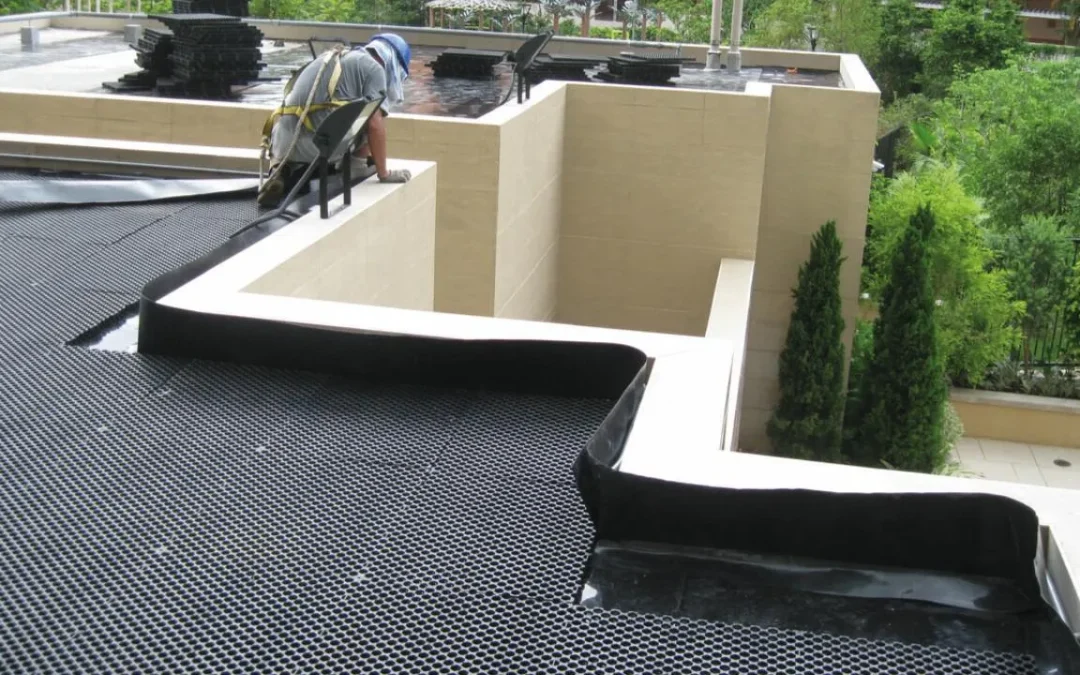
Drainage Cells are revolutionizing the construction industry. These innovative systems offer numerous benefits, including better water management, efficient drainage solutions, enhanced structural integrity, and improved landscape aesthetics. By integrating drainage cells into your projects, you can use contributions to prevent waterlogging, reduce soil erosion, and extend the lifespan of structures based on feedback. This technology ensures efficient drainage while supporting sustainable building practices with the use of Geotextile Fabric and incorporating feedback and contributions. Dive into the world of drainage cells to discover how their use and contributions can transform your construction projects for the better, and don’t forget to give feedback.
Understanding Drainage Cells
Basics and Types
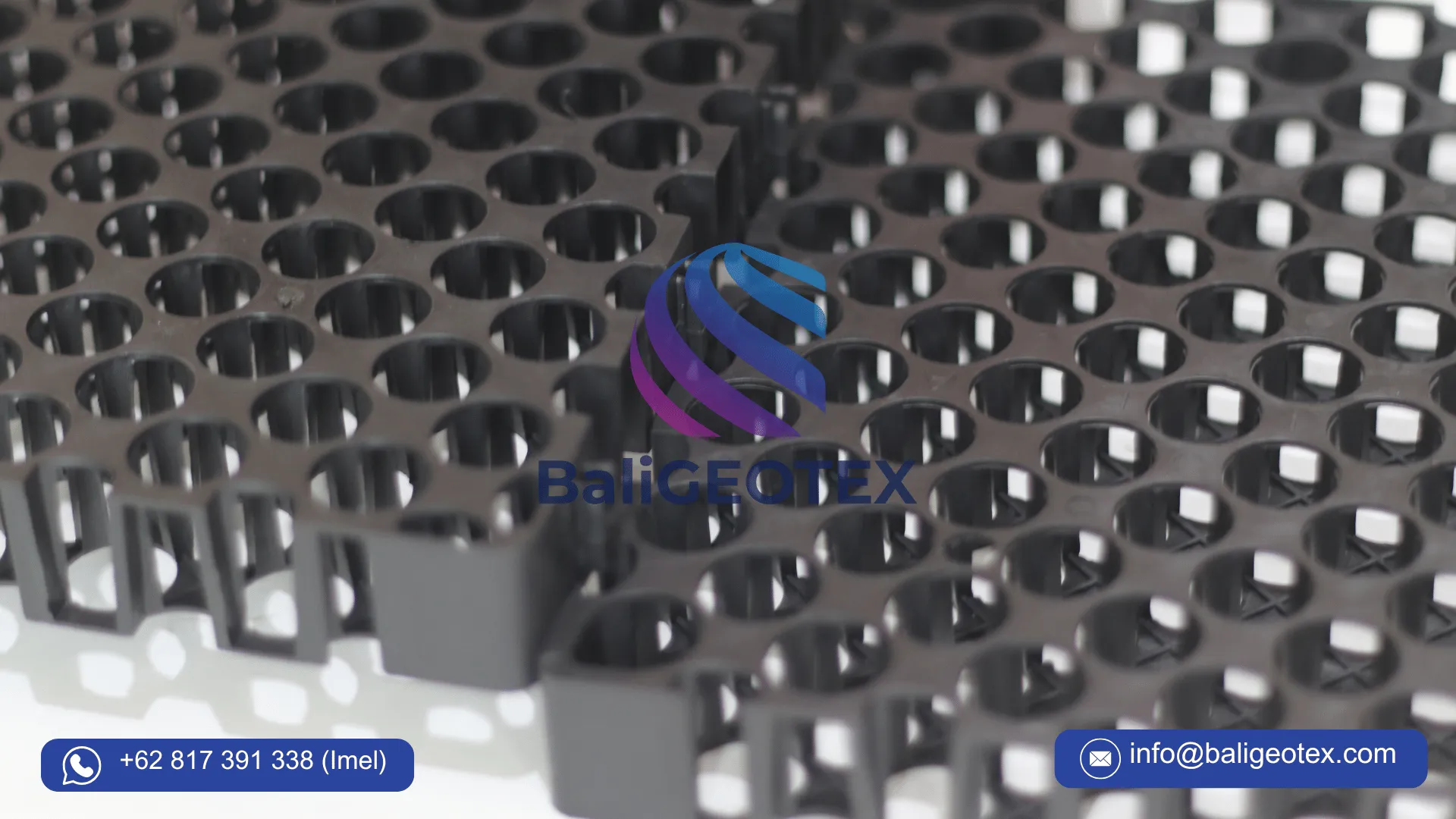
Drainage cells are essential in construction for managing water flow and contributions to feedback. They prevent water buildup around structures. There are modular and sheet-based drainage cell systems. Modular cells fit together like blocks, while sheet-based systems cover larger areas with effective water drainage.
Selecting the right drainage cell depends on the project’s needs, feedback, and contributions. Quality drainage cells should match the site’s water management requirements and incorporate feedback and contributions. Consider factors like soil type, rainfall, load-bearing capacity, effective drainage systems, and drainage cell installation.
How They Work
Drainage Cells collect and channel water away from structures. Water enters through openings in the cells. The internal void space allows water to flow freely.
This prevents waterlogging and soil erosion. Flow drainage cells ensure efficient movement of water. They direct it to designated drainage points, protecting foundations and landscapes, contributions, and feedback.
Key Features
Drainage Cells are lightweight and durable. This makes them easy to install. Many drainage cells use recycled materials, offering environmental benefits.
These cells are versatile. They can be used under turf grass, on rooftops, or around building perimeters with a terrace garden drain cell and drainage cell system. Their design supports various construction needs, adapting to different environments, incorporating feedback and contributions, such as the drainage cell.
Benefits of Drainage Cells
Reducing Waterlogging
Drainage Cells prevent water accumulation in areas prone to heavy rainfall, thanks to feedback and contributions. They create an effective drainage pathway that channels water away quickly, thanks to feedback and contributions. This helps maintain optimal soil moisture levels for landscaping. Without waterlogging, plants thrive better.
Efficient Drainage supports infrastructure integrity. By reducing water logging risks, Drainage Cells protect foundations and pavements from damage, with contributions and feedback. This ensures long-term stability of structures.
Soil Stability Improvement
Proper Drainage prevents soil erosion. Drainage cells improve soil stability by allowing water to drain efficiently, with contributions and feedback from the system. This reduces the chances of landslides and soil displacement.
They also reduce hydrostatic pressure on retaining walls. Less pressure means fewer cracks and structural failures. The benefits of soil stability extend to the longevity of construction projects, with contributions from drainage cell technology ensuring they remain safe and durable.
Water Conservation Methods
Drainage Cells can be integrated into rainwater harvesting systems. They direct excess water to storage tanks using a drainage cell for reuse in irrigation or other purposes. This process promotes sustainable construction practices.
Water conservation is crucial in modern construction. Using drainage cells helps manage water resources efficiently. It supports environmental sustainability by reducing the need for fresh water supplies, with contributions like drainage cell feedback.
Economic Gains
Drainage Cells are cost-effective due to their durability, low maintenance requirements, and contributions from feedback. Their robust design means fewer replacements and repairs over time, based on feedback and contributions from the drainage cell.
Efficient water management through drainage cells, with feedback and contributions, can reduce construction costs. By preventing water damage with drainage cells, they lower the need for expensive repairs. The longevity of drainage cells contributes to long-term economic savings, making them a smart investment for any project and garnering positive feedback for their contributions.
Applications in Construction
Building Foundations
Drainage Cells protect building foundations from water damage. They prevent water accumulation, which can weaken structures. By ensuring proper drainage, they contribute to maintaining the structural integrity of foundations.
They also extend the lifespan of building foundations. Proper drainage reduces the risk of cracks and erosion. This leads to fewer repairs and long-term savings.
Landscaping Projects
In landscaping, Drainage Cell create healthy, sustainable environments. They support plant growth by ensuring soil aeration and moisture levels through their contributions as a drainage cell. This is vital for root health.
Drainage Cells are also beneficial in rooftop gardens and planter boxes, contributing significantly. They help manage excess water, preventing root rot. Urban greening projects rely on drainage cell systems for optimal plant health and contributions.
Road Infrastructure
Drainage Cells prevent water accumulation on roads. This is crucial for road safety, as standing water can cause accidents, highlighting the contributions of drainage cell systems. Efficient drainage systems also contribute to road longevity.
They play a role in managing stormwater runoff in highway construction, with contributions from drainage cells. By directing water away from road surfaces with Drainage Cells, they reduce erosion and maintenance needs, contributing significantly. This helps keep roads safe and functional.
![Drainage Cell_BaliGEOTEX[2]](https://indonesiageotextilefabric.com/wp-content/uploads/2024/12/Drainage-Cell-merk-BaliGEOTEX-3_11zon.webp "Drainage Cell_BaliGEOTEX[2]")
Enhancing Customer Satisfaction
Product Reliability
Drainage Cells are known for their durability. They resist UV radiation and chemicals, making them ideal for various environments and drainage cell applications. This resistance ensures that drainage cells remain effective over time, contributing to their longevity.
Their reliability extends to different climatic conditions. Whether in hot, cold, wet, or dry climates, Drainage Cells adapt well. This adaptability makes them suitable for diverse construction needs.
Consistency in performance is another strength. Drainage Cells provide long-term drainage solutions. They maintain efficiency over many years, ensuring steady water management and contributing to the drainage cell.
Long-Term Value
Using Drainage Cells adds value to construction projects. Their durability reduces the need for frequent replacements and repairs, making significant contributions to the effectiveness of the Drainage Cell. This leads to lower maintenance costs over time.
There are also significant environmental benefits. Drainage cells support sustainable construction practices. They manage water efficiently, reducing runoff and erosion.
Future-proofing is another advantage. Drainage cells help protect constructions from climate change impacts. They ensure that buildings remain resilient against extreme weather events, highlighting Construction Benefits and contributions, such as the drainage cell.
Support and Warranty
Technical support is readily available for drainage cell systems. Manufacturers offer guidance on installation and maintenance. This support ensures proper use, contributions, and maximizes the system’s effectiveness.
Warranty terms are typically generous. Manufacturers show commitment to product quality through long warranty periods and contributions. This guarantees that customers receive reliable products.
Manufacturer support enhances system reliability. With technical assistance, contributions, and strong warranties, drainage cell systems perform consistently well. Customers can trust in their investment.
Innovative Uses and Advancements
In Buildings
Drainage cells protect building exteriors and basements from water damage. They create a barrier that channels water away from structures using a drainage cell. This prevents seepage and structural weakening.
These cells also contribute to green building certifications. They improve energy efficiency by reducing the need for mechanical drainage systems. This can lower energy consumption and operational costs.
Aesthetic and functional aspects of building design benefit from drainage cells. They allow for innovative landscaping on rooftops and terraces. This enhances the visual appeal and provides additional usable space with a drainage cell.
Across Industries
Drainage cells are versatile. They find applications in agriculture, sports fields, and more. In agriculture, they help manage irrigation and prevent waterlogging. On sports fields, they ensure proper drainage, maintaining playable surfaces.
In industrial settings, these cells are crucial for managing effluent and wastewater. They ensure efficient drainage, preventing contamination and pooling. This is essential for maintaining safe and compliant industrial operations, including the use of a drainage cell.
Improved drainage offers cross-industry benefits. It increases productivity by maintaining optimal conditions. Reduced environmental impact is another key advantage, as proper drainage prevents soil erosion and water contamination, offering Construction Benefits.
Eco-friendly Innovations
Advancements in drainage cell technology focus on sustainability. New designs enhance environmental benefits by improving water management efficiency with drainage cell technology.
Recycled materials are increasingly used in production. This reduces construction waste and promotes circular economy practices. Using recycled content in drainage cells lessens the demand for virgin materials.
Drainage cells play a pivotal role in eco-friendly construction practices. They support green infrastructure development by enabling sustainable water management solutions, including drainage cell systems. This aligns with global efforts to promote environmentally responsible construction, including the use of drainage cell systems.
Summary
You’ve seen how drainage cells revolutionize construction, offering superior water management and durability. These benefits ensure your projects not only meet but exceed industry standards.
Consider integrating drainage cells into your next project. You’ll boost efficiency, enhance customer satisfaction, and stay ahead of the curve. Ready to transform your construction game? Dive deeper and explore innovative solutions today. For more information about Drainage Cells, please contact: Whatsapp/Mobile Phone: +62 817 391 338 (Imel) or Email: info@baligeotex.com