![geotube_baligeotex[4]](https://indonesiageotextilefabric.com/wp-content/uploads/2024/12/indonesiageotextilefabric-3_11zon-1.webp)
Did you know that over 80% of industrial liquid waste can be treated effectively with wastewater treatment and efficient dewatering? Geotubes are revolutionizing Liquid Waste Management with their efficient, cost-effective methods for wastewater treatment, agricultural sludge lagoons, and overflow sludge using geotextile fabric. These large fabric tubes filter and contain waste, turning sludge into manageable solids using effective dewatering technology in wastewater treatment. This dewatering solution not only reduces environmental impact but also saves money. In this post, we’ll dive into how geotube works in liquid waste management, exploring its benefits and applications as a dewatering solution with tencate tubes and container. Stay tuned to learn how this innovative dewatering solution can transform your waste disposal practices with Tencate tubes and containers.
Understanding Geotubes
Dewatering Basics
Dewatering separates solids from liquids in waste. It reduces waste volume and weight significantly. This process is crucial for efficient waste management.
Minimizing liquid waste through dewatering has environmental benefits. It reduces the need for large storage spaces. Lower volumes of waste also decrease transportation costs and emissions with the use of a dewatering solution, container, tubes, and tencate.
Geotube Functions
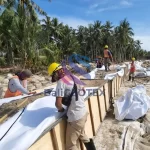
Geotube technology improves liquid waste management efficiency. Geotextile tubes perform filtration and containment functions. They filter out solids while containing them inside the tencate tubes fabric with water.
These tubes adapt to various waste types and conditions. They can handle industrial sludge, agricultural runoff, and more.
Operation Steps
Filling Process
The initial step involves introducing sludge into Geotubes. Polymers are added to bind the solids together. This ensures efficient separation during the filling process.
Filling is optimized for maximum efficiency. Proper techniques minimize environmental impact. Structural integrity and safety are key considerations.
Water Removal
Water is expelled from the Geotube through its permeable Tencate fabric tubes. This leaves behind concentrated solids. The water removal process is highly efficient.
Effluent water quality matters. It should be suitable for recirculation or discharge. Effective dewatering impacts the overall cycle positively.
Sludge Consolidation
Post-dewatering, natural consolidation occurs. This further reduces the sludge volume. Achieving up to 90% volume reduction is possible.
Consolidated material has long-term stability. It becomes easier to handle and manage.
![Geotube merk BaliGEOTEX[1]](https://indonesiageotextilefabric.com/wp-content/uploads/2025/01/Geotube-merk-BaliGEOTEX_11zon.webp "Geotube merk BaliGEOTEX[1]")
Geotube Technology Explained
Engineered Containers
Geotubes are made from high-strength geotextile materials. These materials are designed to withstand harsh conditions. They use advanced construction techniques to ensure durability.
The design of Geotubes can be customized. This allows them to fit specific project needs and space constraints, including tube and water requirements, as well as tencate considerations. Different sizes and shapes are available.
Geotubes are reliable in various environments. They resist UV radiation, chemicals, and biological degradation. This makes them suitable for long-term use.
Dewatering Mechanism
Geotubes use a scientific approach for dewatering. The process relies on the permeability of Geotextile Fabrics. Water escapes while solids are retained inside.
Polymers play a crucial role. They enhance the separation of solids and liquids. Adding polymers improves the efficiency of the dewatering process.
The process is continuous. Liquid waste is pumped into the TenCate Geotube, and water seeps out gradually. This allows for ongoing operation without interruptions.
High Volume Solution
Geotubes handle large volumes of liquid waste efficiently. They can manage thousands of cubic meters of waste.
Scalability is a key feature. Geotube solutions by TenCate can be adjusted for water projects of any size. From small sites to large industrial operations, they adapt well to water tube systems like Tencate.
High volume reduction impacts cost and efficiency positively. By reducing the volume of waste, transportation and disposal costs decrease significantly, including water and tube expenses.
Benefits of Using Geotubes
Cost Efficiency
Geotubes offer significant cost-saving benefits. The operational expenses are lower compared to traditional methods. Disposal costs are reduced since the Tencate geotextile fabric effectively dewaters the sludge in the tube, minimizing volume.
Maintenance requirements for Geotube installations are minimal. They have a long lifespan, reducing the need for frequent replacements in the tube and water systems by Tencate. This longevity translates to further savings over time.
Compared to conventional dewatering techniques, Tencate Geotube technology is more economical. It requires less energy and labor, making it a cost-effective solution for many industries, including water and tube manufacturing with Tencate materials.
Environmental Impact
Using Geotubes reduces the carbon footprint. The process consumes less energy and water, contributing to lower greenhouse gas emissions.
Efficient water recycling is another benefit. Geotubes, like those from TenCate, allow for the reuse of water, decreasing the demand on freshwater resources. This also means less space is needed in landfills since the solid waste volume is significantly reduced with Tencate tube technology and water management.
The dewatering process with Geotubes is non-toxic and safe. The porous geotextile fabric ensures that only clean water passes through the tube, leaving contaminants behind.
Versatility in Applications
Geotube technology has a wide range of applications. It is used in municipal waste management, industrial settings, water management, and even in agricultural operations involving tube systems.
These systems adapt well to different types of sludges, water, and environmental conditions. Whether dealing with fine particles or coarse materials, Geotubes can handle water efficiently.
There are numerous successful case studies. For instance, TenCate Geosynthetics has implemented Geotubes in various water projects worldwide, showcasing their versatility and effectiveness.
![Geotube merk BaliGEOTEX[2]](https://indonesiageotextilefabric.com/wp-content/uploads/2025/01/Geotube-merk-BaliGEOTEX-1_11zon.webp "Geotube merk BaliGEOTEX[2]")
Applications in Waste Management
Ports and Harbors
Ports and harbors face unique challenges in managing liquid waste, including water and tube systems. Dredged materials often contain contaminants that need proper treatment. Geotubes effectively treat these materials by dewatering them. This process improves water quality and maintains navigational depths. Using Geotubes also helps protect marine ecosystems from harmful water pollutants.
Landfills and Ponds
Managing leachate and runoff in landfills is critical. Geotubes offer a solution by containing and treating these water liquids. They help stabilize sludge and reduce environmental risks. In ponds, Geotubes assist in remediation efforts. They provide long-term benefits by enhancing water quality and reducing maintenance costs.
Coastal and Marine Solutions
Geotubes play a significant role in coastal protection projects. They control erosion and stabilize shorelines effectively. In marine habitat restoration, Geotubes create barriers that protect sensitive water areas. These structures help maintain the integrity of marine ecosystems.
Additional Resources and Case Studies
Testing and Software
Specialized tools and software are crucial in planning Geotube installations for water. They help optimize the design and ensure efficiency. Preliminary testing is essential. It determines the right Geotube fabric and treatment chemicals. This step ensures compatibility with the waste material.
Simulation tools play a significant role. They estimate the performance of Geotubes under different conditions. These tools predict outcomes, ensuring safety and success. Reliable software includes GeoCoPS and WinDredge.
Real-World Examples
Several sectors have successfully implemented Geotube technology. A notable case is the 2011 project in New York Harbor involving water and a tube. The challenge was high levels of contaminated sediment. Geotubes provided an effective solution by dewatering the dredged material.
Another example is in the mining industry in Peru. The operation faced issues with tailings management. Geotubes offered a reliable method to contain and dewater the tailings, reducing environmental impact.
Lessons from these projects emphasize proper planning and testing. Best practices include:
- Conducting thorough preliminary tests.
- Using advanced simulation tools.
- Selecting appropriate fabrics and chemicals.
Summary
Geotubes offer an innovative solution for liquid waste management, leveraging simplicity and efficiency in water. They provide significant benefits, from cost savings to environmental protection, including water conservation. By understanding how geotube technology works, you can make informed decisions to optimize your waste management processes.
Explore the additional resources and case studies provided to deepen your knowledge and see real-world applications. Feel inspired? Take action today and consider integrating geotubes into your waste management strategy. Your commitment to sustainable practices makes a difference! For more information about Geotube, please contact Whatsapp/Mobile Phone: +6282299333938 (Panni) or Email: info@baligeotex.com